
Lieferung heute & morgen

Qualitätsgarantie

Willkommens-Angebote freischalten: KOSTENLOSE Lieferung | Bis zu 80 % RABATT | Kostenlose 30-Tage-JoyPlus-Testphase
App herunterladen
A night light for children should help them find their way around without making the room unnecessarily bright. For families in Germany, it’s not just the shape and colour that matter. The power source, controls, heat output, sensors and where you place it in the child’s bedroom all determine whether a model is practical for everyday use.
A night light with colour-changing modes, a timer, dimming and touch controls may sound versatile. But complicated controls can be impractical in a child’s bedroom. Check that the key settings are easy to access and that the light works without a smartphone.
A high brightness level isn’t always useful. A low light output is often enough to find your way around at night. When choosing an LED night light, check the lumen rating and look for a dimming function. Warm white light between around 2,700 and 3,000 Kelvin is often chosen for bedrooms and other living spaces, while RGB colours are generally more decorative.
A battery-powered night light for children can be moved easily from the bedroom to the hallway or bathroom. You’ll need to keep an eye on the charge, though. A plug-in night light is ready to use straight away, but its position is limited by the location of the socket. For all electrical devices, follow the instructions and keep the product out of reach of young children.
For a rechargeable model, check the battery capacity, charging connection and charging time. According to the product details, the VIVREAL model has a rechargeable 1,200 mAh battery and charges via USB. The Atmosphera model also has a rechargeable lithium battery and comes with a USB cable.
A USB night light is handy if you already have a suitable power adapter. Check whether one is included, though. A 2-pack of night lights can be useful if you want to light two areas at once, such as a child’s bedroom and the hallway.
Look for specific figures rather than general claims such as ‘soft’ or ‘especially comfortable’. Dimming lets you adjust the light for different situations: keep it low at bedtime, then turn it up a little for getting up or changing a nappy.
The 2-pack with warm white light specifies a colour temperature of 2,800 to 3,000 Kelvin, a brightness of 20 lumens and stepless dimming from 10 to 100 per cent. These figures make it easier to compare with other models.
A motion-sensor night light switches on when it detects movement, while a dusk-sensor night light responds to the surrounding light level. According to the product details, the Aigostar model has a sensor that activates below 20 lux and switches off in daylight. This type of light can work well in hallways or passageways, but position it where furniture and curtains won’t block the sensor.
For a dimmable night light with a timer, check whether the switch-off time is fixed or adjustable. In a child’s bedroom, a closed casing, a dry environment and enough distance from bedding, curtains and heat sources are also important. Mains-powered devices aren’t toys and shouldn’t be used for playing or cuddling.
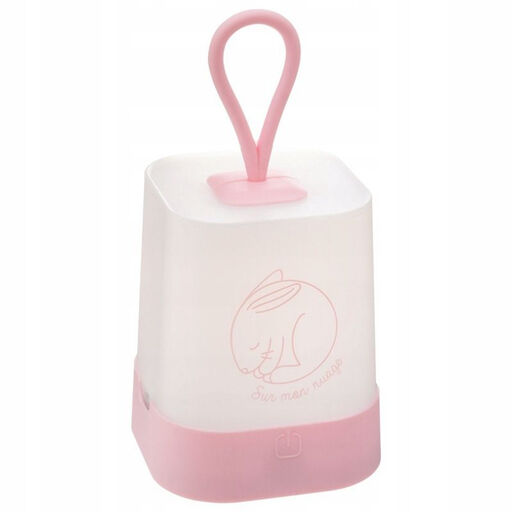
Why it suits this need: At 8 × 8 × 9.8 cm and 0.21 kg, this compact model is easy to move between the bedroom, child’s room and hallway.
The USB-rechargeable battery means you don’t have to rely on a fixed socket. Before buying, check that you have a suitable charger.
Rechargeable battery, USB cable and light weight for flexible use.
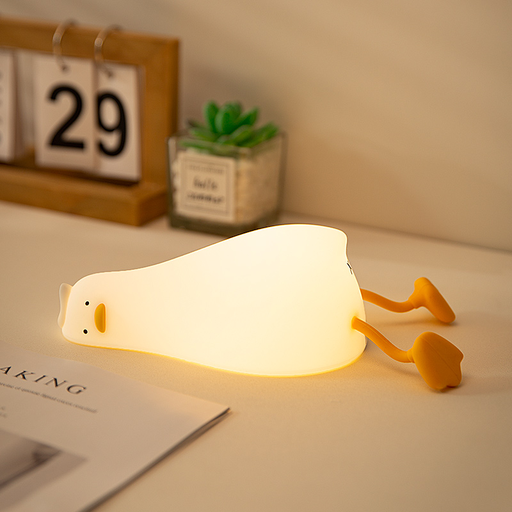
Why it suits this need: The soft silicone cover and decorative duck design will appeal to families who value both the materials and the look.
The 1,200 mAh battery capacity is clearly stated. The model should still be kept away from heat and fire, and must not be submerged in water.
Soft silicone, USB charging and cordless use beside the bed or on a chest of drawers.
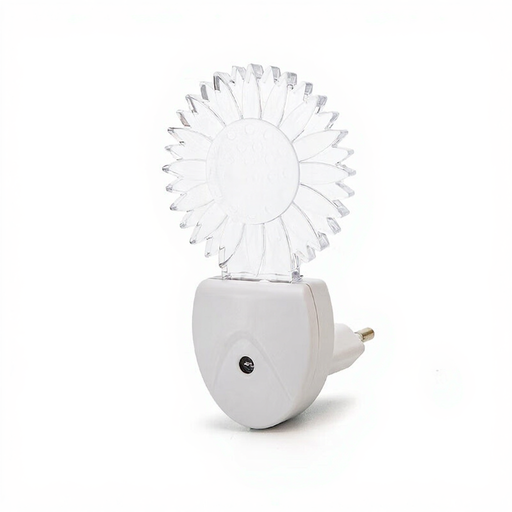
Why it suits this need: Automatic operation when the ambient light level drops is useful in a hallway, bedroom or nursery.
The dusk sensor switches the light on and off for you. Keep the sensor area clear; this product is designed for dry indoor use only.
230-volt plug, RGB colour-changing modes, 30 lumens and a maximum power consumption of 0.5 watts according to the product details.
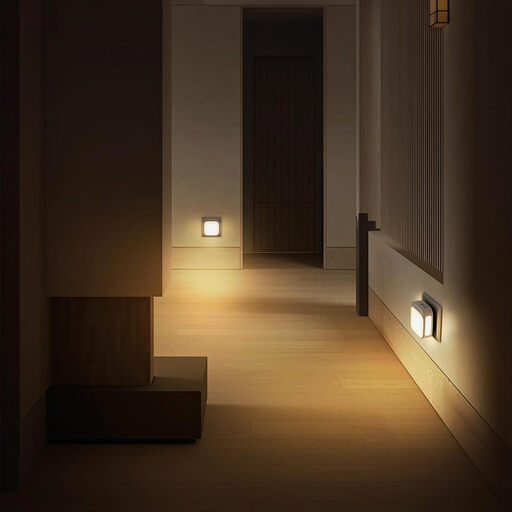
Why it suits this need: Two lights are ideal for households that want to illuminate a passageway and another room at the same time.
With a sensor, dimming and specific power consumption figures, you can tailor its operation to the location more easily than with a model that lacks technical details.
2-pack, 0.3 watts of power consumption, stepless dimming from 10–100 per cent and warm white light at 2,800–3,000 Kelvin.
We’ve put together a complete, regularly updated list of products that meet these strict selection criteria and fully comply with the safety regulations in force in the EU.
Power consumption depends on the wattage and how long the light is on. A model rated at 0.3 watts uses 0.3 kilowatt-hours over 1,000 hours of operation. A battery-powered model doesn’t draw power directly from the mains while it’s in use, but its battery will need regular charging.
A dusk sensor is useful in areas where you want the light to switch on automatically when it gets dark. A motion sensor is handy for short trips, such as along the hallway or to the bathroom. Check the detection range and avoid placing the light behind furniture or fabric.
Its lifespan depends on the LED components, battery, charging cycles and daily operating time. Plug-in models don’t need recharging, while rechargeable lights may lose battery capacity over time. Clean the device only as instructed, keep openings dry and replace it if the casing or cable is damaged.