
Lieferung heute & morgen

Qualitätsgarantie

Willkommens-Angebote freischalten: KOSTENLOSE Lieferung | Bis zu 80 % RABATT | Kostenlose 30-Tage-JoyPlus-Testphase
App herunterladen
A night serum can provide targeted support for your evening skincare routine. The choice ranges from hydrating formulas containing hyaluronic acid to products with retinol or retinal. However, this variety can make comparison difficult: glossy packaging says little about whether a product is genuinely suitable for your skin.
Three common shopping pitfalls in particular can lead to disappointing purchases:
For dry or dehydrated skin, formulas containing glycerin, panthenol, ceramides or hyaluronic acid may be suitable. A hydrating serum can be applied underneath a cream and supports a simple evening routine.
Retinol, retinal or other vitamin A derivatives are often used to target visible lines and uneven-looking skin. However, a retinol serum and a retinal serum contain different forms of the active ingredient. The information on the label should therefore be as specific as possible. For beginners, a low concentration, gradual introduction and clear usage instructions are practical selection criteria.
For oily, blemish-prone skin, niacinamide and Zinc PCA may be worth considering. However, a serum for blemishes should not be regarded as a medical treatment. If skin problems persist or become inflamed, it is advisable to seek medical advice.
A higher percentage does not automatically make a product more suitable for every skin type. The formulation, stabilisation and your individual tolerance are also important. With a retinoid product, it is generally advisable to:
Retinol and retinal can increase sensitivity to light. Daily sun protection in the morning is therefore an essential part of a responsible routine. Avoid the eye area, mucous membranes and irritated or damaged skin. Pregnant women, those trying to conceive and breastfeeding women should only use retinol and retinal products after consulting a medical professional.
The ingredients list on the packaging is authoritative, as formulations may be updated. Look out for:
For example, a Korean night serum may combine several groups of active ingredients. This can be convenient, but it also makes it more important to introduce the product gradually and carry out a tolerance test on a small area of skin.
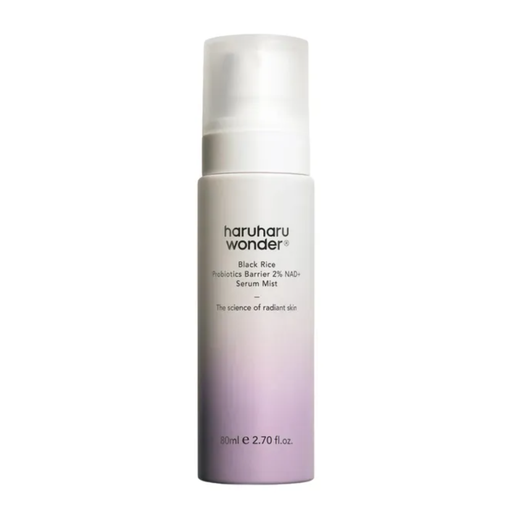
Why this product suits this profile: The combination of microencapsulated retinol at 0.08%, bakuchiol and Ceramide NP is designed to support a gradual introduction to vitamin A skincare. The product is initially recommended for use two or three times a week.
The specific retinol concentration and recommended gradual introduction make it easier to control dosage. According to the product description, the formula is free from alcohol, parfum, mineral oil, parabens and sulphates.
Microencapsulated retinol, bakuchiol, Ceramide NP and fermented black rice; vegan and free from added fragrance according to the product information.
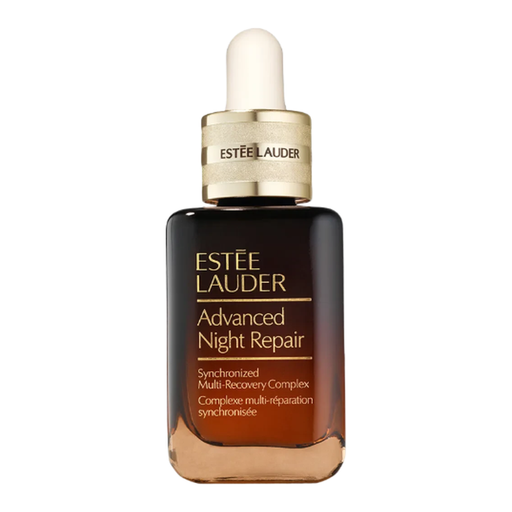
Why this product suits this profile: The oil-free serum texture can be used morning and evening. Ingredients such as Sodium Hyaluronate, Glycerin, Squalane and Acetyl Hexapeptide-8 appeal to shoppers looking to combine hydration with a multi-layered formula.
The published INCI list clearly shows the humectants, silicones, plant extracts and fragrances included. If you are sensitive to parfum, this is something to consider before buying.
30 ml size, fast-absorbing oil-free texture according to the product description, and several hydrating ingredients.
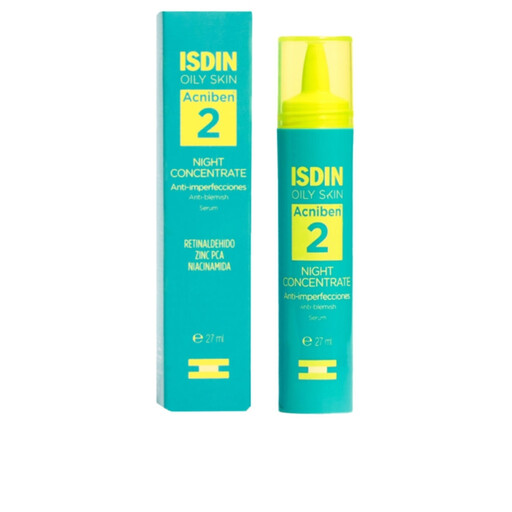
Why this product suits this profile: According to the product description, this night serum is formulated for oily and blemish-prone skin. Retinal, niacinamide and Zinc PCA are clearly listed among the ingredients.
The target audience is defined not only by a general anti-ageing claim, but also by skin type and intended use. Those with sensitive skin should check the fragrance, Citral and denatured alcohol before use.
27 ml content, retinaldehyde, niacinamide and Zinc PCA; designed for evening use on cleansed, dry skin.
We have put together a complete, regularly updated list of products that fully meet these strict selection criteria and the safety regulations applicable in the EU.
First, gently cleanse your face and apply the serum to dry skin, unless the product instructions advise otherwise. Follow with a cream, particularly when using a retinol serum or retinal serum. Do not use several potentially irritating active ingredients at the same time, such as retinoids and strong exfoliants, without first assessing how well your skin tolerates them.
Shelf life depends on the packaging, storage conditions, frequency of use and the PAO guidance. Keep the product closed, dry and protected from direct sunlight. If the colour, smell or consistency changes, stop using the product and check the information on the packaging.
For sensitive skin, a straightforward INCI list, a fragrance-free formula and a gradual introduction are advisable. Retinol and retinal should initially only be used occasionally. A patch test can provide additional insight into your individual tolerance.
That depends on the formula. A pure hyaluronic acid serum or a gentle hydrating serum is often designed for regular use. With retinol and retinal products, frequency should be adjusted according to the manufacturer’s instructions and your skin’s response.
The key factors are the PAO symbol, best-before date and information on the packaging. The shelf life after opening may vary from product to product. Storing the serum in a dry place away from light and closing it carefully can help preserve its quality throughout the stated period.