
Lieferung heute & morgen

Qualitätsgarantie

Willkommens-Angebote freischalten: KOSTENLOSE Lieferung | Bis zu 80 % RABATT | Kostenlose 30-Tage-JoyPlus-Testphase
App herunterladen
A NIVEA face cream should not be chosen solely based on its packaging, fragrance or eye-catching claims about its effects. Skin type, intended use, texture, sun protection and personal tolerance are all important. This applies equally to women and men with dry, normal, mature or combination skin.
Glycerin, plant oils, panthenol and hyaluronic acid can all be included in a moisturising product. However, a rich cream feels different on combination skin than a lightweight face cream. If you choose a texture that is too heavy, it may feel greasy or leave your skin looking shiny. On dry skin, by contrast, a very light lotion may not feel sufficiently comfortable.
A face cream with SPF can complement your daily skincare routine. However, the number shown on the product – for example SPF 15 or SPF 30 – does not describe the entire usage situation. The amount applied, reapplication, time spent outdoors and direct exposure to sunlight also play a role. For longer periods in the sun, a dedicated sunscreen should be considered.
A NIVEA anti-ageing cream, a Q10 face cream or a hyaluronic acid face cream may contain certain ingredients suited to the product’s positioning. However, this does not guarantee the same result for every skin type. Q10, Sodium Hyaluronate, Bakuchiol and Creatine are initially simply formulation details. Your choice should therefore be based on the complete INCI list, the texture and the instructions for use.
The description “for men” does not mean that women cannot use the formula. A NIVEA face cream for men is often positioned around its fragrance, packaging or use after shaving. What matters most is how it feels on your skin and how well you tolerate it.
A day moisturiser with SPF 15 or SPF 30 can be applied in the morning after cleansing. The products in this selection offer different protection factors. According to the product description, NIVEA Vital Soy Anti-Age Protective Day Care contains SPF 30; several NIVEA Q10 and Essentials day creams are listed with SPF 15.
A night moisturiser, on the other hand, generally does not contain stated UV protection and is intended for evening use. According to the product details, NIVEA Essentials +24h Moisturizing Night Cream is applied to the face, neck and décolleté.
The ingredients list uses the international INCI nomenclature. Substances such as Parfum, Limonene, Linalool and other fragrance ingredients that must be declared may be relevant for people with sensitive skin. Alcohol Denat. and certain oils may also be experienced differently depending on your skin.
Before applying the product over a larger area for the first time, a small patch test is recommended. Products are for external use only; avoid the eye area. If redness, itching or irritation occurs, stop using the product. If symptoms persist, seek medical advice.
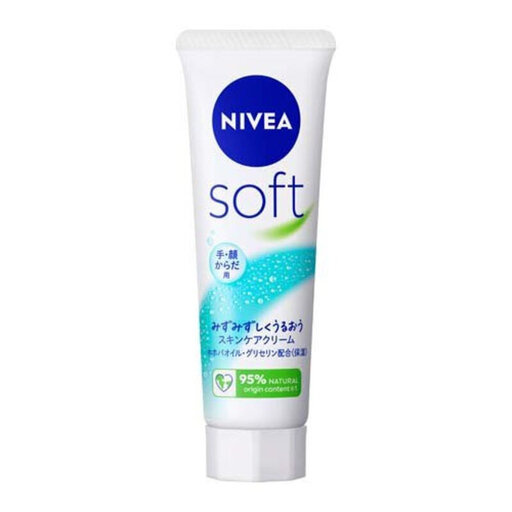
Why this product suits this profile: According to the product description, the lightweight, water-based texture is intended for the face, hands and body, making it suitable for a straightforward skincare routine.
The product description explicitly states that it has a lightweight, non-sticky texture. Even so, check the current packaging information before buying.
Glycerin and jojoba oil are listed in the INCI list, while the face, hands and body can all be cared for with a single product.
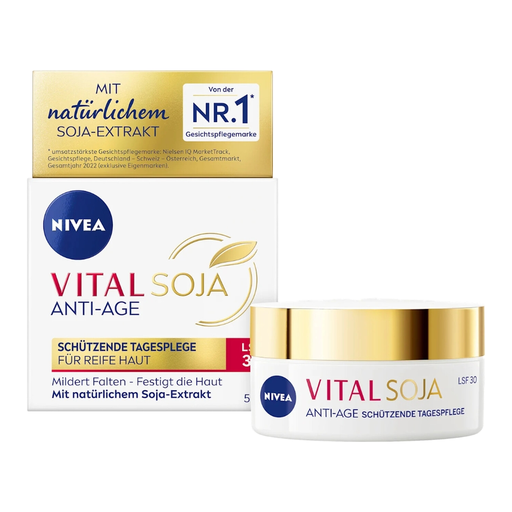
Why this product suits this profile: According to the product details, this day cream combines SPF 30 with natural soya extract and richer nourishment for mature skin.
The specific SPF value is clearly stated. This prevents a general “protection” claim from being confused with an unknown factor.
SPF 30, glycerin and soya extract are mentioned in the product information, while dermatologically tested tolerance is also stated.
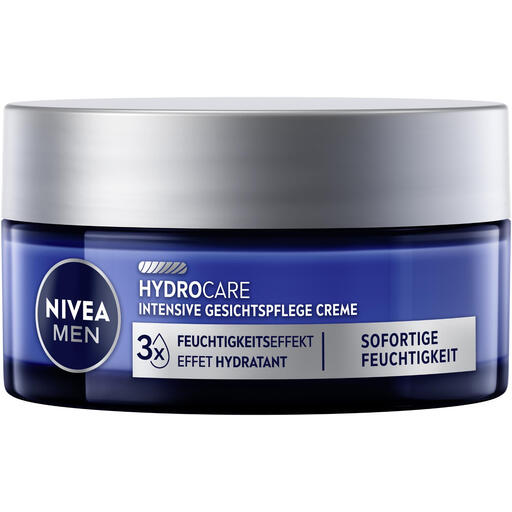
Why this product suits this profile: The formula is designed for normal skin and, according to the product description, is intended for daily use after cleansing or shaving.
Its use is not limited to general body care: the product specifically mentions the face, neck and use after shaving.
Aloe vera leaf juice powder and panthenol are listed, while the product description states that it absorbs quickly and provides up to 48 hours of hydration.
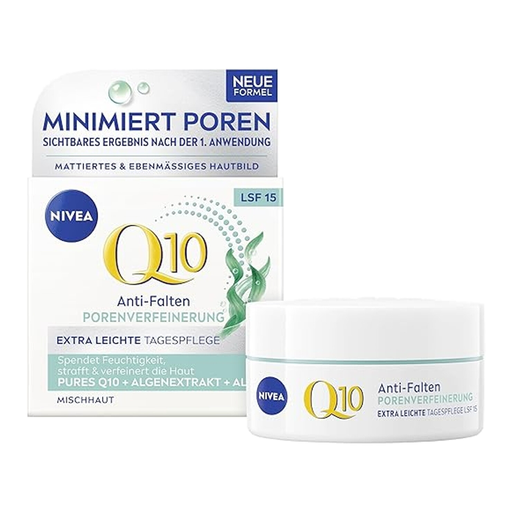
Why this product suits this profile: The product description identifies it as an extra-light day moisturiser for combination skin with SPF 15.
The texture is described not merely as moisturising, but specifically as extra light. The SPF 15 is also clearly stated.
Q10, aloe vera leaf juice powder and algae extract are mentioned in the product information; the product is intended for use on the face and neck.
We have put together a complete, regularly updated list of products that fully meet these strict selection criteria and the safety regulations applicable in the EU.
A NIVEA day cream is used in the morning after cleansing and may contain a stated SPF, depending on the product. A NIVEA night cream is intended for evening skincare and is often formulated to be richer. According to the product information, NIVEA Cellular Hyaluron + Elasticity Night Cream contains Sodium Hyaluronate, panthenol and a rich nourishing base.
For very dry areas on the hands, elbows or knees, a face cream may be impractically small or lightweight. According to the product description, NIVEA Skin Cream with squalane and jojoba oil is intended for the face and body. Before buying, however, check the country of origin, current INCI list and packaging information, as these may vary between batches.
For face cream for dry skin, richer formulas containing glycerin, shea butter, squalane or oils may be suitable. The right choice depends on your personal tolerance and the feel you want on your skin. A lightweight texture is not automatically sufficient, while a rich cream may feel too heavy on some skin types.
This depends on the individual product’s instructions for use. Day creams with SPF are intended for morning use, while night creams are applied in the evening. A cream without a stated SPF can generally fit into either a morning or evening routine, provided you follow the product information and take your individual tolerance into account.
The best-before date and the symbol indicating the period after opening can be found on the packaging. Check the fragrance, colour and consistency regularly. If the product changes or causes skin irritation, stop using it.