
Lieferung heute & morgen

Qualitätsgarantie

Willkommens-Angebote freischalten: KOSTENLOSE Lieferung | Bis zu 80 % RABATT | Kostenlose 30-Tage-JoyPlus-Testphase
App herunterladen
The search for foods with no added sugar can quickly feel like navigating a labyrinth of marketing claims. Many products advertised as "healthy" contain hidden sugars or alternative sweeteners with unwanted side effects upon closer inspection. As your Joybuy Product Recommendation Officer, I'll help you decode labels correctly and find products that genuinely fit into a low-sugar diet.
Before we look at specific recommendations, it's important to know two common pitfalls that often lead to mistaken purchases.
To avoid falling into these traps, you should focus on two key aspects: the ingredients list and the nutrition facts table.
The ingredients list is ordered by weight in descending order. If a type of sugar or sweetener appears near the top, its proportion in the product is correspondingly high. Look for terms ending in "-ose" (e.g., fructose, glucose, sucrose), as well as syrup and malt designations. This will help you identify foods with no added sugar that are low in sugar in reality, not just on paper.
The crucial value in the nutrition facts table is the "of which sugars" line under carbohydrates. This value indicates the total sugar content per 100 grams or 100 millilitres, regardless of whether it is added or naturally occurring. A low value here is a strong indicator of a genuinely low-sugar product. For products with sweeteners, you will often find a declaration for "polyols" (sugar alcohols). This information is relevant for assessing the potential impact on digestion.
To make your choice easier, we have put together some products for different user profiles.
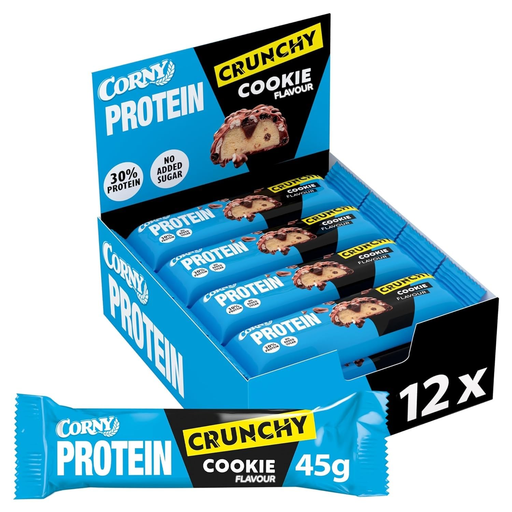
Why This Fits Their Persona: Ideal for individuals looking for a high-protein snack after a workout or between meals to support muscle recovery without increasing their sugar intake.
This protein bar with no added sugar uses sweeteners like maltitol and sucralose. The nutrition facts table transparently declares the sugar content, and the high protein level ensures long-lasting satiety.
High protein content of 30% to support muscle growth and maintenance. Convenient bar format for on-the-go consumption.
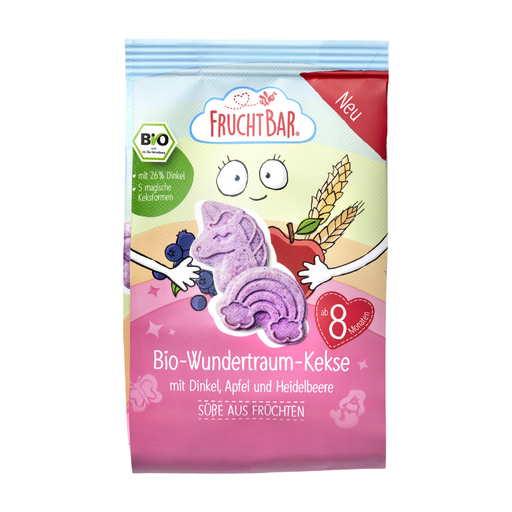
Why This Fits Their Persona: A great choice for parents seeking an alternative to conventional cookies. This baby food with no added sugar is suitable for children from 12 months and uses organic ingredients.
The product avoids refined sugar, using apple juice concentrate for sweetness instead. This is a clear example of the "no added sugar" label, as it contains natural fruit sugar (13g per 100g), which is a conscious choice for many parents.
Sweetened exclusively with fruit. Ingredients from organic farming. Free from artificial additives.

Why This Fits Their Persona: For anyone who doesn't want to give up the pleasure of high-quality chocolate but wants to maintain a sugar-free diet. This chocolate with no added sugar offers an intense flavour experience.
Instead of sugar, the sweetener maltitol is used. The nutrition facts table shows an extremely low sugar content of just 1.0g per 100g, highlighting the product's transparency.
Intense cocoa flavour from a cocoa content of at least 55%. Gluten-free recipe.
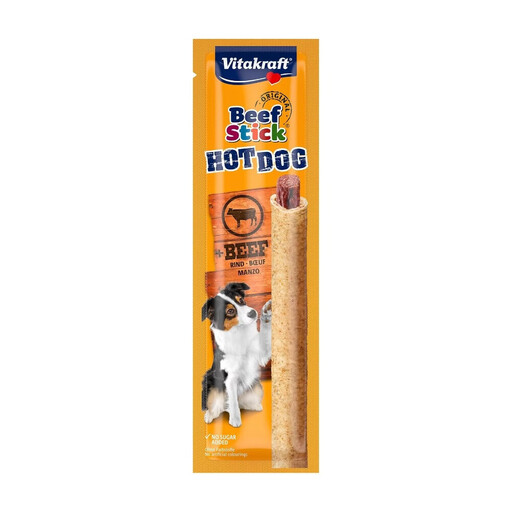
Why This Fits Their Persona: A reward for their four-legged friend that tastes great while avoiding unnecessary sugar. This sugar-free dog treat is a conscious choice for the pet's health.
The recipe explicitly avoids added sugar and artificial colourings. The ingredients list is clear and tailored to the needs of dogs, with no hidden sweeteners.
No added sugar formulation. Enriched with essential vitamins. Individually wrapped for freshness and easy portioning.
We have compiled a complete, up-to-date list of products that fully meet these strict selection criteria.
The claim "no added sugar" means that no mono- or disaccharides (simple or double sugars) or other foods with a sweetening effect (like honey or syrup) have been added to the product. However, it can still contain naturally occurring sugar. "Sugar-free" is a stricter label and means the product contains no more than 0.5g of sugar per 100g or 100ml.
Sweeteners and sugar substitutes like maltitol, xylitol, or erythritol make it possible to produce sugar-free sweets and sugar-free snacks that still taste sweet. They have fewer calories than sugar and affect blood sugar levels to a lesser extent. However, as mentioned, they can lead to digestive issues if consumed excessively. Individual tolerance is the key factor here.
Yes. A product with no added sugar can still be rich in fat or complex carbohydrates and thus have a high calorie density. A look at the total calorie count (kcal/kJ) in the nutrition facts table is therefore always advisable if you are watching your weight. A conscious diet is based on a balanced overall intake of nutrients.