What should you look for when buying?
Plain oat base
A good choice if: You want to choose the sweetness and seasoning yourself, or make savoury porridge.
The trade-off: You’re in charge of the flavour and preparation. Even with a plain mix, check the ingredients and allergen information on the specific pack.
Fruit porridge
A good choice if: You’re looking for a ready-made mix with a fruit flavour.
The trade-off: Fruit can contribute to the stated sugar content even when no sugar has been added. The fruit flavour may not work well in a savoury dish.
Protein porridge
A good choice if: The protein content of a ready-made mix matters to you.
The trade-off: The protein content doesn’t tell you whether sugar has been added or which allergens the mix contains.
For porridge served as part of a savoury meatball dinner, start by deciding which flavour you want. Then use the ingredients, nutrition information and allergen advice to choose the right mix.
| Criteria |
What to check |
Who is it important to? |
| Sugar content |
Compare the ingredients and ‘of which sugars’ per 100 g; check for sweeteners and sugar substitutes if relevant. |
If I want to avoid added sugar, I also want to know how much sugar the mix contains overall. Around 36% of consumers would put this check first. |
| Savoury use |
Check for fruit ingredients and the rest of the recipe before making a mix savoury. |
For my meatball dinner, I want to choose the seasoning myself rather than use a ready-made fruit mix. Around 29% of consumers would prioritise this versatility. |
| Diet and allergens |
Check the specific product for vegan labelling, types of grain, nuts and ‘may contain’ statements. |
If I avoid animal ingredients or need to watch out for certain allergens, the label on that specific recipe matters to me. Around 21% of consumers would see this as a priority. |
| Protein and preparation |
Check the protein per 100 g, ingredients and preparation instructions for the protein mix. |
I’m mainly looking for a ready-made mix with a protein content that suits my needs. Around 14% of consumers would prioritise this. |
Oat products for a base you can season yourself
This selection includes fine oat flakes and wholegrain oat groats, so you can choose the flavour and seasoning yourself. Check the ingredients, nutrition information and allergen advice on each pack to make sure it meets your needs.
 No image available
Alnatura organic fine oat flakes, 500 g
For porridge you can season just the way you like.
Fine organic oat flakes; pack size: 500 g.
View at Joybuy
 No image available
Alnatura organic fine oat flakes, 400 g
For a seasoned-to-taste oat base if you prefer the 400 g pack.
Fine organic oat flakes; pack size: 400 g.
View at Joybuy
 No image available
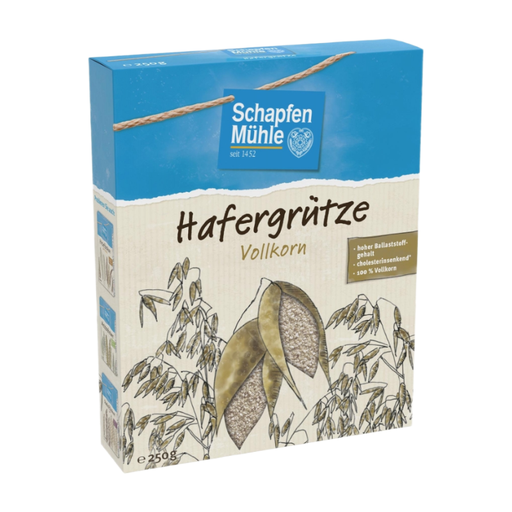
Schapfenmühle wholegrain oat groats, 250 g
For a seasoned-to-taste oat dish if you’d rather use oat groats than fine flakes.
Wholegrain oat groats; pack size: 250 g. Follow the preparation instructions on the pack.
View at Joybuy
Frequently asked questions
Does ‘no added sugar’ mean ‘sugar-free’ for porridge?
No. Under EU rules on nutrition claims, ‘no added sugar’ refers to added sugars and foods used for their sweetening properties; naturally occurring sugars may still be present. Lebensmittelklarheit also points out that sweeteners and sugar substitutes may be used. So check the ingredients and sugar content per 100 g too.
Why can fruit porridge contain sugar if no sugar has been added?
Fruit ingredients contain naturally occurring sugars, which appear as sugars in the nutrition information. Seitenbacher says its fruit porridge contains 35% fruit and also describes it as having no added sugar. When comparing it with a plain base, check the sugar content per 100 g.
Which porridge is best for a savoury meatball dinner?
A plain-tasting oat base gives you more freedom to season it savourily than a ready-made fruit mix. Before buying, decide whether you want to prepare fine flakes or oat groats, and follow the preparation instructions for the product you choose.
Is oat porridge always nut-free or gluten-free?
No, you can’t tell from the product category alone. Kölln lists hazelnuts in its Hafer-Porridge Nuss. Bauck Hot Hafer Bio Protein Porridge, listed by REWE, may contain traces of other gluten-containing grains and nuts. If you have relevant dietary restrictions, check the label on the specific pack.
Can I make porridge with water instead of milk?
You can with recipes that are suitable for it; follow the instructions on the pack. Seitenbacher describes preparation with water and notes that the porridge may be less creamy and less full of flavour as a result.


