
Lieferung heute & morgen

Qualitätsgarantie

Willkommens-Angebote freischalten: KOSTENLOSE Lieferung | Bis zu 80 % RABATT | Kostenlose 30-Tage-JoyPlus-Testphase
App herunterladen
As a renter or homeowner looking to avoid unsightly drill holes in window frames or walls, a no-drill roller blind is a go-to solution. However, the market is flooded with products whose quality and functionality vary dramatically. Before you make a decision, it's crucial to understand the typical pitfalls that often lead to disappointment and unnecessary expense.
Many buyers report three central problems:
This guide will help you bypass these mistakes and make an informed choice that precisely meets your needs for privacy and sun protection.
To make the right choice, don't be swayed by marketing promises. Instead, focus on three core technical parameters. These will determine the fit, functionality, and longevity of your new blind.
Drill-free installation relies mainly on two systems. The choice depends on your window type and personal preferences.
The fabric's description indicates its light-filtering properties. The differences here are crucial:
This is the most critical point for achieving gap-free coverage. Remember this rule:
The order width always refers to the total width of the blind, including the side-mounted fittings. The fabric width is, by design, always narrower (typically by about 4 cm).
How to measure correctly:
Here are some product recommendations tailored to specific user profiles that account for the pitfalls mentioned.
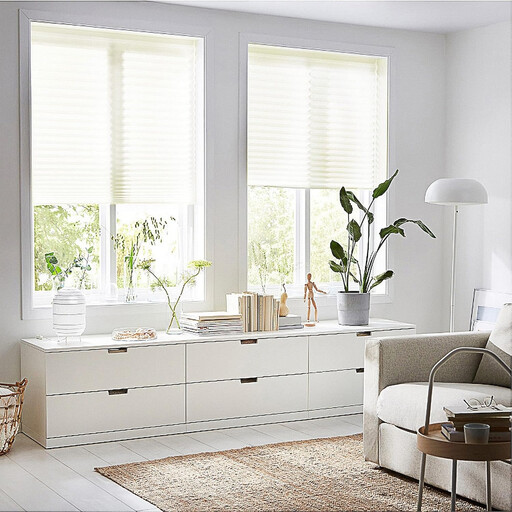
Why This Fits Their Persona: Ideal for students or renters looking for a straightforward, budget-friendly solution for standard windows. The pleated design offers flexible privacy and can be adjusted from both the top and bottom.
The dual mounting system (clamp and adhesive) accommodates various window types, bypassing the issue of ill-fitting clamp brackets. The fabric, described as "opaque," provides solid privacy for living spaces.
Extremely simple, tool-free installation. The blind can be positioned flexibly on the window to control light exposure based on the sun's position.
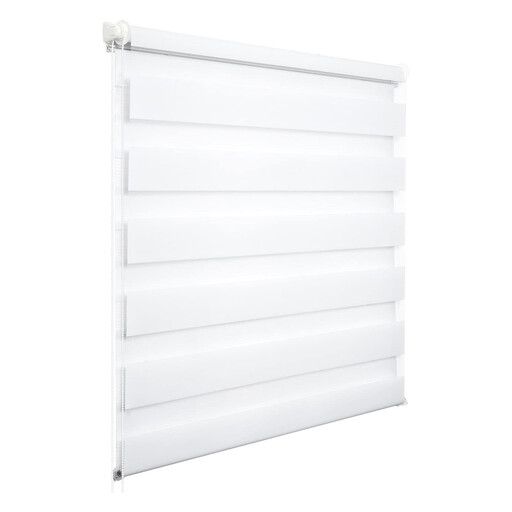
Why This Fits Their Persona: Perfect for users in living rooms or home offices who want a modern look and full control over light and privacy, without having to choose between bright and dark.
The clear distinction between transparent and opaque stripes prevents disappointment from misleading fabric claims. Its seamless adjustability offers a tailored solution, not a compromise.
Infinitely variable light control via the chain mechanism. The clamp brackets are designed for a wide range of window frame thicknesses (13-23 mm).

Why This Fits Their Persona: For anyone needing absolute darkness in a bedroom or nursery. The added thermal function is a practical bonus for regulating room temperature.
The silver-coated backing ensures reliable blackout performance, countering the problem of misleading "blackout" labels. The clear measuring guide helps prevent light gaps.
Offers blackout and thermal insulation in one product. The cordless design enhances safety in homes with children and pets.
We've compiled a complete, up-to-date list of products that fully meet these strict selection criteria and safety regulations.
Measure the width of the glass pane. Add a total of approx. 4 cm to this measurement to get the optimal order width. This ensures the fabric slightly overlaps the pane on both sides, minimizing side light gaps. Make sure the blind does not interfere with the window handle. The height usually corresponds to the height of the entire window sash.
When installed correctly, clamp-on systems are very stable and designed for long-term use. It is important that the clamp brackets sit firmly and straight on the window sash and are suitable for its thickness. With adhesive systems, thoroughly cleaning the surface before application is crucial for durability.
This is possible but requires special attention. Wooden windows often have different frame profiles and thicknesses than uPVC windows. Check the maximum sash thickness specified by the manufacturer for the clamp bracket. If the frame is too thick, too thin, or heavily rounded, adhesive mounting is often the better alternative.