
Lieferung heute & morgen

Qualitätsgarantie

Willkommens-Angebote freischalten: KOSTENLOSE Lieferung | Bis zu 80 % RABATT | Kostenlose 30-Tage-JoyPlus-Testphase
App herunterladen
By Joybuy Product Recommendation Officer, August 30, 2026
Finding the right privacy and sun protection for your home can quickly become complicated, especially in rental properties where drilling holes in walls or window frames is often prohibited. A no-drill roller blind seems like the ideal solution. However, the market is flooded with products of widely varying quality. Before you make a decision, it's crucial to understand the common pitfalls that can lead to a purchase you'll regret.
Many buyers report three central problems:
This guide will help you navigate these issues and make an informed choice that meets your needs for both function and durability.
To find a suitable and long-lasting product, you should carefully examine three technical features. These are the primary determinants of your new blind's functionality and fit.
The most common method for a no-drill window blind is the clamp-on blind, also known as a Klemmfix system. This involves attaching adjustable brackets directly onto the window sash.
The fabric determines the function of your roller blind. There are clear distinctions here:
To minimise annoying light gaps at the sides, getting the measurements right is crucial. Note the difference between the order width and the fabric width:
Measurement Recommendation: Measure the width of the glass pane and add about 2 cm on each side to ensure a good overlap. The resulting width should be your order width. Make sure the blind does not interfere with the window handle.
Based on the quality criteria mentioned, we have identified several products that offer a suitable solution for various needs and living situations.
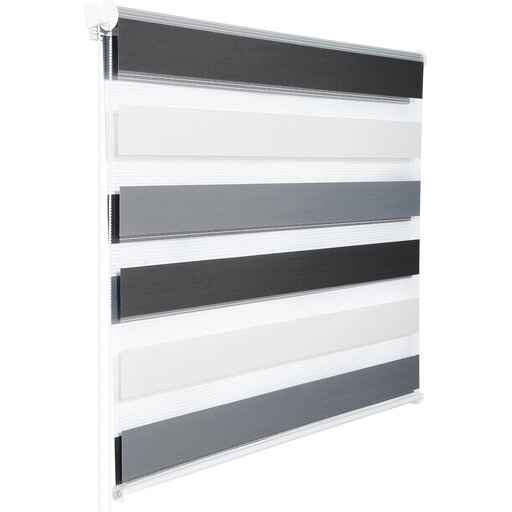
Why This Fits Their Persona: Ideal for renters seeking a functional and stylish solution without damaging the window frame. The zebra blind design allows for flexible adjustment of light and privacy for living rooms or home offices.
The adjustable clamp brackets are designed for common window frame thicknesses and provide a stable hold. The clear measurement instructions help prevent inadequate coverage.
Infinitely variable light control via alternating transparent and opaque stripes; simple, drill-free installation.

Why This Fits Their Persona: For users who value energy efficiency and room climate control in addition to privacy. The honeycomb structure provides enhanced thermal and sound insulation.
The thermal function isn't just an empty marketing phrase here; it's achieved through the physical properties of the honeycomb structure, which traps air to act as an insulating layer.
Effective blackout, thermal, and sound insulation; infinitely adjustable from both top and bottom for flexible light conditions.
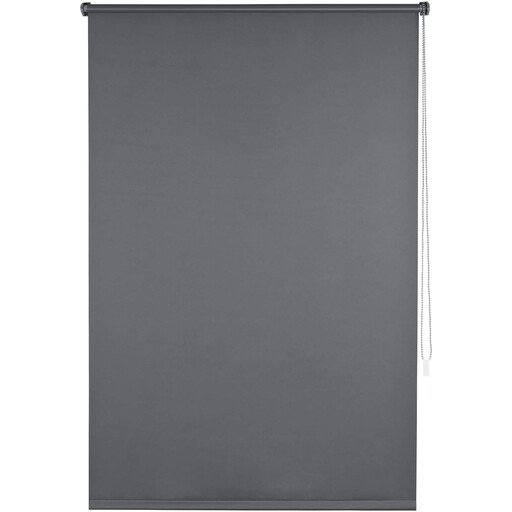
Why This Fits Their Persona: Perfect for bedrooms or home cinemas where near-total darkness is desired. The robust construction and special coating are designed for maximum light-blocking performance.
This blind relies on a verifiable technical solution: the aluminium coating on the back physically reflects light and heat, rather than just depending on the fabric's density.
Near 100% blackout effect thanks to the special coating; contributes to the room's thermal insulation.
We have compiled a complete, up-to-date list of products that fully meet these strict selection criteria and German safety regulations.
Measure the width of the window pane (glass width). For good coverage and to minimise side light gaps, the order width of the blind should exceed the glass width by about 4 cm in total (2 cm on each side). The height should correspond to the height of the entire window sash. Check if the window handle could obstruct the blind's operation.
Yes, with correct installation and a compatible frame thickness, high-quality clip-on systems offer a very reliable hold. It is important that the clamp brackets are attached firmly to the window sash according to the instructions. They are designed for daily use and can withstand the normal opening and tilting of the window.
A dual roller blind (or zebra blind) consists of two parallel fabric panels with alternating transparent and opaque stripes for flexible light control. A pleated blind consists of a single, folded piece of fabric. It is often appreciated for its delicate appearance and the ability to be moved from top to bottom as well as bottom to top, allowing for very flexible positioning of the privacy screen. A honeycomb pleated blind also offers improved insulation due to its double-layered honeycomb structure.