
Lieferung heute & morgen

Qualitätsgarantie

Willkommens-Angebote freischalten: KOSTENLOSE Lieferung | Bis zu 80 % RABATT | Kostenlose 30-Tage-JoyPlus-Testphase
App herunterladen
As a tenant, you're likely familiar with the dilemma: you need effective privacy or sun protection, but drilling into the window frames is not an option. Or perhaps you're a homeowner looking for a hassle-free and quick installation solution that requires no tools. A no-drill roller blind is a practical and damage-free alternative for these situations. These systems are simply clamped or glued to the window sash and can be removed without a trace when you move.
This article introduces various types of drill-free blinds, provides useful tips for making your selection, and presents a range of models suited for different requirements.
Before you decide on a model, a few considerations are important to find the perfect solution for your window.
The most common mounting type is the clamp-fit roller blind. However, this term covers several different designs:
Consider the primary purpose the blind should serve.
Clamp-fit installation is simple but requires precise measurements. Measure the width of the glass pane and add about 2 cm on each side to prevent light gaps. The order width should therefore be approximately 4 cm wider than the glass pane. Make sure the blind does not interfere with the window handle. The height of the blind should be at least the height of the entire window sash. Also, check the thickness of your window frame, as the clamp brackets are only designed for specific thicknesses (e.g., 13–23 mm).
Here you will find a selection of products that meet different functional and design requirements.
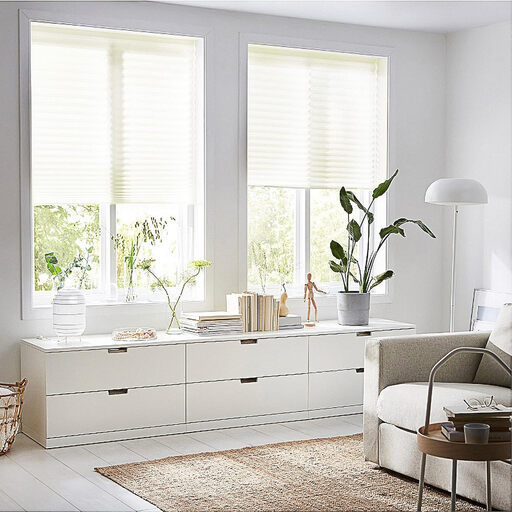
What makes it stand out: This no-drill pleated blind is distinguished by its flexible and easy handling. Thanks to the control handle, it can be positioned seamlessly from the top and bottom, allowing for precise control over light and privacy. The woven polyester fabric gently filters light without completely darkening the room.
Advantages:
Who it's for: Ideal for users who need flexible privacy in living rooms, studies, or kitchens without sacrificing natural daylight.
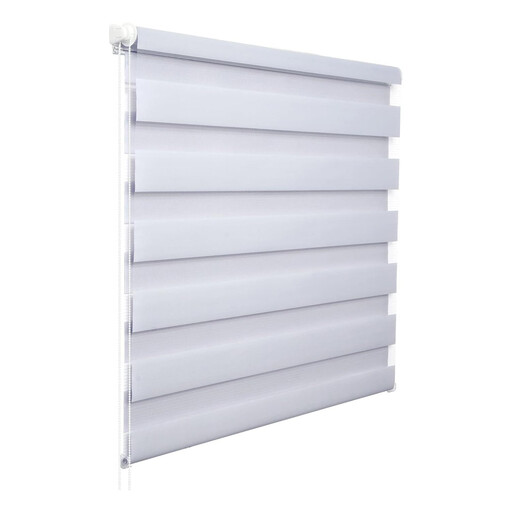
What makes it stand out: The no-drill zebra blind from WOLTU offers seamless light regulation with its alternating transparent and opaque fabric panels. A simple pull of the chain allows you to switch between privacy, dimmed light, and near-total transparency. Installation is tool-free using clamp brackets.
Advantages:
Who it's for: Perfect for offices, living rooms, or dining rooms where lighting conditions need to be adjusted depending on the time of day and activity. A great choice for anyone looking for more than just an "open-or-closed" function.
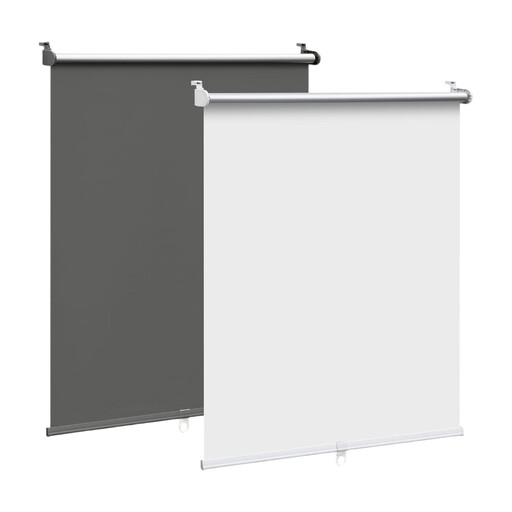
What makes it stand out: This clamp-fit thermal blind combines effective blackout capabilities with thermal properties. According to the manufacturer, the silver-coated backing blocks 100% of light and helps regulate room temperature. The cordless design with a handle at the bottom ensures a clean look and enhanced safety in households with children.
Advantages:
Who it's for: An excellent choice for bedrooms, children's rooms, or home cinemas where maximum blackout and a stable room temperature are desired. The cordless operation makes it particularly attractive for families.
The models presented here cover common use cases. However, if you are looking for other sizes, colours, or special designs like a no-drill Venetian blind, there is a wider selection to explore.
? Discover more models in our Interior Door Blinds category
1. How well do clamp-fit blinds hold? When installed correctly on a suitable window frame (observing the specified frame thickness), clamp-fit systems are very stable. They can easily withstand the normal opening and tilting of the window. It is important to attach the brackets firmly and straight on the frame.
2. What is the difference between a roller blind and a pleated blind? The main difference lies in how the fabric is gathered. With a roller blind, the smooth fabric panel is rolled onto a tube. With a pleated blind, the fabric is folded into pleats and collapses like an accordion. Pleated blinds often offer more flexibility in positioning, as they are frequently adjustable from both the top and bottom.
3. Can you shorten a no-drill blind? It is generally not recommended to shorten the width of blinds yourself. An improper cut can cause the fabric to fray and damage the mechanism inside the tube. It is advisable to order the correct width from the start to ensure flawless function and appearance.