
Lieferung heute & morgen

Qualitätsgarantie

Willkommens-Angebote freischalten: KOSTENLOSE Lieferung | Bis zu 80 % RABATT | Kostenlose 30-Tage-JoyPlus-Testphase
App herunterladen
A no-drill clamp-on roller blind promises a quick and easy solution for privacy and sun protection without damaging your window frames. This is an especially attractive option in rental properties. However, the market is crowded, and not every product lives up to its claims. Before you make a decision, it's crucial to understand the most common pitfalls that can lead to a bad purchase.
This guide will show you what to look for to find a durable, perfectly fitting roller blind.
Many buyers focus on colour and price, overlooking critical technical details. These three mistakes are particularly common:
To avoid the mistakes mentioned above, you should check three core parameters before purchasing. These will help you objectively evaluate a product's functionality and fit.
Getting the size right is fundamental. When making your selection, always remember that the fabric width is typically 3 to 5 cm narrower than the specified order width. The order width includes the entire assembly, including the side mounting brackets.
How to Measure:
Different models are suitable depending on your needs for light control and privacy.
Check the manufacturer's specified permissible frame thickness for the window sash. Most clamp brackets are designed for uPVC windows with a frame thickness of 1.3 to 2.3 cm. These systems are generally not suitable for skylights or certain types of wooden windows. A stable attachment is the foundation for safe and long-lasting use.
Based on the criteria mentioned, we have compiled a few products for different user profiles.
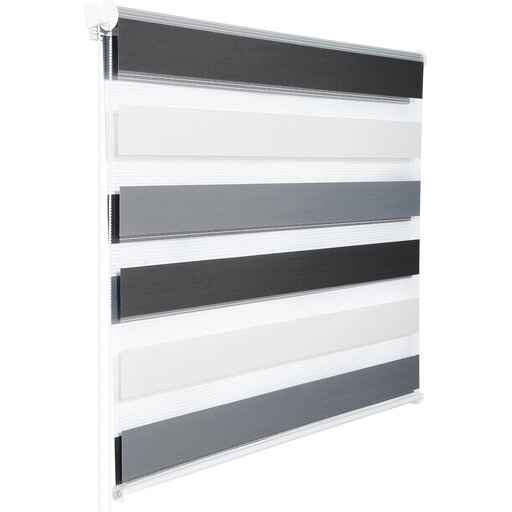
Why This Fits Their Persona: Ideal for renters seeking flexible light control for living rooms or home offices. The no-drill installation protects window frames, and the modern colour scheme in white, grey, and anthracite blind complements many interior styles.
The zebra structure of the dual roller blind provides clear, variable light regulation, thus avoiding the ambiguous functionality of a simple privacy blind.
Stepless adjustment of light and privacy through alternately woven fabric panels. Installation is possible via clamp brackets or drilling.
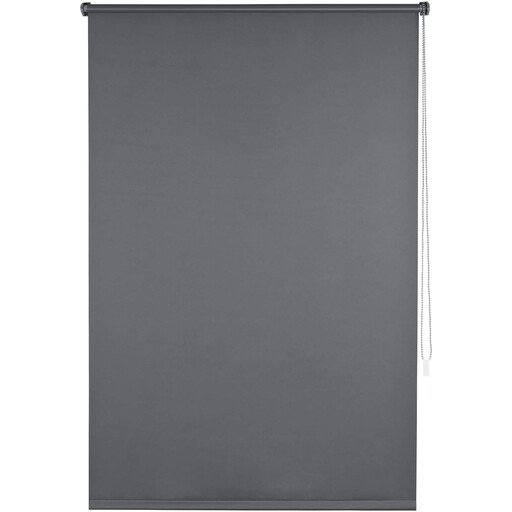
Why This Fits Their Persona: Perfect for bedrooms or home cinemas where maximum darkness is desired. The thermal function also helps regulate room temperature, further enhancing sleep comfort.
This blind bypasses the trap of misleading blackout claims with a special aluminium coating on the back that, according to the manufacturer, blocks nearly 100% of light.
Effective light-blocking and thermal insulation. The clamp brackets are designed for a common window frame thickness of 1–2 cm.
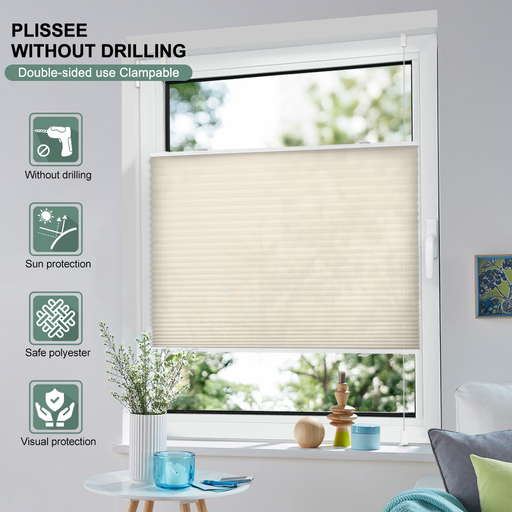
Why This Fits Their Persona: For anyone looking for a more delicate alternative to classic no-drill blinds. The pleated structure gives a light, modern feel and offers flexible adjustment options for privacy.
The clamp-on system is designed for tool-free installation, avoiding the risk of unstable or ill-fitting brackets, as long as the frame thickness is respected.
Opaque fabric for good privacy while still allowing light to filter through. The folding mechanism allows for precise height adjustment.
1. How do I measure correctly for a no-drill clamp-on blind? Measure the width of the glass pane and add a total of about 4 cm to ensure good coverage. The height corresponds to the height of the entire window sash. Compare your result with the manufacturer's specifications for the order width and note the information about the narrower fabric width.
2. Can a clamp-on blind really be removed without leaving any residue? Yes, that is the main advantage of this system. The clamp brackets are clipped onto the window sash and leave no holes or adhesive residue after removal. This is an ideal feature, especially for rental properties.
3. What is the difference between a dual roller blind and a blackout roller blind? A no-drill dual roller blind is primarily for flexible control of light incidence, using two parallel fabric panels with different transparencies. A blackout roller blind has the main goal of making a room as dark as possible. This is achieved with a completely opaque fabric that often has an additional light-blocking coating on the back.