
Lieferung heute & morgen

Qualitätsgarantie

Willkommens-Angebote freischalten: KOSTENLOSE Lieferung | Bis zu 80 % RABATT | Kostenlose 30-Tage-JoyPlus-Testphase
App herunterladen
A no-drill clip-on day and night blind is a practical choice for rented homes, frequently changing interiors or delicate window frames. It attaches to the window sash using clip-on brackets, while the chain moves the alternating fabric stripes against one another. This creates a zebra blind that can be adjusted between light-filtering, semi-transparent and opaque.
Despite the simple design, a few common buying mistakes can lead to disappointment. So it’s not just colour and price that matter: check frame compatibility, the size you need to order and how much light the blind actually blocks.
On many day and night blinds, the fabric is narrower than the stated overall width. For the WOLTU models mentioned here, the difference is around 4 to 5 cm, depending on the version. If you only take the visible fabric width into account, you may not get enough privacy at the sides.
As a general guide, product details often recommend that you:
Always follow the specific measuring instructions for your chosen model.
The alternating transparent and opaque stripes regulate how much light comes in. In a certain position, they can screen the room significantly, but light may still enter at the sides or between the fabric and the window frame. So a light-filtering blackout blind isn’t the same as a blackout system that seals all the way around.
For bedrooms where you want to keep out as much light as possible, a separate opaque blind may be a better choice. For living rooms, kitchens, offices and bathrooms, the flexible light control of a day and night blind is often enough.
Most of the models in this selection are designed for frame thicknesses of 13 to 23 mm. Some versions specify a narrower range of 13 to 20 mm. They aren’t suitable for roof windows or wooden windows, and depending on the model, they may also be unsuitable for sliding windows, fixed-glazed units or certain tilt windows.
Before you buy, check:
A clip-on blind attaches to the window sash without drilling holes. This makes it a good option for rented homes and means it’s easier to remove later. Many of the models listed also include screws for fitting to a wall, ceiling or window.
However, a no-drill fitting will only be secure if the frame thickness and mounting position are suitable. Tighten the clip-on brackets as instructed and check that the blind is secure before using it.
A day and night blind is made from two layers of fabric that move against one another. A chain-operated day and night blind can be adjusted in small increments. Depending on the position, you can let in more daylight, reduce the view in or create a more closed surface.
Also look for:
Fit the chain as shown in the instructions and keep it out of children’s reach.
Many models are made from 100% polyester. The material holds its shape and, depending on the product, can be cleaned with a soft cloth, soft brush or slightly damp cloth. Harsh cleaning products, machine washing and vigorous rubbing are generally not recommended.
For kitchens and bathrooms, check whether the specific product is explicitly suitable for humid rooms. Suitability for humid rooms doesn’t replace the need for adequate ventilation.
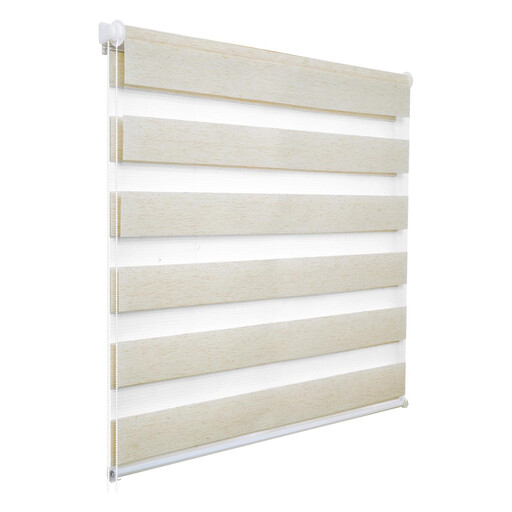
Why this product suits these needs: At 120 cm wide, it’s suitable for larger standard windows, while the clip-on fitting means no drilling is needed. The wood-effect finish works well in living rooms and home offices.
The product details state that it’s suitable for frame thicknesses of 1.3 to 2 cm and that the fabric is around 4 cm narrower than the ordered width.
100% polyester, chain operation, wipe-clean surface and child safety device included.

Why this product suits these needs: This compact version is designed for smaller windows and doors. The product description says the chain can be fitted on the left or right and that screw fitting is also an option.
The product details clearly state that it’s compatible with frames from 13 to 23 mm thick and recommend choosing a blind around 4 cm wider than the glass.
Polyester fabric, child safety device, weighted bottom rail and easy care with a damp cloth or soft brush.
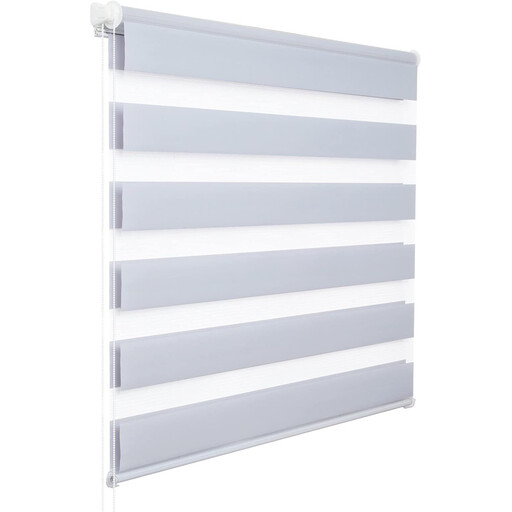
Why this product suits these needs: At 220 cm high, it’s a good option for tall windows, balcony doors and patio doors. It’s designed for use in a range of living and working spaces.
The product details specify that it isn’t suitable for roof windows or wooden windows and clearly state the compatible frame thickness of 13 to 23 mm.
Tall design, chain can be fitted on the left or right, wipe-clean polyester and optional screw fitting.
We’ve put together a complete, regularly updated list of products that meet these strict selection criteria and fully comply with the safety regulations in force in the EU.
To keep the blind operating smoothly over time, don’t pull it past its intended stop. Remove dust with a soft brush or dry cloth. For wipe-clean versions, a slightly damp cloth is all you need.
Fit the chain using the safety device provided and keep it away from children and pets. After fitting, check that:
Measure the visible width of the glass and the height of the entire window frame. For many models, you should add around 4 cm to the glass width. Also check the stated fabric width, as it may be narrower than the overall width. The manufacturer’s specific instructions take precedence.
Its lifespan depends on how it’s fitted and used, how much sunlight it gets and how well it’s cared for. Securely fitted brackets, gentle operation of the chain and cleaning with suitable tools can reduce wear to the mechanism and fabric. It isn’t possible to give a reliable lifespan that applies to every model.
No. A manually operated day and night blind with a chain doesn’t need electricity and has no ongoing energy costs. The practical upkeep is limited to fitting, occasional cleaning and, if necessary, replacing a worn part.