
Lieferung heute & morgen

Qualitätsgarantie

Willkommens-Angebote freischalten: KOSTENLOSE Lieferung | Bis zu 80 % RABATT | Kostenlose 30-Tage-JoyPlus-Testphase
App herunterladen
A no-drill day and night blind can quickly provide privacy and shade for windows and doors. For rented homes, fitting it without screws is especially handy. However, unclear measurements, unsuitable window frames and misleading terms such as ‘opaque’ can often lead to the wrong purchase.
This buying guide explains which technical details to check before buying a day and night blind, double-layer blind or zebra blind, and which styles suit different homes.
Clamp brackets attach directly to the window sash. The frame must be within the thickness range specified by the manufacturer. For many WOLTU models, the suitable range is 13 to 23 mm or 1.3 to 2 cm. If the frame is narrower, thicker or has a different construction, the brackets may not fit securely.
Not every window is suitable for a clamp-fit blind. The models mentioned are not suitable for roof windows, wooden windows, sliding windows, fixed glazing or certain tilt windows. Check your window type before placing an order.
Because of its construction, the fabric on a day and night blind is approximately 4 to 5 cm narrower than the stated overall width. If you order a blind based only on the width of the glass, it may not provide enough privacy or shade at the sides.
As a guide, for the models featured here:
For example, if the glass is 56 cm wide, an order width of around 60 cm may be suitable. Always make your final choice based on the specific product details.
A zebra blind is made of alternating light-filtering and opaque fabric stripes. The chain mechanism moves the stripes against one another, allowing you to adjust the light from more filtered to more shaded.
This gives you flexible privacy, but it may not replace a blackout curtain. Light can still enter at the sides and between the fabric and the window. For bedrooms or rooms in direct sunlight, check whether a light-filtering blind will be enough or whether you need additional blackout coverage.
A size of W120 x H120 cm, for example, may suit larger windows. But the overall width is not the only thing to consider: check the actual fabric width and the position of the window handle too. Longer versions, such as H150 cm or H220 cm, may be more suitable for doors and patio doors.
For clamp-fit installation, the window sash should also be free from any obstructive seal in the fitting area, if this is specified in the product description. If you prefer a permanent fitting, many versions can also be installed using screws and the supplied fittings.
A chain-operated blind lets you adjust the stripes in stages. Depending on the model, you can fit the chain on the left or right. This is useful for windows next to furniture or patio doors that are used frequently.
Easy-care materials are a good choice for kitchens and bathrooms. The versions mentioned are made from 100% polyester and can be cleaned with a soft brush or a slightly damp cloth, depending on the model. Avoid harsh cleaning products, machine washing and vigorous rubbing.
An operating chain can pose a risk of strangulation or entanglement. Secure it using the supplied safety device and keep it out of reach of children and pets. Before use, check that the clamp brackets or screw fittings are secure and that the blind does not catch on the window handle.
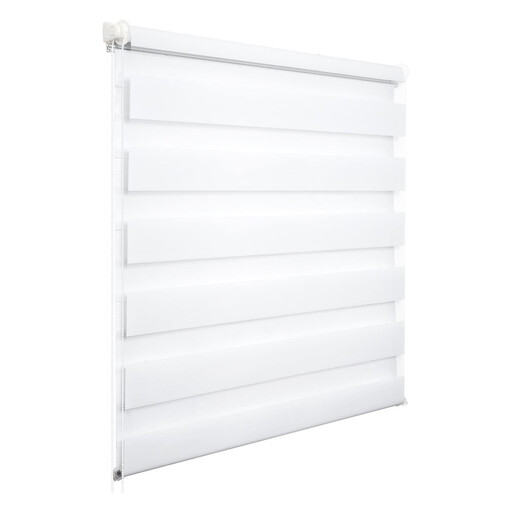
Why this product is a good fit: This compact version suits smaller windows in rented homes and offers clamp-fit installation for frames 13–23 mm thick.
The product details specify the suitable frame thickness and offer screw fitting as an alternative. This makes it easier to check the fitting method before you buy.
100% polyester, chain can be fitted on the left or right, and easy cleaning with a soft brush or damp cloth.
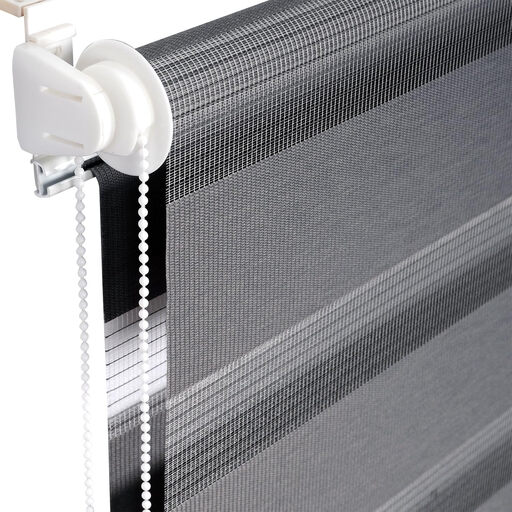
Why this product is a good fit: At 120 cm wide, this model is designed for larger windows. It combines clearly stated dimensions with a chain that can be fitted on either side.
The description clearly notes that the fabric is narrower than the overall width and lists window types that are unsuitable. This reduces the risk of choosing a blind that does not provide enough coverage.
Heat-cut edges to prevent fraying, wipe-clean polyester, and a choice of clamp-fit or screw installation.
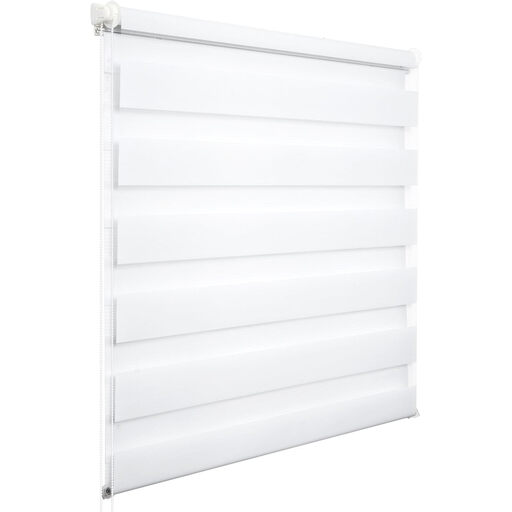
Why this product is a good fit: At 220 cm high, this version may suit tall windows, doors or patio doors, provided the window or door frame is suitable for fitting.
The product details exclude roof windows, wooden frames and certain window types. Check these restrictions before using the blind on a door or tall glazed area.
Long version, chain can be fitted on the left or right, and 100% polyester fabric with heat-cut edges.
Why this product is a good fit: The product description lists bathrooms, kitchens and other indoor spaces with higher humidity as possible places to use it.
The care instructions recommend using a soft brush or damp cloth rather than washing the blind or using harsh cleaners. This helps keep cleaning suitable for the material and construction.
Wipe-clean polyester, clamp-fit brackets for 13–23 mm frames, and flexible light control by overlapping the stripes.
We’ve put together a complete, regularly updated list of products that meet these strict selection criteria and fully comply with the safety regulations in force in the EU.
If the blind is used frequently, the chain should run smoothly. Pulling too hard, allowing the mechanism to jam or moving the blind beyond its intended end points can put strain on the mechanism and fabric.
No. It is only suitable for a door with a compatible frame and enough rebate depth. The models mentioned are not designed for roof windows, wooden frames, sliding doors or fixed windows. Before buying, check the frame thickness, door handle and clearance for movement.
There is no single answer. Its lifespan depends on how often it is used, how it is fitted, how much sunlight it gets and how it is cleaned. Securely fitted brackets, smooth operation and careful use of the chain can help extend its useful life. Check any damaged or loose clamp brackets before using the blind again.
No. A mechanical day and night blind with a chain mechanism does not need electricity. You adjust the light manually by moving the transparent and opaque fabric stripes. This means there are no ongoing energy costs.