
Lieferung heute & morgen

Qualitätsgarantie

Willkommens-Angebote freischalten: KOSTENLOSE Lieferung | Bis zu 80 % RABATT | Kostenlose 30-Tage-JoyPlus-Testphase
App herunterladen
A no-drill double roller blind is an attractive solution for many homes, especially in rental properties where permanent damage to the window frame must be avoided. The simple installation using a clamp-on system and its flexible light control make it a popular choice. However, the market is flooded with products of widely varying quality. Before you make a decision, it's crucial to understand the most common pitfalls that can lead to a bad purchase.
Many buyers report clamp brackets that break after a short time, fabrics that quickly fray, or measurements that don't fit as expected. This guide will help you navigate these issues and find a product that is both functional and durable.
To ensure your new clamp-on window blind serves its purpose, you should carefully check three core parameters. These details determine the fit, function, and longevity of the product.
A common mistake is confusing the total width of the blind with the fabric width itself.
If you only measure the width of the glass pane and use that as the order width, you will inevitably have light gaps on the sides. For good coverage and an effective no-drill privacy blind, it is recommended to add about 4 cm to the glass width to determine the correct order width. However, make sure the blind does not collide with the window handle. The height should correspond to the height of the entire window sash.
The term Day and Night Blind or Duo Roller Blind describes the characteristic feature of combining two layers of fabric with alternating transparent and opaque stripes. However, the quality of the material determines how well this function works in practice.
Additionally, the fabric should be cleanly finished to prevent fraying at the edges. A heat-cut (thermal cutting) method is a mark of quality here.
The no-drill installation only works if the clamp brackets fit your window. The crucial value here is the thickness of the window frame (sash depth). Most clamp-on blind systems are designed for a frame thickness of about 13 to 23 mm. Before buying, measure the thickness of your window sash to ensure the brackets will sit firmly and securely. Also, note that these systems are generally not suitable for skylights or fixed glazing.
Based on the criteria mentioned, we have selected some products for different user profiles.
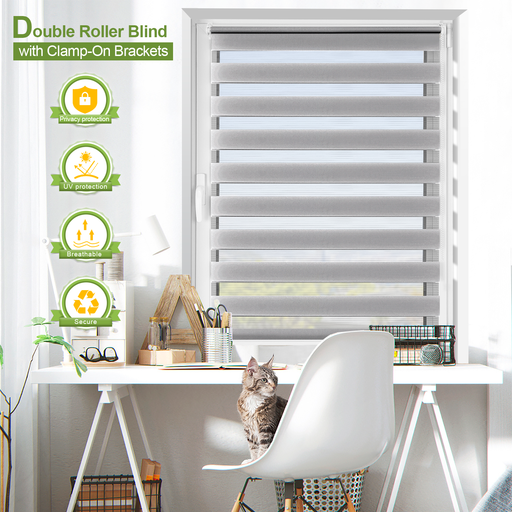
Why this product is a great fit: A straightforward and functional solution for standard windows in rental properties. The neutral colour and common size make it versatile without requiring deep consideration of design choices. Ideal for living rooms or home offices.
The product is designed as a complete set with clamp brackets, which minimises compatibility issues. The clear dimensions help avoid the common mistake between fabric and order width.
Offers the classic duo-roller function for flexible light control. The no-drill installation completely protects the window frame.
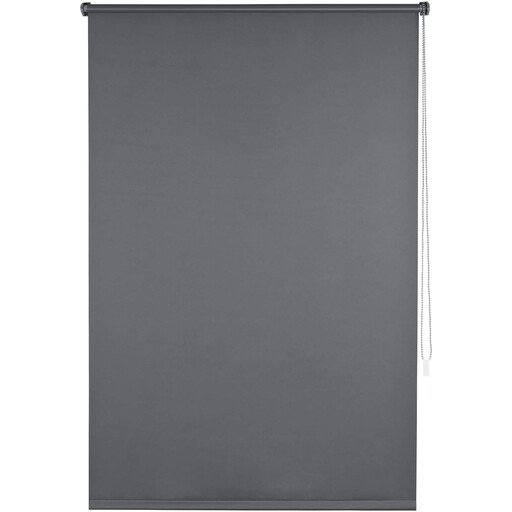
Why this product is a great fit: Specifically for users who want to completely darken a room, such as a bedroom or home cinema. The additional thermal coating helps regulate room temperature by reflecting heat in the summer and keeping out the cold in winter.
This blind avoids the trap of "pseudo-blackout" fabrics. According to the manufacturer, the aluminium coating on the back provides nearly 100% light blockage, rather than just dimming the light.
Provides blackout and thermal insulation in one. The clamp-on system allows for no-drill installation, but a screw-in option is also available.
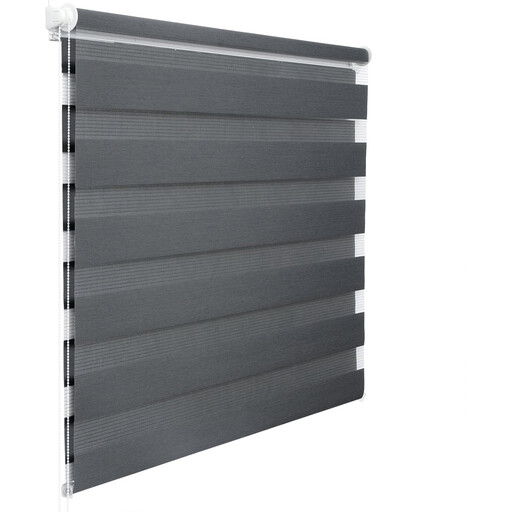
Why this product is a great fit: For anyone who values a cohesive aesthetic. The modern dark grey colour and the clean lines of the zebra blind integrate well into contemporary interior designs. It's more than just a privacy screen; it's a design element.
This blind provides clear instructions for measuring to prevent fitting errors. According to the manufacturer, the use of heat-cut technology prevents the fabric from fraying, preserving its appearance long-term.
Flexible light control with alternating transparent and opaque stripes. The chain pull can be mounted on either the left or right side.
We have compiled a complete, up-to-date list of products that fully meet these strict selection criteria and German safety regulations.
1. How do I measure the correct size for a no-drill double roller blind? First, measure the width of your window's glass pane. Add approximately 4 cm to this measurement to get the order width. This ensures the fabric slightly overlaps the pane on both sides, minimising light entry. Check to ensure the window handle will not obstruct the blind's operation. For the height, measure the entire height of the window sash.
2. Can a clamp-on roller blind be attached to any window? No. Clamp-on systems are designed for uPVC (plastic) windows with a specific frame thickness (usually between 13 and 23 mm). They are generally not suitable for wooden windows, fixed-pane windows, or skylights. Always check the product specifications for compatible frame thickness.
3. What is the difference between a duo roller blind and a no-drill pleated blind? A duo roller blind (or zebra blind) consists of two parallel layers of fabric with alternating transparent and opaque stripes that are shifted against each other to regulate light. A no-drill pleated blind is made of a single, pleated piece of fabric. It is often tension-mounted directly within the glazing bead and can be flexibly positioned from both the top and bottom, allowing for very precise control over privacy and light.