
Lieferung heute & morgen

Qualitätsgarantie

Willkommens-Angebote freischalten: KOSTENLOSE Lieferung | Bis zu 80 % RABATT | Kostenlose 30-Tage-JoyPlus-Testphase
App herunterladen
A no-drill double roller blind is a practical solution for many homes, especially for renters. It offers flexible privacy and light control without causing permanent damage to window frames or walls. However, the market is flooded with products of widely varying quality. Before you make a decision, it's important to understand the common pitfalls that can lead to an unsatisfactory purchase.
Many buyers report three central problems:
This guide will help you bypass these issues and find a functional and durable no-drill window blind.
To ensure your new duo blind fits and functions correctly, you should carefully check three technical parameters.
The mounting technique, often called a clamp-fix blind, is the cornerstone of the drill-free installation. The quality of the clamp brackets determines stability and safety. Pay attention to the following points:
A double roller blind, also known as a zebra blind or day and night blind, consists of two parallel fabric panels with alternating transparent and opaque stripes. By shifting the panels using a side chain, you can seamlessly adjust the amount of light entering the room—from nearly transparent to a complete privacy blind.
This is the most critical point for avoiding light leakage at the sides. Manufacturer specifications can be confusing. Remember this rule:
Here are some recommendations tailored to different needs and living situations.
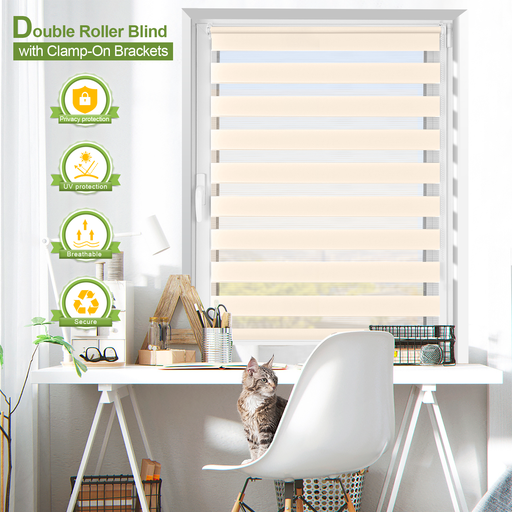
Why This Fits Their Persona: Ideal for standard windows in rental properties. This model focuses on core functionality: simple, tool-free installation and reliable light control for everyday needs in the kitchen, bathroom, or home office.
The included clamp-fix system is designed for straightforward installation, avoiding the pitfall of unstable brackets when correctly fitted to the window frame.
Tool-free installation without damaging the window frame; stepless regulation of light and privacy.
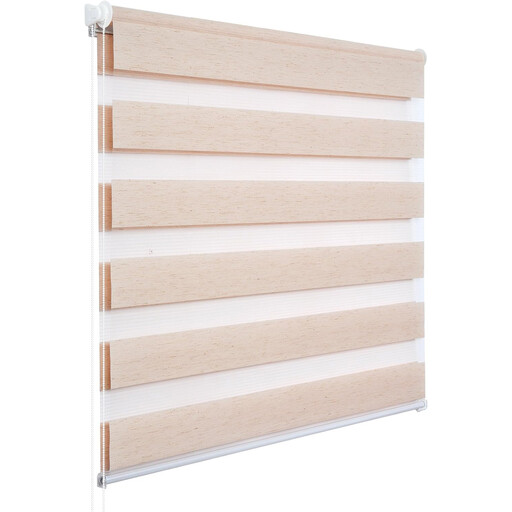
Why This Fits Their Persona: For homeowners and renovators who value aesthetics. The natural wood look blends harmoniously into interior design concepts with wooden elements and creates a cozier feel than standard solid-color blinds.
According to the manufacturer, the polyester fabric is processed with hot-cut technology. This counteracts the typical fraying of fabric edges and ensures a long-lasting, clean look.
Decorative wood look for a warm ambiance; robust construction for daily use; suitable for window frame depths of 13-23 mm.
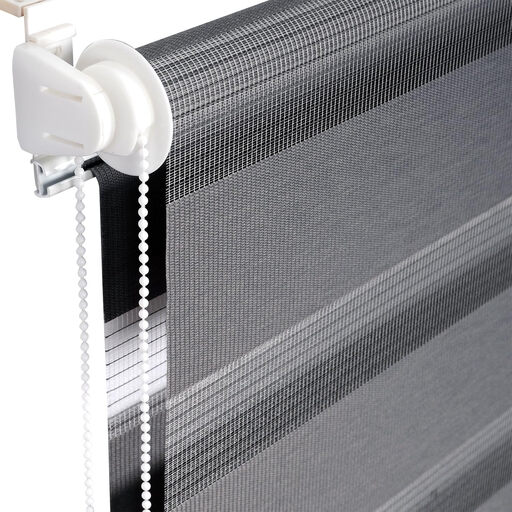
Why This Fits Their Persona: A solution for wider or square window formats found in modern apartments or offices. The dark gray color provides an enhanced room-darkening effect, ideal for bedrooms or rooms with screens.
This model addresses the pitfall of incorrect sizing by offering an option for wider windows (120 cm), where standard sizes would be insufficient and leave light gaps.
Suitable for wide window fronts; enhanced room-darkening effect due to dark coloring; includes accessories for optional screw-in mounting.
We have compiled a complete, up-to-date list of products that fully meet these strict selection criteria and safety regulations.
1. How do I measure the correct size for a no-drill double roller blind? Measure the width of your window's glass pane. Add approximately 4 cm to this measurement (2 cm per side) to get the recommended order width. This ensures adequate overlap and minimizes light leakage from the sides. The fabric width will be about 4-5 cm narrower than this order width. For the height, measure the entire height of the window sash.
2. Can I install a clamp-fix blind on any window? Clamp-fix systems are primarily designed for modern uPVC windows with a common frame depth (often 13-23 mm). They are generally not suitable for wooden windows, fixed-pane windows (that do not open), or skylights. Always check the manufacturer's compatibility specifications.
3. How do I clean and maintain a duo blind? Most polyester double roller blinds are low-maintenance. For cleaning, it is usually sufficient to gently vacuum the fabric with a soft brush attachment on the lowest setting. For light stains, a slightly damp, lint-free cloth can be used. Avoid harsh cleaning agents or fully immersing the blind in water, as this can damage the fabric and the mechanism.