Lieferung heute & morgen

Qualitätsgarantie

Willkommens-Angebote freischalten: KOSTENLOSE Lieferung | Bis zu 80 % RABATT | Kostenlose 30-Tage-JoyPlus-Testphase
App herunterladen
The light in a room is its silent architect. It shifts with the hours, draws patterns on walls and floors, and dictates the atmosphere in which we live and work. In urban apartments, where space is at a premium and the architecture is often fixed, the deliberate control of this light becomes a subtle form of interior design. For tenants in particular, a recurring question arises: How can a space be adapted to one's own needs without leaving a permanent mark? The answer lies in objects that combine flexibility and function without damaging the fabric of the room.
The design of living spaces is increasingly following the principle of adaptability. In place of rigid, permanent installations, modular and reversible solutions are coming to the forefront. This mindset is not just a practical necessity for tenants who must avoid drilling holes in window frames, but also a philosophical choice for a more agile, conscious way of living. A no-drill window blind is an expression of this attitude. It respects the integrity of the existing structure while offering full control over privacy and light.
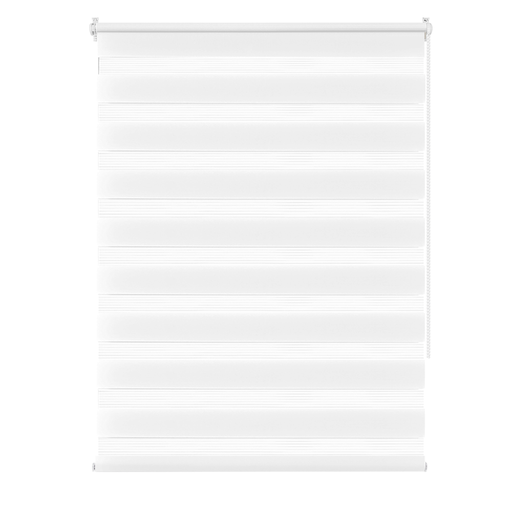
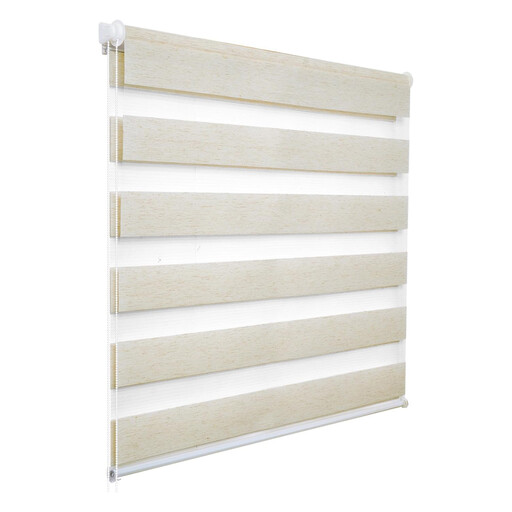
The technical implementation of this idea is found in systems like the clip-fix roller blind. Here, brackets are clamped directly onto the window sash, an installation that requires no tools and can be removed without a trace. A particularly sophisticated variant is the so-called zebra or day-and-night blind. It consists of two parallel fabric panels woven with alternating transparent and opaque stripes. By slightly shifting the panels using a side chain, the amount of light can be infinitely adjusted—from almost complete transparency to gently filtered light to effective privacy screening. This clip-on privacy blind thus becomes a dynamic instrument that accompanies the room in rhythm with the day. Similar principles apply to a no-drill pleated blind, which creates a soft, textile feel with its folded structure and is just as easy to install.
The selection of reversible window treatments is guided by a clear, unobtrusive aesthetic. Function is paramount, yet the design blends seamlessly into a calm, uncluttered living concept. A simple, white model like the WOLTU Day and Night Roller Blind acts as a neutral canvas that modulates incoming light without visually dominating. For rooms where natural materials set the tone, a double roller blind with a beech finish offers a warm, organic texture that bridges the gap between indoors and outdoors. The polyester fabrics are designed to be easy to care for and retain their shape, ensuring their longevity in daily use.
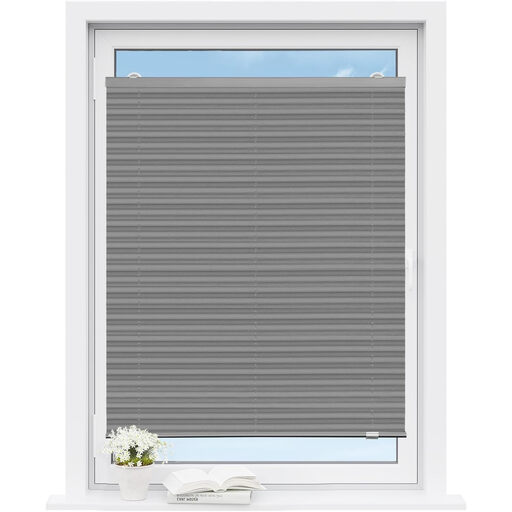
The colour and material palette of modern roller blinds allows for fine-tuning to the interior. A double roller blind in marble grey can lend a subtle depth to a minimalist ambiance, while a multi-coloured variant like the model in white-green-grey sets a discreet accent without disturbing the visual tranquility. For special installation situations like skylights or glass doors where a clamp-on fitting is not possible, alternative solutions exist. A pleated blind with suction cups adheres directly to the glass pane and can be removed just as easily without a trace. Here, too, functionality is key: the pleated fabric, for instance in a neutral anthracite like the EcoHue Clip-Fix Pleated Blind, filters sunlight and protects from prying eyes while maintaining a cosy atmosphere.
For those who wish to explore a wider selection of thoughtful privacy solutions, the complete directory of more solutions for flexible privacy offers additional inspiration.