
Lieferung heute & morgen

Qualitätsgarantie

Willkommens-Angebote freischalten: KOSTENLOSE Lieferung | Bis zu 80 % RABATT | Kostenlose 30-Tage-JoyPlus-Testphase
App herunterladen
By the Joybuy Product Recommendation Officer, August 29, 2026
For many renters and homeowners, a no-drill double roller blind is the ideal solution for flexible privacy and sun protection. Its damage-free installation on the window frame is a key advantage. However, the market is crowded, and not every product lives up to its promise. Before you make a purchase, it's crucial to understand the common pitfalls, which often only become apparent after installation or a few months of use.
This guide will show you what to look for to avoid three common and costly mistakes, helping you find a durable, perfectly fitting blind for your home.
To avoid the problems mentioned above, you should check three technical features before buying. These define the quality, fit, and functionality of your new blind.
The success of a no-drill installation hinges on the clamp brackets. The decisive factor is the window frame thickness. Measure the thickness of your window sash where the bracket will be placed—without including the rubber seal. Most clamp-fit blind systems are designed for a standard frame thickness of 13 to 23 mm. Check this specification carefully in the product description. A correct fit ensures a firm and secure hold without slipping. Also, note that these systems are generally not suitable for wooden windows or skylights.
Choosing the right fabric is crucial, depending on the intended use.
For both types, look for the material specification "100% Polyester" and a note that the edges have been processed with hot-cut technology to prevent fraying.
To minimise light gaps at the sides, correct measurement is essential. The specified width of a blind is usually the total width including the brackets (order width). The fabric itself is always slightly narrower.
How to measure correctly:
Make sure the blind does not extend past the window handle. The height of the blind should correspond to the entire height of the window sash.
Here are three recommendations tailored to different needs that meet the quality criteria mentioned above.
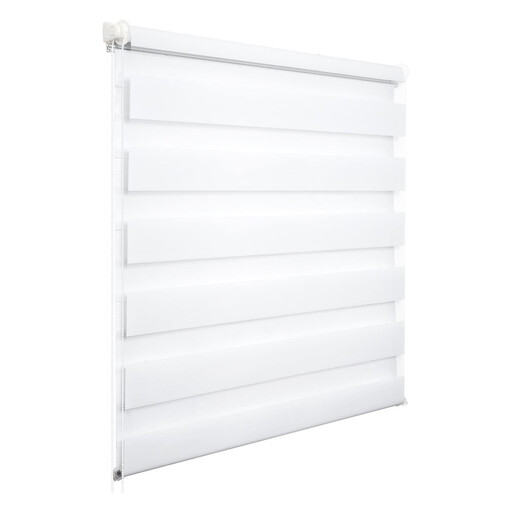
Why it's a great fit: Ideal for rental properties with common uPVC windows. It offers a straightforward, damage-free installation and flexible light control for living rooms or home offices without making any permanent alterations.
The clamp brackets are specified for the common frame thickness of 13-23 mm. The 100% polyester fabric is protected from fraying by hot-cut technology.
Seamless light control thanks to the zebra effect; simple, tool-free installation.
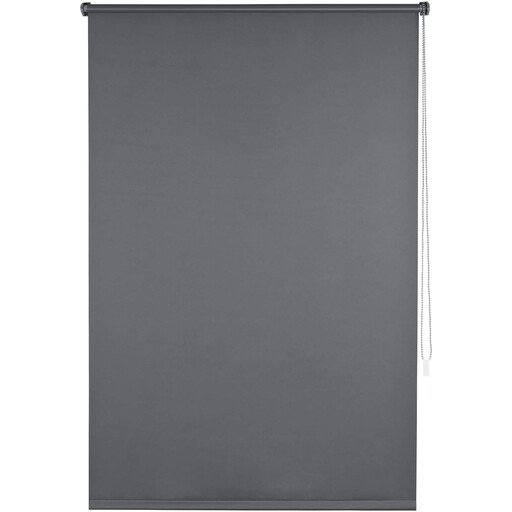
Why it's a great fit: Perfect for bedrooms and nurseries where maximum darkness is needed for undisturbed sleep. The thermal coating offers the additional benefit of helping to regulate the room's climate.
The special aluminium coating on the back effectively blocks light, going beyond the function of a simple dark fabric. The clamp-fit installation is designed for frame thicknesses of 1-2 cm.
Provides a near-100% blackout effect and contributes to energy efficiency through its thermal insulation.
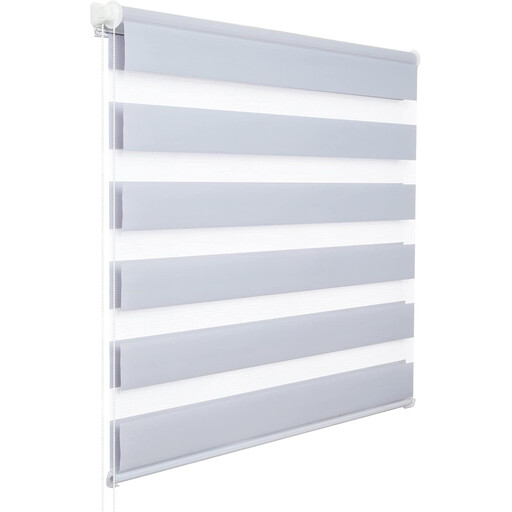
Why it's a great fit: With a length of 220 cm, this blind is an excellent choice for floor-to-ceiling windows or balcony and patio doors, where standard sizes are often too short. It combines functionality with a modern look.
The clear measurement specifications and measuring guide ensure a perfect fit, even for non-standard heights. The robust structure and durable fabric are designed for the larger surface area.
Provides a solution for tall blinds for windows and doors that can be installed easily and without drilling.
We have compiled a complete, up-to-date list of products that fully meet these strict selection criteria and quality standards.
1. How stable is a clamp-fit blind, really? A clamp-fit blind is very stable when installed correctly. Stability critically depends on your window frame's thickness exactly matching the clamping range specified in the product description. If the brackets sit firmly on the frame without any wobble, they will reliably withstand daily use.
2. What is the difference between a double roller blind and a blackout blind? The main difference lies in their function and construction. A double roller blind (also called a zebra blind) has two parallel fabric panels with alternating transparent and opaque stripes for flexible light control. A blackout blind consists of a single, light-impermeable fabric panel (often with a special coating) to make a room as dark as possible.
3. How do I ensure I order the correct width? Measure the width of the glass pane only. Add a total of approx. 4 cm (2 cm per side) to this value to ensure a good overlap and reduce light leakage at the sides. The result is your recommended order width. Compare this measurement with the available sizes and ensure that the total width of the blind does not interfere with the window handle.