
Lieferung heute & morgen

Qualitätsgarantie

Willkommens-Angebote freischalten: KOSTENLOSE Lieferung | Bis zu 80 % RABATT | Kostenlose 30-Tage-JoyPlus-Testphase
App herunterladen
Installing hooks is a simple way to get organised and make the most of your available space. However, in rental homes, bathrooms with new tiles, or on walls you simply don’t want to damage, drilling is often not an option. Fortunately, a wide variety of solutions offer a sturdy mount without leaving permanent marks.
This guide introduces different types of no-drill hooks and provides you with objective criteria to find the perfect solution for your needs—whether it's for the bathroom, kitchen, or hallway.
Before you decide on a product, there are a few technical aspects to consider. The right choice depends on the surface type, the weight of the item you plan to hang, and the intended application.
The mounting type is the most critical feature. Each method has specific use cases:
The maximum load capacity is one of the most important specifications and is indicated by the manufacturer in kilograms (kg). A hook for a light tea towel has different requirements than a coat hook that needs to support a heavy winter coat. Always check this specification carefully to prevent overloading. Materials range from simple plastic to robust stainless steel or stylish combinations of metal and wood that visually complement your interior.
Not every surface is suitable for every type of hook. Adhesive and suction cup systems require a clean, dry, and, most importantly, smooth, airtight surface. Textured wallpaper, porous stone, unfinished wood, or structured tiles do not provide sufficient adhesion. Over-the-door hooks, in turn, require a standard door frame to be hung securely.
Here is a selection of products that meet various requirements for a drill-free mounting solution.
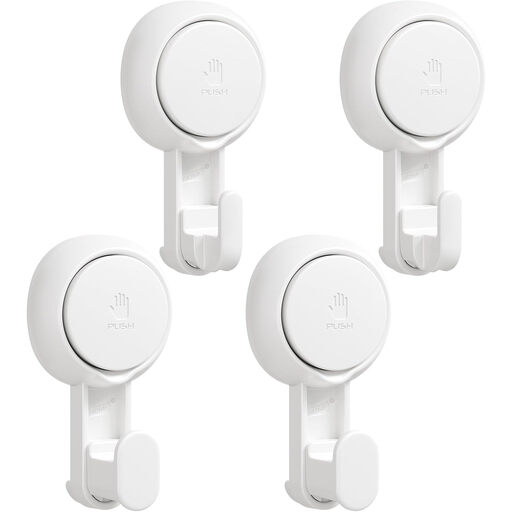
Why It's a Great Choice This set uses a patented vacuum suction cup technology inspired by octopus tentacles. Installation is tool-free and takes just one second: a firm press against a smooth surface creates an audible "puff" sound, signalling a successful vacuum seal. The hook is also 360° rotatable, which prevents installation errors and offers flexibility in alignment.
Advantages
Who It's For For users seeking a highly reliable and flexible hook solution for the bathroom or kitchen. Ideal for mounting directly in the shower to keep towels, loofahs, or brushes within easy reach.
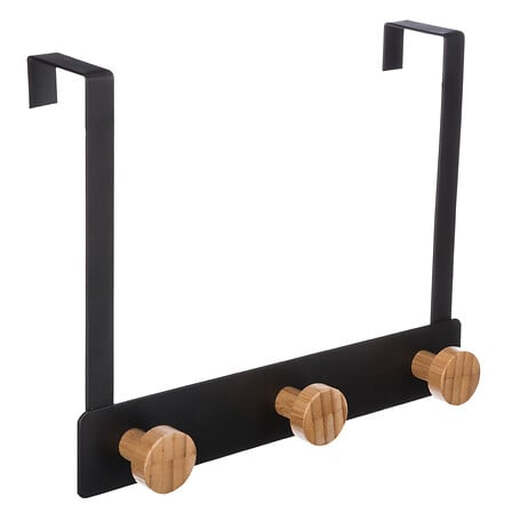
Why It's a Great Choice This over-the-door hook rack combines functionality with an appealing design. The mix of black steel and natural bamboo blends well with modern interior concepts. No installation is required—simply hang the rack over a standard interior door to create instant extra storage space.
Advantages
Who It's For For renters and anyone needing a simple, portable solution for the hallway, bedroom, or bathroom. It's a perfect alternative to wall-mounted coat hooks for hanging jackets, bags, and towels without touching the walls.
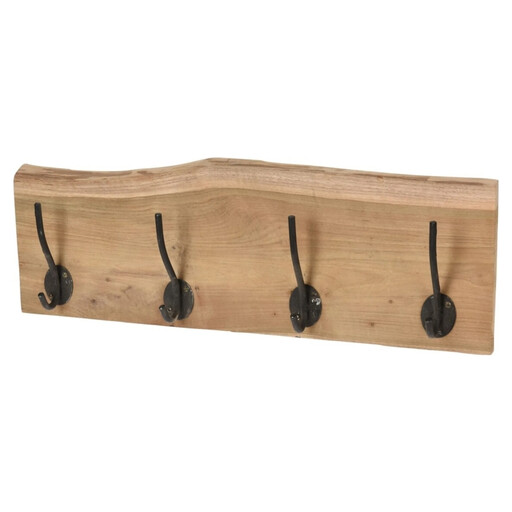
Why It's a Great Choice This panel combines the function of a coat rack with a decorative wall element. Made of wood with four sturdy metal hooks, it offers a visually appealing solution for a hallway or bathroom. Its modern design fits various interior styles, from classic to industrial.
Advantages
Who It's For For those who want an aesthetically pleasing and permanent-looking coat rack solution but still wish to install it without drilling. It serves as a practical decorative element that enhances an entryway or other rooms.
The products featured here cover common use cases. If you are looking for other styles, specialised hooks for the kitchen, or different organisational solutions, you may find the right product in our wider assortment.
Discover our full range of hooks
The load capacity varies greatly depending on the mounting type and product. Simple adhesive hooks often hold 1 to 2 kg, while high-quality vacuum suction systems or over-the-door hooks can support 5 kg or more. Always refer to the maximum load capacity specified by the manufacturer on the packaging or in the product description.
Self-adhesive wall hooks adhere most reliably to smooth, clean, and non-porous surfaces. These include tiles, glass, metal, most refrigerator doors, and smooth-painted wood. Surfaces like textured wallpaper, plastered walls, concrete, or unfinished wood are generally unsuitable because the adhesive cannot find a continuous surface to bond with.
Many modern adhesive hooks are designed for residue-free removal. They often feature a special tab that you pull slowly and parallel to the wall to release the adhesive bond. For other models, gently heating the adhesive with a hairdryer can help. This softens it, making the hook easier to detach. Any remaining residue can often be removed with rubbing alcohol. Always read the manufacturer's instructions.