
Lieferung heute & morgen

Qualitätsgarantie

Willkommens-Angebote freischalten: KOSTENLOSE Lieferung | Bis zu 80 % RABATT | Kostenlose 30-Tage-JoyPlus-Testphase
App herunterladen
Hanging towels, kitchen utensils, or decorations can quickly become a challenge, especially in rental properties where drill holes are often prohibited. The solution seems simple: no-drill hooks. However, the market is flooded with products whose promises often don't hold up in practice. False load capacity claims and sticky residue left on the wall are common frustrations.
This guide will help you navigate the typical pitfalls. We'll explain the crucial parameters you should check before buying to find a reliable and damage-free solution for your home.
Before you choose a product, you should be aware of the most common flaws that lead to frustration and unnecessary expense.
To avoid these problems, focus on three core technical features. These determine whether a hook is suitable for your intended use.
Choosing the right system is fundamental and depends directly on the condition of your walls.
The specified load capacity is an important guideline but should always be considered in relation to the material and intended use.
The place of use places specific demands on the hook.
Here are some product recommendations tailored to different needs and use cases.

Why it's a good fit: Perfect for renters who need a flexible and strong hanging solution in tiled bathrooms or shower stalls. The hooks can be installed without tools and repositioned at any time without leaving marks.
The suction cup system is specifically designed for smooth, non-porous surfaces, thus bypassing the problem of wall damage from adhesives. The high holding power (up to 5 kg according to the manufacturer) on suitable surfaces prevents it from falling under load.
Waterproof, reusable, and 360° rotatable for maximum flexibility in positioning.
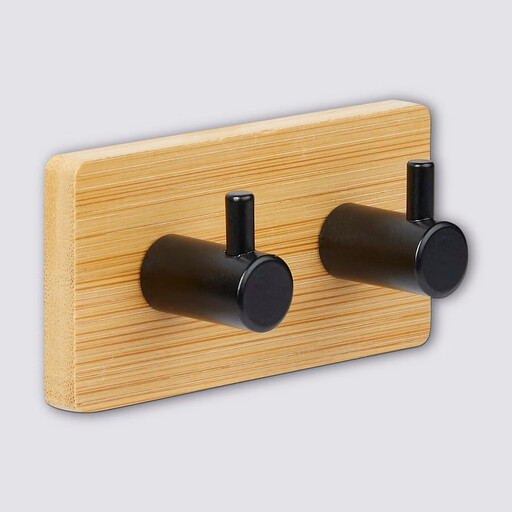
Why it's a good fit: For anyone looking for a functional solution that aesthetically blends into their living space. Ideal for hallways, kitchens, or offices where hooks are visible and should match the interior design.
By using a strong adhesive system, it ensures a reliable and durable attachment on various surfaces. The high-quality design avoids the impression of a cheap, temporary fix.
Appealing aesthetics through the combination of natural bamboo and robust steel.
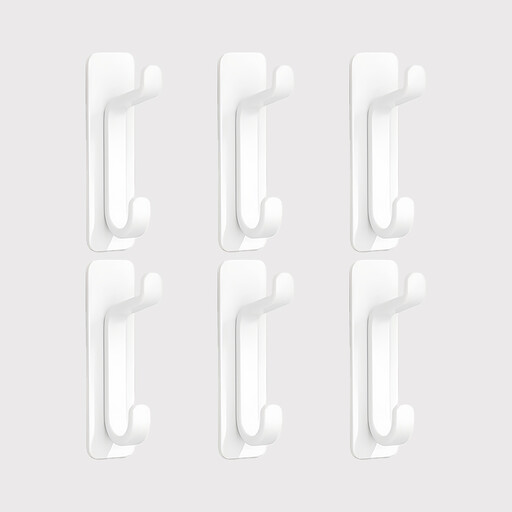
Why it's a good fit: A practical and cost-effective solution for organisation throughout the house. The 6-pack set made of stainless steel offers great value for use in the kitchen, hallway, or storage room.
The focus is on functionality: the rust-proof stainless steel material and strong adhesive are designed for a durable and reliable hold. This addresses the problem of low load capacity and poor durability found in many cheap hooks.
Set of 6 hooks for versatile applications, made from durable and rust-resistant stainless steel.
We've compiled a complete, up-to-date list of products that fully meet these strict selection criteria and UK safety regulations.
To avoid adhesive residue or damage, you shouldn't just rip the hook off the wall. For adhesive strips with a flexible tab, pull it slowly and parallel to the wall downwards. For hooks without a tab, gently heating the adhesive with a hairdryer can help. The hook can then often be pried off more easily. Stubborn residue can be treated with a special adhesive remover or rubbing alcohol—but always test this on an inconspicuous area first.
No. Suction cup systems require a completely smooth and airtight surface to create a vacuum. The texture of woodchip wallpaper, plaster, or wood prevents this, so the hook cannot get a grip. For such rough or porous surfaces, only self-adhesive hooks with a suitable adhesive are appropriate.
The load capacity varies greatly depending on the product, typically ranging from 1 kg to 5 kg. Some high-performance adhesive systems can hold even more, according to manufacturer claims. However, it is crucial to check the manufacturer's specific details for the respective product and to understand this as a maximum value achieved under ideal conditions. For heavy items like coats or large bath towels, you should always choose a model with a correspondingly high, declared load capacity.