
Lieferung heute & morgen

Qualitätsgarantie

Willkommens-Angebote freischalten: KOSTENLOSE Lieferung | Bis zu 80 % RABATT | Kostenlose 30-Tage-JoyPlus-Testphase
App herunterladen
Anyone who lives in a rental apartment or simply wants to protect their walls and tiles knows the problem: you're short on hanging options, but reaching for a power drill is out of the question. No-drill hooks offer a practical and flexible solution for creating order in the bathroom, kitchen, or hallway without leaving permanent damage. This article introduces various mounting types, provides tips for selection, and presents a curated list of products for different applications.
Before you decide on a model, three key factors should be considered: the mounting type, the load capacity, and the surface. The right combination of these aspects ensures that the hook will hold reliably.
The installation method largely determines the hook's ideal location and flexibility.
The maximum load capacity is one of the most important specifications provided by the manufacturer. A lightweight bathroom hook for a washcloth has different requirements than a no-drill hook rack intended to hold heavy winter coats. Check the specified maximum load capacity (often in kilograms) and plan for a certain buffer. The stated capacity usually only applies under optimal conditions and with correct installation on a suitable surface.
The condition of the surface is crucial for a secure hold. While over-the-door hooks are relatively universal, adhesive and suction cup versions require specific conditions. Textured wallpaper, porous walls, or structured tiles are unsuitable for most adhesive and suction solutions, as there is no smooth, continuous surface for adhesion. For the bathroom, you should also look for water-resistant materials like stainless steel or plastic to prevent rust. A no-drill towel holder for the bathroom must be moisture-resistant.
Here is a compilation of different hook models designed for various needs and rooms.
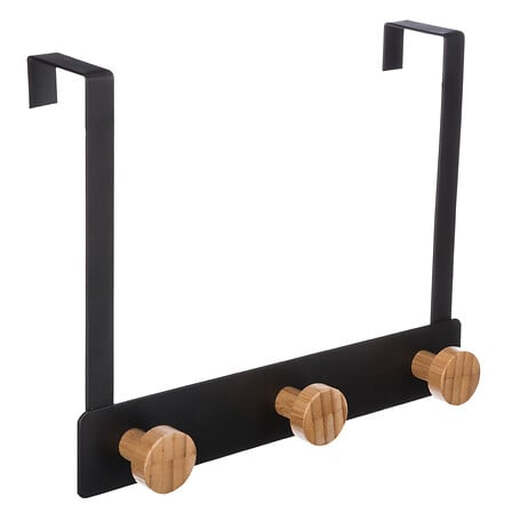
Why this model stands out This hook rack combines functionality with an attractive design. Installation is tool-free by simply hanging it over an interior door, making effective use of otherwise wasted space.
Advantages:
Who is it for? Individuals looking for a quick and straightforward solution for the entryway, bedroom, or bathroom who also value a modern aesthetic. Ideal for renters who are not allowed to make permanent alterations.
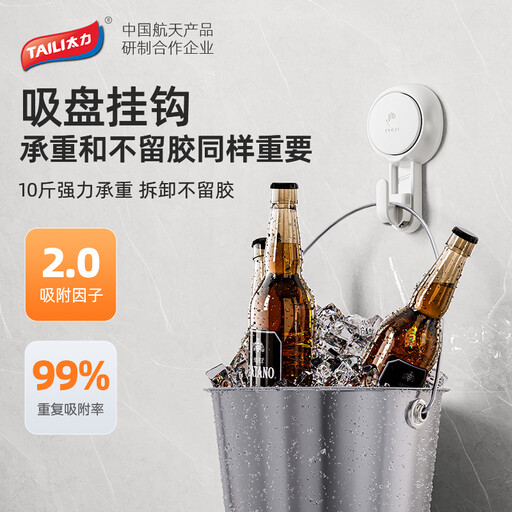
Why this model stands out The TAILI hooks use an advanced suction cup technology that ensures a stable hold on smooth surfaces without any adhesive. They are flexible to position and leave no marks behind.
Advantages:
Who is it for? Users who need a flexible hanging option for towels, bathrobes, or kitchen utensils on tiles, glass, or mirror surfaces. Especially practical for showers or the kitchen backsplash.
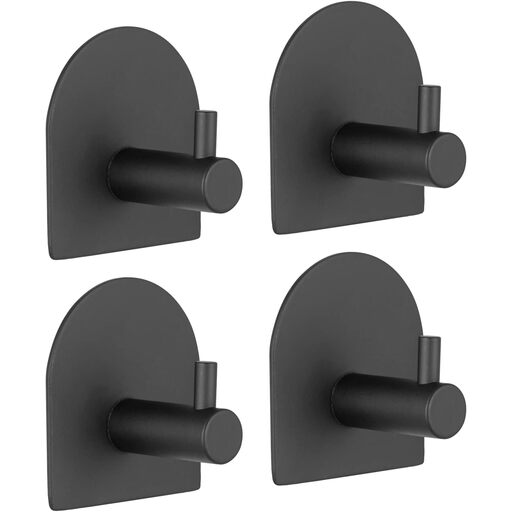
Why this model stands out These self-adhesive hooks are designed for a high load capacity. The material and the strong adhesive surface make them a robust alternative to drilling, even for heavier items.
Advantages:
Who is it for? Anyone looking for a very strong and durable adhesive solution to hang heavier items like bathrobes, large towels, or even light bags. A smooth, stable surface and adherence to the 24-hour curing time are essential.
The products featured cover common use cases. However, if you need a different size, design, or a specific solution like an over-the-door towel bar hook, you might find the right model in our broader selection.
Discover more no-drill hooks and holders here
1. How much weight can no-drill hooks hold? The load capacity varies greatly depending on the model and mounting type. Simple suction cup hooks often only support 1-2 kg, while high-quality self-adhesive hooks can hold up to 10 kg according to manufacturer specifications. Over-the-door hooks typically fall in the 5-10 kg range. Always check the specific details provided by the manufacturer.
2. Can you apply self-adhesive hooks to wallpaper? This is generally not recommended. The adhesive strength is often greater than the wallpaper's adhesion to the wall. When removing the hook or under load, there is a high risk that the wallpaper will tear or peel away from the wall. Adhesive hooks are designed for smooth, solid surfaces like tiles, metal, or painted wood.
3. How do you remove adhesive hooks without leaving residue? To remove an adhesive hook, you can gently heat the adhesive with a hairdryer. The heat softens the glue, making the hook easier to pull off. Any remaining adhesive residue can often be removed from the surface with a suitable cleaning agent or rubbing alcohol. Always test the cleaner on an inconspicuous area first.