
Lieferung heute & morgen

Qualitätsgarantie

Willkommens-Angebote freischalten: KOSTENLOSE Lieferung | Bis zu 80 % RABATT | Kostenlose 30-Tage-JoyPlus-Testphase
App herunterladen
A no-drill pleated blind is a practical solution for privacy and sun protection, especially in rental properties where damaging the window frame must be avoided. However, the market is flooded with products of widely varying quality. Many buyers only discover after installation that the product doesn't live up to its promises. As your Joybuy Product Recommendation Officer, I'll help you navigate the most common purchasing pitfalls and make an informed decision.
The two biggest frustrations that lead to buyer's remorse are:
To avoid these issues, it's crucial to check a few technical specifications before you buy.
Before you add a no-drill folding blind to your cart, you should carefully examine three core aspects: the mounting method, the fabric properties, and the correct measurements.
Drill-free installation is primarily achieved through two methods: clamping or adhesion.
The functionality of a pleated blind depends directly on its fabric. The terms are clearly defined:
A special type is the honeycomb blind. It consists of two fabric layers that form a honeycomb-shaped air pocket. This structure not only provides better blackout performance but also acts as a thermal blind, insulating against cold in the winter and heat in the summer.
A common mistake is incorrect measuring. Follow the manufacturer's instructions precisely. A common rule of thumb is:
To make your choice easier, we've compiled a few products based on typical user profiles.
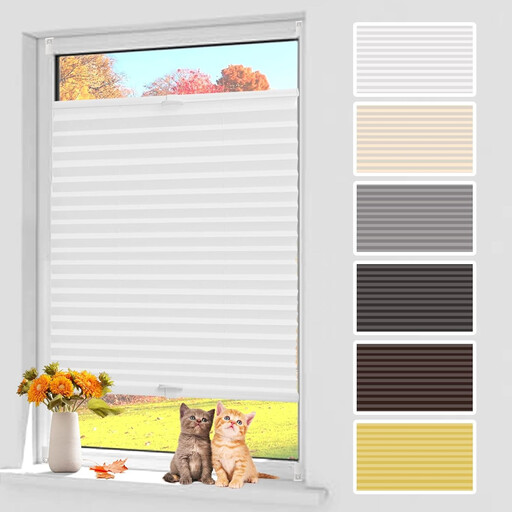
Why This Fits Their Persona: Ideal for students or first-time renters looking for a straightforward and affordable solution for standard windows. The neutral white pleated blind complements any decor and provides solid privacy for living rooms or home offices.
The product comes with both clamp and adhesive mounts, offering installation flexibility and reducing the risk of an incompatible mounting system.
Offers a combination of clamp and adhesive mounting. The fabric is described as light-filtering and for privacy, which sets realistic expectations.
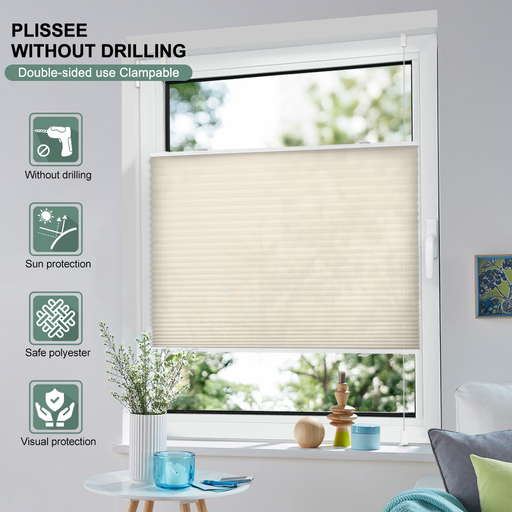
Why This Fits Their Persona: For users who value a modern aesthetic. The anthracite pleated blind blends seamlessly into minimalist or industrial decor styles and serves as a stylish privacy blind for windows.
The product description is precise: 'opaque' for privacy, but 'translucent,' making it clear that this is not a full blackout blind.
Focuses on a tool-free clamp-fit installation, which simplifies the process. The material combination of PVC and polyester fibre is robust and easy to care for.
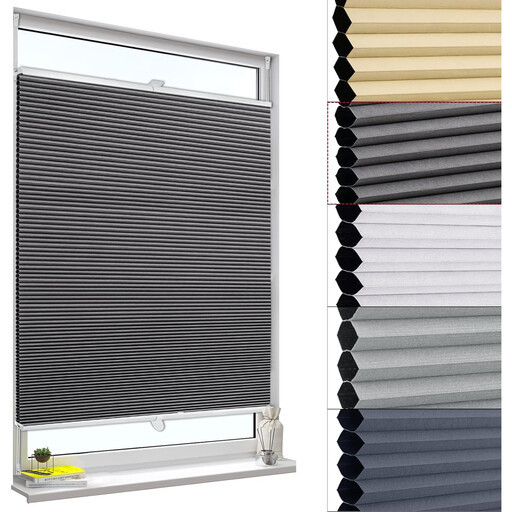
Why This Fits Their Persona: Perfect for bedrooms and children's rooms where maximum darkness and a quiet atmosphere are desired. The honeycomb structure provides additional thermal and acoustic insulation.
This product avoids the 'false blackout' trap with its honeycomb blind construction, featuring an integrated aluminium coating that demonstrably blocks light and insulates.
Offers blackout, thermal, and sound insulation in one. The specification for a compatible frame thickness (10-23 mm) helps prevent installation problems from the outset.
We have compiled a complete, up-to-date list of products that fully meet these strict selection criteria and German safety regulations.
1. How long do clamp-fit brackets last? The lifespan of clamp brackets depends heavily on the material. Models with reinforced plastic or metal components typically last for several years. Cheaper versions made of simple plastic can lose their tension after 1-2 years with frequent use or exposure to strong sunlight.
2. What is the difference between a standard pleated blind and a honeycomb blind? A standard pleated blind consists of a single, zigzag-folded fabric panel. A honeycomb blind (or cellular shade) consists of two fabric panels joined in the middle, forming honeycomb-shaped air chambers. These chambers significantly improve insulation against heat and cold and often provide better blackout performance, as the tension cords run inside the honeycombs, leaving no visible holes in the fabric.
3. Can I install a no-drill pleated blind on a wooden window? Clamp-fit mounting is primarily designed for uPVC (plastic) windows. On wooden windows, the edges may be too rounded or too wide for the clamp brackets to get a secure grip. In such cases, adhesive mounting on the glass pane is a possible alternative, provided the surface is smooth and clean. Always check the manufacturer's specifications regarding suitability for different window types.