
Lieferung heute & morgen

Qualitätsgarantie

Willkommens-Angebote freischalten: KOSTENLOSE Lieferung | Bis zu 80 % RABATT | Kostenlose 30-Tage-JoyPlus-Testphase
App herunterladen
A no-drill pleated blind is an attractive solution for many living situations. It offers a practical alternative to traditional curtains, especially in rental properties where permanent damage to window frames must be avoided, or for homeowners seeking a hassle-free, flexible window treatment. However, the market is flooded with products of widely varying quality. Before you make a decision, it's crucial to understand the common weaknesses that often only become apparent after the purchase.
Many buyers report three central problems:
This guide will help you navigate these pitfalls and make an informed choice that meets your standards for both function and durability.
To find a suitable and long-lasting product, you should carefully examine three core aspects: the mounting system, the fabric properties, and the correct measurements.
Drill-free installation is the main advantage of these products. The most common systems are Klemmfix pleated blinds (clamp-on) and adhesive versions.
A high-quality mounting system is characterized by robust materials (e.g., metal cores in the clamp brackets) and precise adjustability.
The terms for light transmission are often used inconsistently. For effective no-drill window privacy, the distinction is essential:
Check the product description carefully for these specifications to ensure the pleated blind is opaque or blackout enough for your needs.
A made-to-measure pleated blind isn't always necessary if you measure correctly for standard sizes. The wrong size is the most common reason for dissatisfaction.
Careful measurement is the key to a functional and aesthetically pleasing solution that is in no way inferior to a no-drill venetian blind.
Instead of presenting an overwhelming list, we have selected products for specific user profiles that effectively solve common problems.
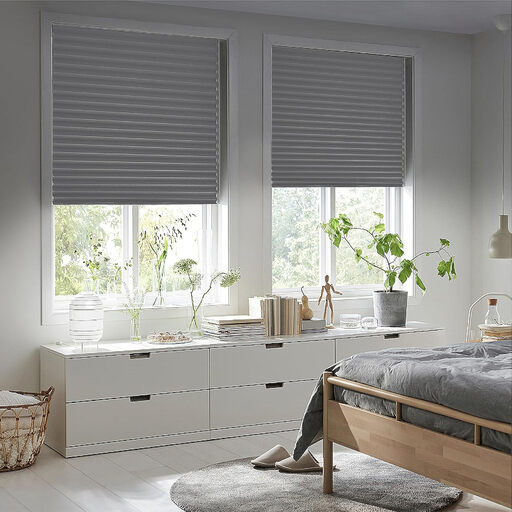
Why it fits: Ideal for standard rental apartment windows. The installation requires no tools and leaves no marks, which is crucial when moving out. The semi-transparent property provides privacy without darkening the room.
The adjustable clamp brackets are suitable for window frames from 10 mm to 23 mm. This solves the problem of improper fit by offering high compatibility with most common uPVC windows.
Quick, tool-free installation and high flexibility thanks to adjustable clamp brackets. The polyester fabric is also durable and easy to clean.
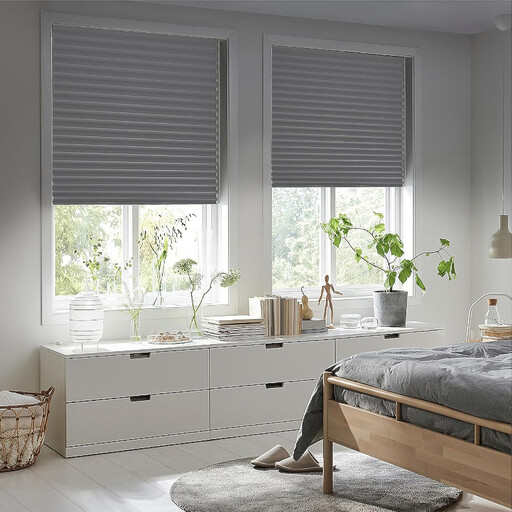
Why it fits: With its 75x200 cm size, it is perfectly suited for balcony or patio doors. The combination of clamp and adhesive options provides a stable mount even for larger and heavier blinds.
The dual mounting system (clamp and adhesive) counteracts the problem of unstable brackets on larger surfaces. It ensures a more reliable and durable attachment.
Suitable for doors and large window surfaces. The semi-transparent property creates a modern look with pleasant light incidence and reliable privacy.
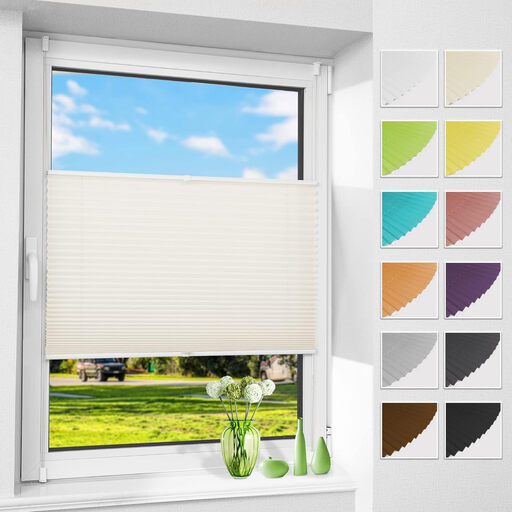
Why it fits: This pleated blind is explicitly described as suitable for high-humidity rooms. The material, made of 100% polyester with an aluminum rod, is resistant to moisture and can be easily cleaned with a damp cloth.
It addresses the pitfall of unsuitable materials. While other fabrics might develop mold or warp in damp environments, this product is specifically designed for kitchens and bathrooms.
Moisture-resistant material and easy cleaning. According to the manufacturer, the patented brackets ensure a particularly stable fit, even on a tilted window.
We've compiled a complete, up-to-date list of products that fully meet these strict selection criteria and applicable regulations.
The stability of a Klemmfix pleated blind depends largely on two factors: the quality of the clamp brackets and the correctness of the installation. Look for brackets with metal components, as they are more durable than all-plastic versions. It is crucial that the rebate depth of your window frame is within the range specified by the manufacturer. When installed correctly, high-quality systems provide a reliable and long-lasting hold.
This distinction is a common source of error. Opaque means that you cannot see contours or people in the room from the outside, even with the light on. However, the fabric still allows daylight to pass through. Blackout means the fabric is designed to let almost no light through. Such blinds are ideal for bedrooms, while opaque versions are suitable for living areas.
No, there are limitations. Most no-drill systems are designed for vertical tilt-and-turn windows made of uPVC. They are generally not suitable for skylights or sloped roof windows, as gravity would overload the brackets. Installation can also be difficult on wooden windows, as the surface texture can impair the adhesion of adhesive pads and clamp brackets may not fit. Always check the manufacturer's specifications regarding suitability for different window types.