
Lieferung heute & morgen

Qualitätsgarantie

Willkommens-Angebote freischalten: KOSTENLOSE Lieferung | Bis zu 80 % RABATT | Kostenlose 30-Tage-JoyPlus-Testphase
App herunterladen
A no-drill pleated blind with clamp brackets can be a practical choice for rented homes, rooms that are used for different purposes or windows with delicate frames. Depending on the design, it can be fitted using clamp brackets, adhesive brackets or suction cups. This avoids drilling holes while allowing you to adjust privacy and light levels as needed.
Even though fitting is straightforward, a few buying decisions can lead to unnecessary costs. These are the three most common pitfalls:
Before ordering, measure the width and height in several places. For several Dream-seeker models featured here, the suggested guide is order width = glass width plus around 4 cm, while the height should match the full height of the window frame. However, this is not a universal rule. The fitting method and the information on the individual product page are what matter.
Also check:
For doors and large windows, it’s particularly important to make sure the brackets are sturdy. For unusual measurements, it’s worth choosing a model from a range offering pleated blinds in different sizes and colours, rather than trying to make a standard size fit.
A light-filtering fabric softens daylight and reduces visibility from outside, but it won’t automatically make a room dark. For example, the Dream-seeker model in 65 × 100 cm and white is described as providing privacy while allowing light through, with a soft daylight-filtering effect. This can work well in a living room, kitchen or home office.
A blackout pleated blind, on the other hand, is better suited to a bedroom or children’s room. Even then, check terms such as “blackout” and “lightproof” against the specific product details. Depending on the fabric, light coming in at the sides and the fitting position, some brightness may still be visible around the edges.
A pleated blind with clamp brackets is usually attached directly to the window sash. Adhesive brackets need a clean, dry and preferably smooth surface. Remove any dust, grease and moisture before fitting. Once installed, check that all the brackets are secure.
Key differences:
If you have children, keep cords and controls out of their reach. Read the manufacturer’s safety instructions before use.
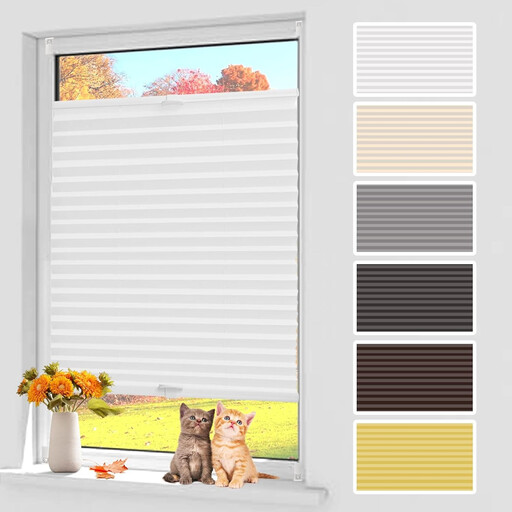
Why this product suits you: Its compact size is ideal for smaller standard windows in a living room, bedroom or home office. The adhesive brackets mean you can fit it without drilling.
The product details distinguish between light-filtering and privacy. That means you won’t assume it provides complete blackout.
65 × 100 cm, white polyester fabric, adhesive brackets and wipe-clean with a damp cloth.

Why this product suits you: Its honeycomb structure and adjustable clamp brackets will appeal if you care about build quality, frame compatibility and controlling light.
The specified frame thickness of 10–23 mm clearly sets out what it will fit. The product details also flag protruding handles and roof windows.
Polyester honeycomb pleated blind, top and bottom operating handles, clamp-bracket fitting and a moisture-resistant surface according to the product description.
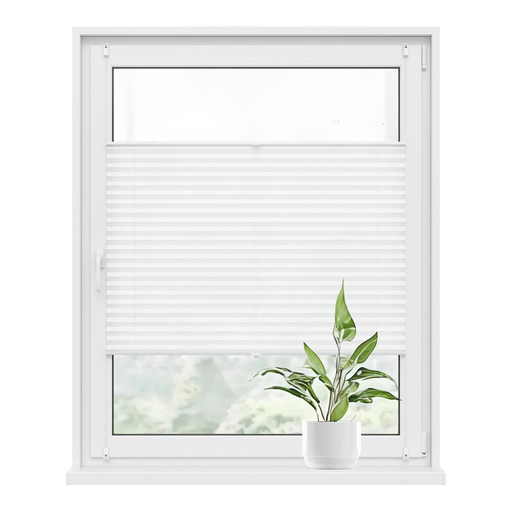
Why this product suits you: This model offers an adjustable width and is designed for windows and doors, provided the frames are suitable.
The adjustable width of 45–120 cm is clearly specified. You should still check whether trimming it will give you the right size.
20 mm pleat width, polyester fabric, aluminium profile, plus clamp brackets and drill-mount plates as fitting options.
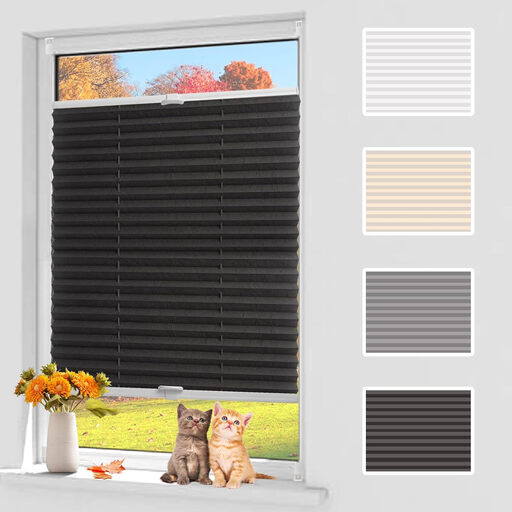
Why this product suits you: Its size is suitable for taller windows, balcony doors or patio doors, as long as the frame measurements and flat fitting surface are suitable.
The description explains that the fabric doesn’t provide complete blackout. This helps you interpret the term “privacy” more realistically.
90 × 200 cm, adjustable clamp brackets, available in charcoal, and suitable for windows and doors according to the product details.
We’ve put together a complete, regularly updated list of products that meet these strict selection criteria and fully comply with the safety regulations in force in the EU.
For bathrooms and kitchens, check that the specific material is approved for use. Moisture-resistant does not mean waterproof. Many clamp-bracket models are explicitly unsuitable for roof windows.
It depends on the type of bracket, frame thickness and product design. Some systems fit to the top and bottom of the window frame, which can help keep the blind more stable. Before buying, check the details on tilt functionality and the permitted frame size.
There’s no set lifespan that applies to every blind. It depends on the fabric quality, exposure to sunlight, how firmly it’s operated, moisture and how securely the brackets are fitted. Regularly checking the clamp or adhesive fixings can help prevent the blind from slipping.
Pleated blinds don’t usually need electricity, so they have no ongoing energy costs. You may need to pay for replacement brackets, a new blind if it wears out or a different size if you move. If you’re renting, also check whether the fittings can be removed without leaving marks or residue.