
Lieferung heute & morgen

Qualitätsgarantie

Willkommens-Angebote freischalten: KOSTENLOSE Lieferung | Bis zu 80 % RABATT | Kostenlose 30-Tage-JoyPlus-Testphase
App herunterladen
A no-drill pleated blind with clamp fittings can provide privacy and sun protection in rented homes, owner-occupied properties and temporary living spaces without leaving holes in walls or window frames. However, not every model will suit every window. Buying the wrong blind often comes down to inaccurate measurements, an unsuitable frame or a misunderstanding of the fabric’s properties.
For many pleated blinds, the product width includes the fittings. The fabric itself may therefore cover a narrower area. If you measure only the glass, you may end up with gaps at the sides, leaving your window without adequate privacy.
As a general guide for many models, allow for the glass width plus around 4 cm. Before buying, also check the position of the window handle, seals and frame edges.
A light-filtering pleated blind softens daylight and reduces visibility from outside. However, a fabric that prevents people seeing in can still let light into the room. A blackout pleated blind with a light-blocking coating is better suited to bedrooms or media rooms, although gaps at the sides may still let light through.
Product descriptions should distinguish between “light-filtering”, “opaque”, “room-darkening” and “blackout”. These terms describe different properties and are not interchangeable.
A pleated blind with clamp fittings is usually attached to the moving window sash. The frame thickness and shape must be compatible with the fittings. Many no-drill clamp-fit models are not designed for roof windows, wooden windows or very uneven surfaces. For balcony and patio doors, also check that the handle can still move freely.
For adhesive fittings, you need a clean, dry and smooth surface. Dust, grease or moisture can affect how well they stick. Allow the adhesive fittings to bond securely before putting them under strain.
Start by measuring:
For example, a blind around 55 cm wide may suit a window with 51 cm-wide glass, provided the frame and handle allow for it. Choose the height based on the full window sash. A 90x120 cm pleated blind is only suitable if those external dimensions fit your window.
Polyester fabric is common among the products featured here. It can usually be cleaned with a soft cloth. However, moisture-resistant does not mean waterproof. Avoid exposing a pleated blind in the bathroom to splashes of water on a regular basis.
Depending on the design, pleated blinds are operated using a handle rail, pull cord or side chain. Keep chains and cords out of children’s reach. Before use, check that the clamp fittings, adhesive fittings and guide components are secure.
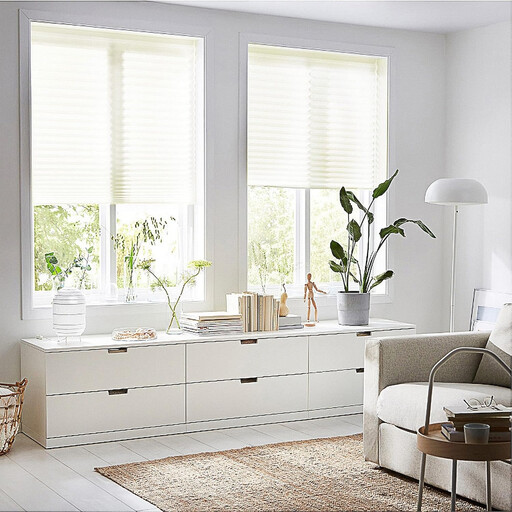
Why it suits this buyer: This compact model can be fitted using either clamps or adhesive fittings, making it suitable for smaller indoor windows in living rooms, bedrooms or studies.
The stated dimensions and fitting options make it easier to choose. Check the frame width and surface condition first.
Beige polyester fabric, adjustable height and designed for indoor windows and doors.

Why it suits this buyer: Its double honeycomb structure and metal frame are designed to block light, with an adjustable position for flexible use.
The specified frame thickness of 10–23 mm clearly defines which frames it fits, helping to prevent orders based on unverified clamp-fit compatibility.
Light-blocking polyester fabric, no-drill clamp fitting and operation using top and bottom handles.

Why it suits this buyer: For bedrooms, offices or windows exposed to strong sunlight, this blind offers handle-operated height adjustment without a control chain.
The required frame thickness of 16–22 mm is clearly stated, so you can check whether the clamp fittings will suit your window before you buy.
Chain-free operation, polyester fabric with a coated backing, and clamp or screw fitting options.
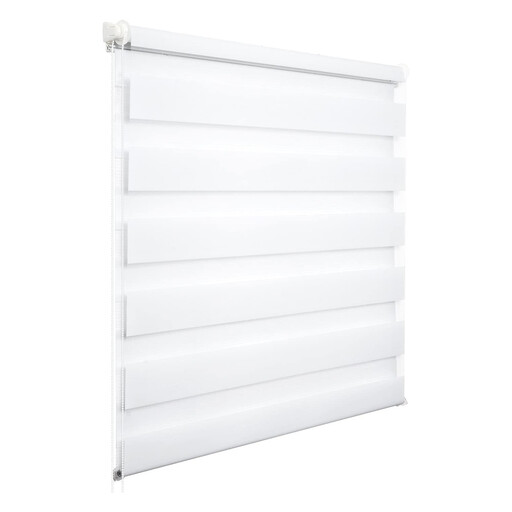
Why it suits this buyer: Alternating transparent and opaque fabric strips let you adjust the light to suit living rooms, kitchens or offices.
Rather than making a vague claim about blackout performance, the description explains how the two fabric layers work. You can adjust the amount of light using the chain.
Clamp fitting for frames measuring 13–23 mm, a chain that can be fitted on the left or right, and easy cleaning with a soft cloth.
We’ve put together a complete, regularly updated list of products that meet these strict selection criteria and fully comply with the safety regulations in force in the EU.
Before fitting, clean the window frame with a suitable cloth that leaves no residue, then allow it to dry completely. Position clamp fittings evenly on the frame. If you are using adhesive fittings, avoid putting unnecessary strain on the adhesive at first.
For care, a dry or slightly damp soft cloth is usually all you need. Harsh cleaning products, abrasive cleaners and vigorous rubbing can damage the polyester fabric, coating or pleated structure. Durability depends on factors including how often the blind is used, exposure to sunlight, moisture and the stability of the fittings. Regular checks help you spot any fittings that are coming loose.
Depending on the model, you can fit it using clamp brackets, adhesive fittings or suction cups. No-drill clamp-fit systems hook onto the window sash and require a compatible frame. Always follow the fitting instructions supplied with the product.
A model described as blackout or room-darkening can make the fabric area very dark. However, gaps at the sides, light entering at the top or an incorrectly sized blind can still let light into the room. Choosing a sufficiently wide blind is essential if you want to minimise incoming light.
There is no standard lifespan. It depends on the materials, how the blind is fitted and used, and the room’s conditions. Gentle operation, dry adhesive surfaces and regular checks of the fittings can help it last longer.