
Lieferung heute & morgen

Qualitätsgarantie

Willkommens-Angebote freischalten: KOSTENLOSE Lieferung | Bis zu 80 % RABATT | Kostenlose 30-Tage-JoyPlus-Testphase
App herunterladen
As your Joybuy Product Recommendation Officer, I see daily how simple a great window treatment can be—and how frustrating a bad purchase is. Especially with no-drill pleated blinds, small details can be the difference between satisfaction and annoyance. Many renters and homeowners are looking for a quick, damage-free solution for privacy and sun protection. Yet, the market is flooded with products whose shortcomings only become apparent after unboxing.
This guide will help you navigate the common pitfalls. We'll focus on the objective criteria that truly matter, so you can make an informed decision and find a solution that works for the long haul.
Before we get to the solutions, let's understand the problems. Many disappointments can be traced back to three recurring misunderstandings, often fueled by unclear product descriptions.
To avoid these mistakes, you should check three core features before buying. These define whether a no-drill pleated shade is suitable for your window.
Not all no-drill installations are the same. The method must match your window type.
The choice of fabric determines the room's atmosphere and the level of privacy.
Instead of making a blanket recommendation, we have selected products that meet specific needs and cleverly avoid the pitfalls mentioned.
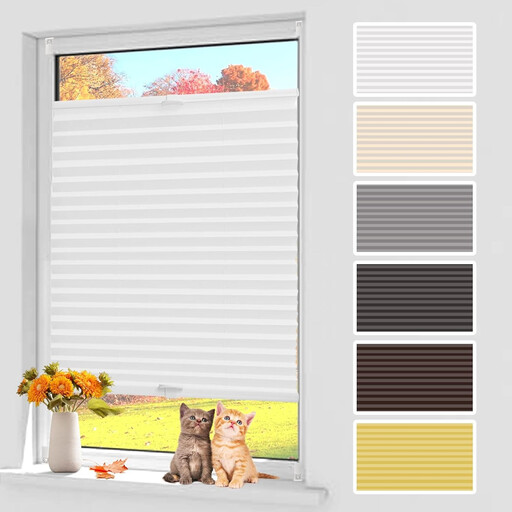
Why This Fits Their Persona: Ideal for renters who need an effective and affordable blackout solution for standard bedroom windows. The damage-free installation is a crucial advantage in rental properties.
The clear labeling as "Blackout" prevents confusion with merely opaque fabrics. The set includes both clamp and adhesive brackets, offering a solution even if the clamp-fit isn't perfect.
Offers high flexibility in installation (clamp or adhesive). The blackout function is a strong feature in this price range.
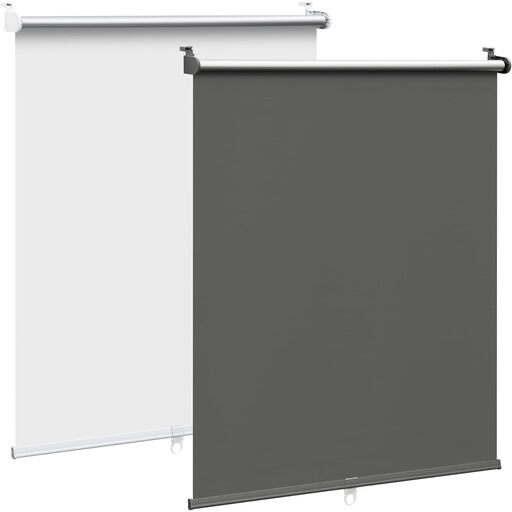
Why This Fits Their Persona: For users who value additional features like thermal insulation and a modern, clean look in addition to light control. The cordless design is safe and minimalist.
The product description explicitly states that the fabric width is approx. 4 cm narrower than the order width. This helps prevent measurement errors. The silver coating provides a verifiable basis for the thermal property.
The thermal insulation from the silver coating can help regulate room temperature. The cordless design enhances safety, especially in households with children.
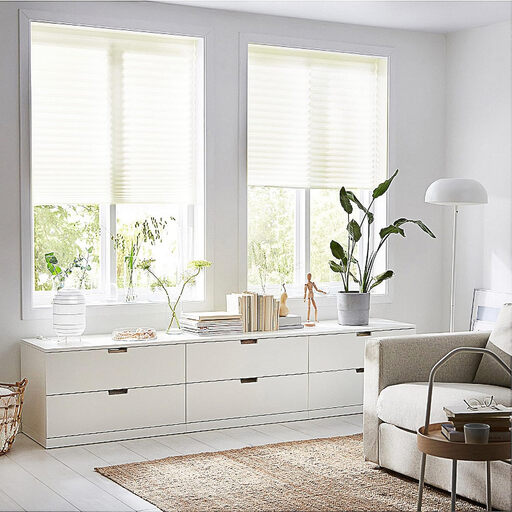
Why This Fits Their Persona: Perfect for floor-to-ceiling windows or balcony doors where standard lengths are insufficient. The light-filtering property provides privacy without completely darkening the room.
The clear size specification of 200 cm in height solves the problem for tall windows. The explicit mention of the "glass width + 4 cm" measuring rule in the description actively helps to avoid the error of side light gaps.
The generous height of 200 cm covers most standard balcony doors. The combination of clamp and adhesive mounting offers high compatibility with various window types.
We've compiled a complete, up-to-date list of products that fully meet these strict selection criteria and local regulations.
1. How securely do clamp-fit pleated blinds really hold? When correctly installed on a suitable uPVC window frame, clamp-fit pleated blinds hold very reliably. The key is that the thickness of the window sash (measured without the rubber seal) exactly matches the specifications of the clamp bracket. For very wide or heavy blinds, as well as on old wooden windows, a screw-mounted installation may be more stable in the long run.
2. Can I install a no-drill pleated blind on a fixed window? Yes, that's possible. While clamp brackets are designed for window sashes that open, adhesive pleated blinds are excellent for fixed glazing. With this method, special brackets with adhesive pads are stuck directly onto the window frame. For a permanent bond, it is essential to thoroughly clean and degrease the surface beforehand.
3. What is the difference between "opaque" and "blackout"? An opaque fabric protects against prying eyes and ensures privacy. However, it still allows diffuse daylight into the room. A blackout fabric, on the other hand, is designed to reduce light ingress as much as possible. It is therefore particularly suitable for bedrooms or home cinemas. These fabrics often have a special coating on the back to maximize their light-blocking effect.