
Lieferung heute & morgen

Qualitätsgarantie

Willkommens-Angebote freischalten: KOSTENLOSE Lieferung | Bis zu 80 % RABATT | Kostenlose 30-Tage-JoyPlus-Testphase
App herunterladen
As a renter or homeowner, you know the problem: you need effective privacy or sun protection but don't want to damage your window frames with drill holes. A no-drill roller blind is the go-to solution. However, the market is flooded with products of widely varying quality and functionality. Misleading claims and inadequate product information often lead to a purchase you'll regret.
This guide will help you identify the crucial features and avoid common pitfalls, ensuring you find a suitable and durable solution for your windows.
Many buyers focus on colour and price, overlooking the technical details that determine everyday usability. Watch out for these three typical problems:
To avoid a purchase mistake, you should check three key aspects before making a decision. These determine the functionality, durability, and fit of your new blind.
The attachment method is the heart of any no-drill blind. The most common method is the clamp-on blind, also known as a Klemmfix blind.
The fabric determines how much light enters the room and what additional functions the blind serves.
In addition to the classic roller blind, there are specialised versions for different needs.
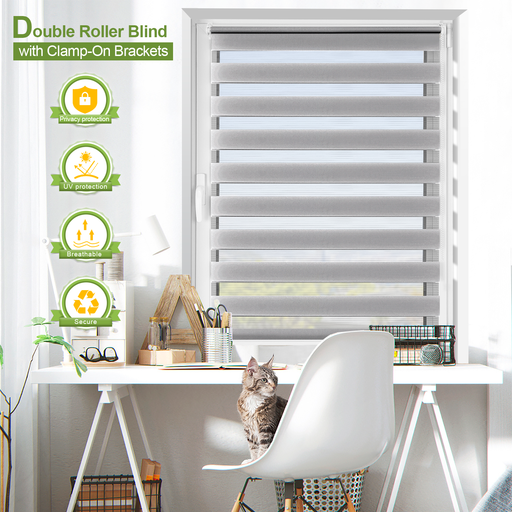
Why it's a good fit: Ideal for living rooms or home offices where light conditions change throughout the day. The flexible control over light and privacy makes it a practical everyday solution.
The dual roller design with alternating stripes solves the problem of impractical operation by allowing for seamless light adjustment without having to fully raise or lower the blind.
Seamless light control via two parallel fabric panels. Installation is tool-free using the included clamp brackets.
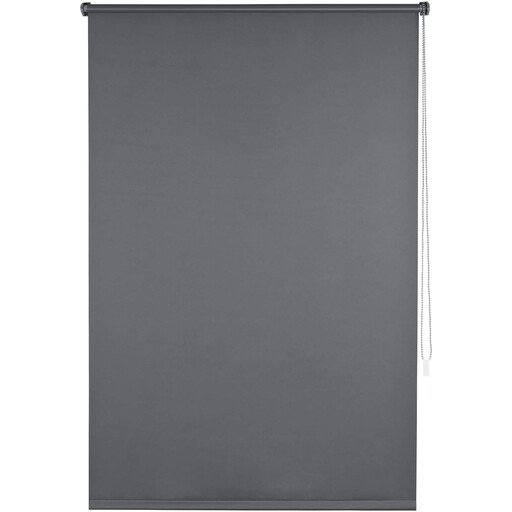
Why it's a good fit: For those who need near-total darkness in a bedroom or nursery. The added thermal function is a practical bonus for improving the room's climate.
This blind avoids the "inferior fabric quality" pitfall with a special aluminium coating on the back, which the manufacturer states ensures high light-blocking capability and thermal insulation.
Provides blackout and thermal insulation in one. Installation is flexible via the clamp-on system or optional screw mounting.
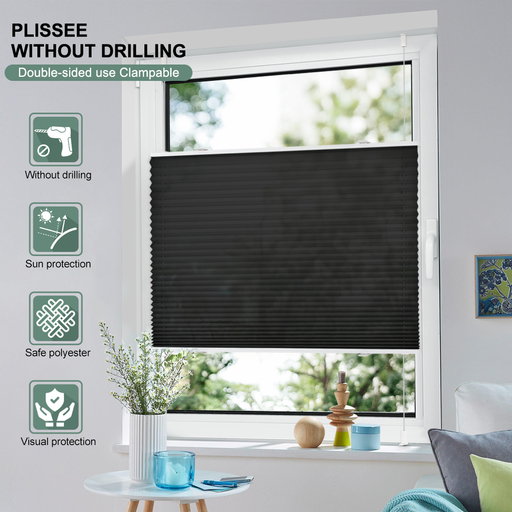
Why it's a good fit: A straightforward and modern solution for windows where variable privacy is needed. Ideal for rental apartments, kitchens, or bathrooms where easy installation and maintenance are a priority.
The tool-free clamp-on system is designed for quick and easy installation, thus avoiding the pitfall of incompatible or complicated fittings. The adjustable brackets ensure a precise fit.
Opaque fabric for good privacy while still allowing light to filter through. The pleated design allows for flexible positioning on the window.
We have compiled a comprehensive, up-to-date list of products that fully meet these strict selection criteria and relevant safety regulations.
First, measure the width of the glass pane. For good coverage, it's recommended to choose an order width that is approx. 4 cm wider than the glass (a 2 cm overlap on each side), without obstructing the window handle. Second, measure the thickness of your window sash (the frame that opens) to ensure the clamp brackets will fit. Most brackets are designed for frame thicknesses of 15 to 25 mm.
A dual roller blind consists of two fabric panels with alternating transparent and opaque stripes, allowing for seamless light control. A pleated blind is a single, folded fabric shade that is often tensioned and can be flexibly moved up or down to cover specific areas of the window.
Clamp-on systems are primarily designed for standard uPVC windows with an opening sash. They are often not suitable for fixed glazing, skylights, or very thick wooden window frames. For such cases, there are alternative systems with suction cups or adhesive brackets, but their suitability must be checked on a case-by-case basis.