
Lieferung heute & morgen

Qualitätsgarantie

Willkommens-Angebote freischalten: KOSTENLOSE Lieferung | Bis zu 80 % RABATT | Kostenlose 30-Tage-JoyPlus-Testphase
App herunterladen
A no-drill double roller blind is an attractive solution for many renters and homeowners. It promises flexible privacy and sun protection, a modern aesthetic, and, most importantly, an installation that leaves no permanent damage on window frames or walls. However, the selection process is fraught with pitfalls that often only become apparent after the purchase. Unsuitable clamp brackets, low-quality fabric, or incorrect measurements can quickly lead to frustration. This guide will show you what to look for to avoid bad buys and find the perfect solution for your windows.
To avoid the problems mentioned above, you should check three essential technical features before buying. These determine the durability, fit, and functionality of your new blind.
The heart of any no-drill blind is the clamp bracket. Pay attention to the following points:
A duo blind for windows, also known as a zebra blind or day and night blind, consists of alternating transparent and opaque fabric panels.
translucent for gentle privacy and dim-out for bedrooms. The opaque stripes of a dim-out blind block more light but rarely offer 100% blackout like a specialised blackout blind.To ensure optimal coverage and functionality, measuring correctly is essential.
Instead of an overwhelming list, we present a few models tailored to specific user profiles.
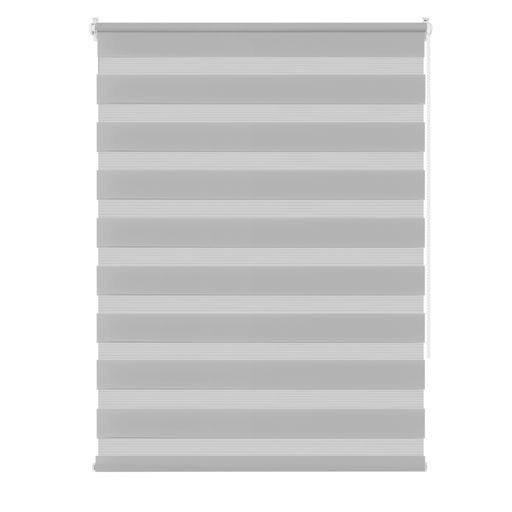
Why it's a good match: Ideal for rental properties where a simple, residue-free, and functional solution for standard uPVC windows is needed. The neutral colour complements many interior design styles.
The included clamp brackets are designed for common window frame thicknesses and provide a stable, drill-free installation. The polyester fabric is robust enough for daily use.
Offers the full functionality of a day-and-night blind at an accessible price point. Installation is tool-free and can be completed in minutes.
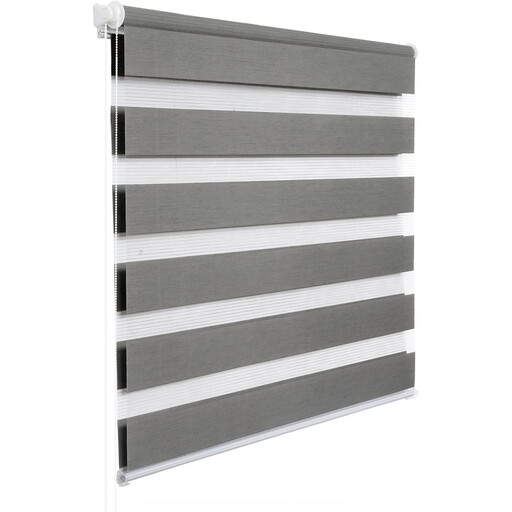
Why it's a good match: For those seeking more than just a functional solution. The wood-look finish adds a warm, natural accent and stands out from standard colours, making it ideal for living rooms and home offices.
According to the manufacturer, the fabric is processed using a hot-cutting method to prevent fraying. The clamp brackets are designed for a common frame thickness of 1.3-2 cm.
Combines the flexibility of a duo blind with a distinctive aesthetic. The chain hoist can be mounted on either the left or right side.
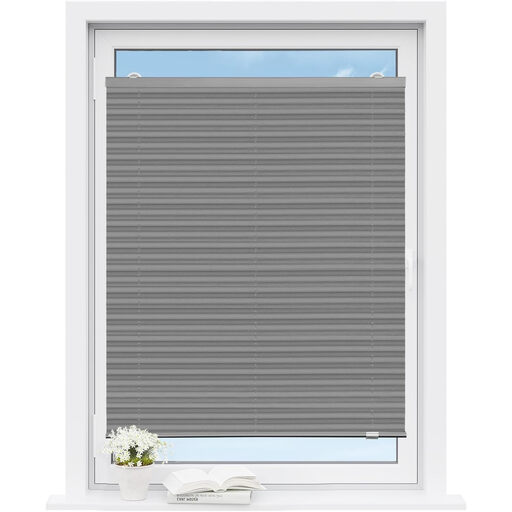
Why it's a good match: An alternative to clamp-on blinds, ideal for windows where clamping is not possible, such as fixed-pane windows, balcony doors, or even some skylights. Installation is done via suction cups directly on the glass.
This `no-drill pleated blind` completely bypasses the problem of ill-fitting clamp brackets by using a different mounting technology. It is a targeted solution for non-standard installation situations.
Extremely flexible installation on any smooth surface. The pleated blind can be seamlessly adjusted from both the top and bottom, allowing for very precise control over light and privacy.
We have compiled a complete, up-to-date list of products that fully meet these strict selection criteria and UK regulations.
1. Can I install a no-drill double roller blind on a wooden window? Most clamp-on blind systems are designed for modern uPVC windows with a specific frame thickness. On wooden windows, the frame shape is often rounded or profiled, which can compromise the secure hold of the clamp brackets. Some manufacturers explicitly advise against use on wooden windows. Therefore, always check the product description or consider an alternative like a pleated blind with suction cup mounting.
2. How do I clean a duo roller blind? Cleaning is straightforward. For most polyester models, it is sufficient to regularly dust the fabric with a soft brush or the brush attachment of a vacuum cleaner on the lowest setting. Light stains can be gently removed with a slightly damp cloth. Avoid aggressive cleaning agents, as they could damage the material or the colour.
3. What is the lifespan of a clamp-on, side-pull roller blind? The lifespan heavily depends on the quality of the components and the frequency of use. A blind with sturdy clamp brackets and thermally sealed fabric can last for several years with normal use. The chain pull mechanism is another component whose longevity depends on the quality of its construction. Models with a child safety device on the chain often offer additional stability.