
Lieferung heute & morgen

Qualitätsgarantie

Willkommens-Angebote freischalten: KOSTENLOSE Lieferung | Bis zu 80 % RABATT | Kostenlose 30-Tage-JoyPlus-Testphase
App herunterladen
Finding the right privacy or sun protection for your windows can quickly become complicated, especially in rental apartments where drilling into the window frame is often undesirable or even prohibited. A no-drill roller blind seems like the ideal solution. However, the market is flooded with products of widely varying quality and fit. Before you make a decision you'll later regret, you should know the most common pitfalls.
Many buyers only realize after installation that the blind wobbles, doesn't close properly, or lets light seep in at the sides. These issues can often be traced back to three fundamental mistakes:
To avoid these problems, it's crucial to focus on the core technical parameters instead of being swayed by marketing promises.
The clamp-fit roller blind is the most popular no-drill solution. It involves clamping adjustable brackets directly onto the window sash. The decisive factor for a stable hold is the window frame thickness.
An alternative for smooth surfaces can be a no-drill pleated blind, which is attached using adhesive or suction cup mounts.
Different types of roller blinds are suitable depending on your specific needs. The material properties determine the function.
Correct measurement is essential to avoid light gaps at the sides. Stick to a simple rule:
Instead of presenting an overwhelming list, we have selected products for specific requirement profiles.
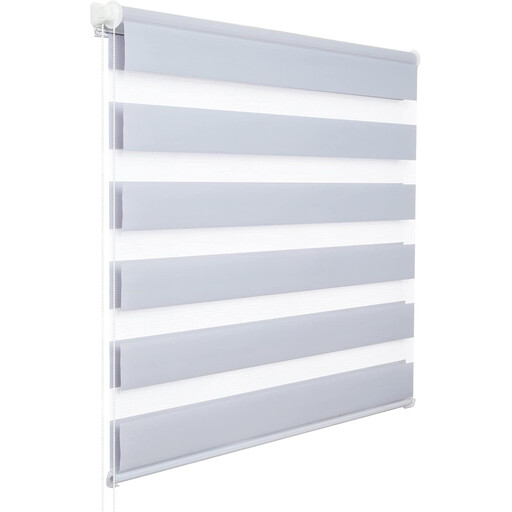
Why it's a great fit: Ideal for tenants seeking a flexible solution for living rooms or offices. The dual roller design allows for seamless adjustment of light and privacy without completely darkening the room. The installation is reversible and leaves no damage.
The clamp brackets are designed for a common window frame thickness of 13-23 mm. The manufacturer's clear measurement guide helps to avoid the mistake of choosing the wrong width.
Flexible light control through alternating transparent and opaque strips (zebra blind function). The pull chain can be mounted on either the left or right side.
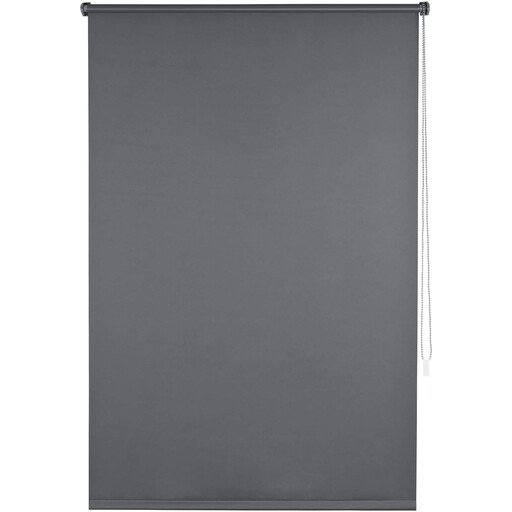
Why it's a great fit: Designed for those who need maximum darkness in a bedroom or nursery. The special coating effectively blocks light and contributes to thermal insulation, enhancing sleep comfort.
The aluminium coating on the back is a clear quality indicator for blackout performance and durability, unlike sprayed-on layers that can peel off.
Provides nearly 100% blackout effect according to the manufacturer. The thermal coating helps regulate room temperature and can contribute to lowering energy costs.
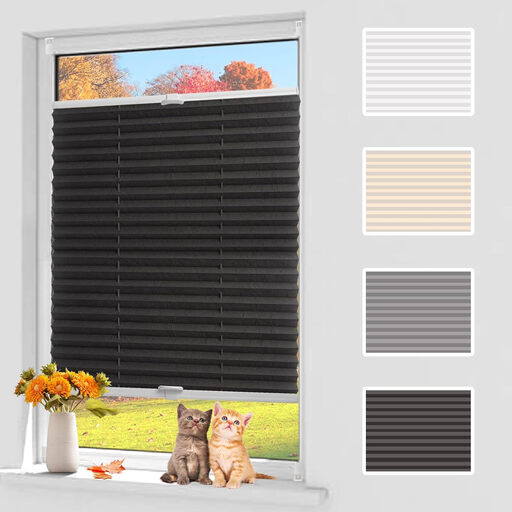
Why it's a great fit: For design-conscious users who want a minimalist and highly flexible window treatment. The pleated blind can be adjusted from both the top and bottom, allowing for precise control over privacy and light.
The clamp-fit system is designed for easy installation. The clear width specification and modern look prevent you from choosing an ill-fitting or dated product.
High flexibility thanks to seamless adjustment from top and bottom. The sleek, folded design integrates perfectly into modern interior styles and appears less bulky than a classic roller blind.
We've compiled a complete, up-to-date list of products that fully meet these strict selection criteria and German regulations.
The stability of a clamp-fit roller blind depends critically on two factors: correctly measuring the window frame thickness and the quality of the clamp brackets. If the bracket fits the frame precisely and is made of robust material, the blind will offer a secure and durable hold for everyday use. Always check the thickness range specified by the manufacturer for the clamp brackets before purchasing.
Most clamp-fit systems are optimized for uPVC windows. With wooden windows, there is a risk that the clamp brackets could damage the paint or the wood, or fail to find a secure grip, especially on older or profiled frames. Some manufacturers offer special solutions, but in many cases, a no-drill installation on wooden windows is not recommended. An alternative could be a pleated blind with adhesive mounts, provided the surface is smooth and clean.
A dual roller blind (or zebra blind) consists of two parallel fabric panels with alternating transparent and opaque stripes. By shifting the panels relative to each other, you can regulate the amount of light. It is rolled up and down like a classic roller blind. A pleated blind consists of a single, pleated fabric panel. It is not rolled but concertinas together. Its main advantage is that it can often be positioned freely on the window, meaning it can be adjusted from the top down as well as from the bottom up.