
Lieferung heute & morgen

Qualitätsgarantie

Willkommens-Angebote freischalten: KOSTENLOSE Lieferung | Bis zu 80 % RABATT | Kostenlose 30-Tage-JoyPlus-Testphase
App herunterladen
As a renter or homeowner, you often face the same dilemma: you need effective privacy and sun protection but don't want to damage your window frames with drill holes. A no-drill roller blind seems like the ideal solution. However, the market is flooded with products of widely varying quality and functionality. False promises and unclear product descriptions can quickly lead to a poor purchase.
This guide will help you identify the crucial features and avoid the three most common purchasing traps, enabling you to make an informed decision.
Before making a choice, you should be aware of the typical problems that can arise with low-quality products.
To avoid these pitfalls, focus on three core technical parameters. These determine the functionality, durability, and fit of your roller blind.
The most common method for a no-drill roller blind is the Clip-Fix system. This involves clamping adjustable brackets directly onto the window sash.
The fabric determines the primary purpose of the blind.
Besides the classic no-drill window blind, there are specialised variants.
Here are some recommendations tailored to different needs and living situations.
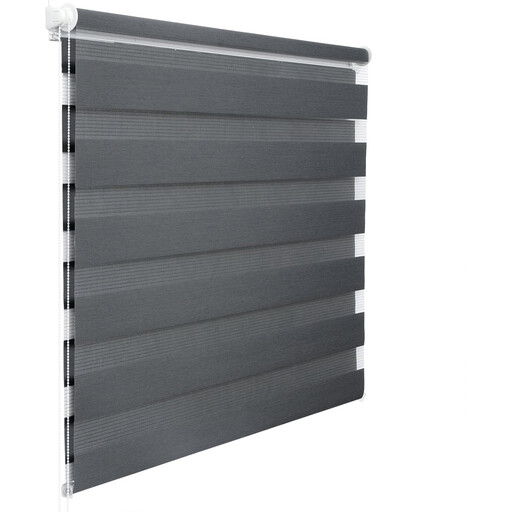
Why This Fits Their Persona: A practical and flexible solution for rental properties. The dual roller blind allows for variable control of light and privacy without requiring permanent installation. Ideal for living rooms or home offices.
The product description clearly states that the fabric width is approx. 4-5 cm narrower than the total width, which avoids the trap of misleading measurements. The clamp brackets are designed for a specific window frame thickness (13-23 mm).
Infinitely variable light control thanks to alternating transparent and opaque fabric panels. The chain mechanism can be mounted on either the left or right side.
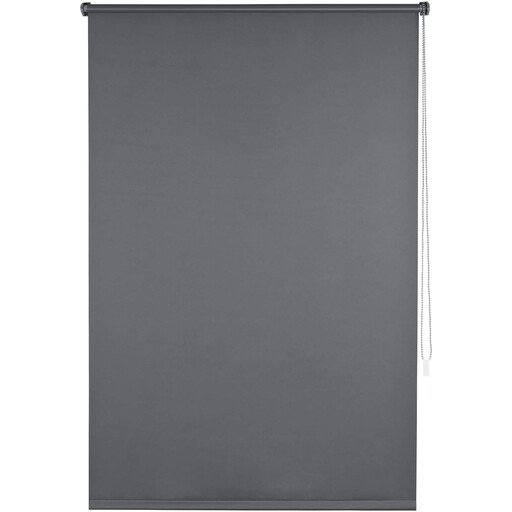
Why This Fits Their Persona: Perfect for bedrooms, nurseries, or home cinemas where near-total darkness is required. The thermal function is an added bonus for enhanced living comfort.
This blind avoids the trap of false blackout claims by using a special aluminium coating on the back, which blocks almost 100% of light according to the manufacturer. It is clearly positioned as a blackout product.
The thermal coating has an insulating effect, which can help regulate room temperature. It also offers two mounting options: no-drill clip-fix and screw mounting for a permanent hold.
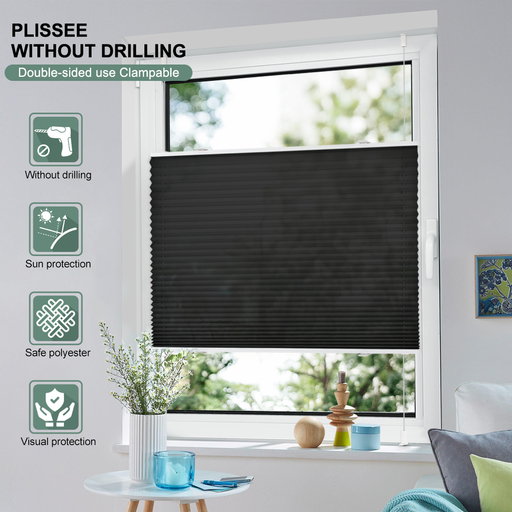
Why This Fits Their Persona: For users seeking a modern alternative to the classic roller blind. The pleated design offers a delicate look and is well-suited for rooms where both privacy and some natural light are desired.
The product is clearly declared as an opaque privacy and sun screen, not a blackout product. This avoids false expectations. The tool-free clip-fix mounting provides a straightforward and damage-free solution.
The opaque fabric protects privacy while allowing diffuse daylight to pass through. The pleated structure of the blind offers an elegant and space-saving window decoration.
We've compiled a complete, up-to-date list of products that fully meet these strict selection criteria.
Measure the width of the glass pane. To minimise light gaps on the sides, the fabric should be about 2 cm wider than the pane on each side. The order width of the blind usually corresponds to the total width, including the brackets. Make sure the total width does not interfere with the window handle. Always read the manufacturer's measurement guide, as it will specify the difference between fabric width and total width.
When installed correctly on a suitable window frame (usually uPVC) and within the manufacturer's specified frame thickness, high-quality clamp brackets will not cause damage. Many brackets are equipped with protective pads made of plastic or felt to prevent pressure marks. However, caution is advised when tightening excessively or on sensitive wooden frames.
A no-drill dual roller blind controls light by shifting two fabric panels with alternating stripes. You can adjust it from transparent to opaque. A no-drill pleated blind consists of a single, folded fabric panel. It collapses like an accordion and often offers the flexibility to be positioned anywhere on the window, meaning it can be opened from both the top and the bottom.