
Lieferung heute & morgen

Qualitätsgarantie

Willkommens-Angebote freischalten: KOSTENLOSE Lieferung | Bis zu 80 % RABATT | Kostenlose 30-Tage-JoyPlus-Testphase
App herunterladen
Whether you're a renter or a homeowner, you know the dilemma: you need effective privacy and sun protection but don't want to drill into your window frames. A no-drill roller blind is the ideal solution here. However, the market is flooded with products of widely varying quality. Misleading claims and unclear product details often lead to frustration—the blind doesn't fit, won't stay up, or fails to darken the room properly.
This guide will help you navigate the common pitfalls. We'll show you the crucial features to look for to find a durable and functional solution for your windows, without falling for empty marketing promises.
Many buyers focus only on colour and price, overlooking the technical details that determine everyday usability. Avoid these three common problems:
To make an informed decision, you should focus on three core parameters. These determine the fit, functionality, and longevity of your new roller blind.
The most common method is the clamp-on roller blind, also known as a clip-on blind. Here, adjustable brackets are simply clamped onto the window sash.
Different types are suitable depending on the room and your requirements.
This is the most critical step to minimise light leakage from the sides.
Here are some product recommendations tailored to specific needs and living situations.
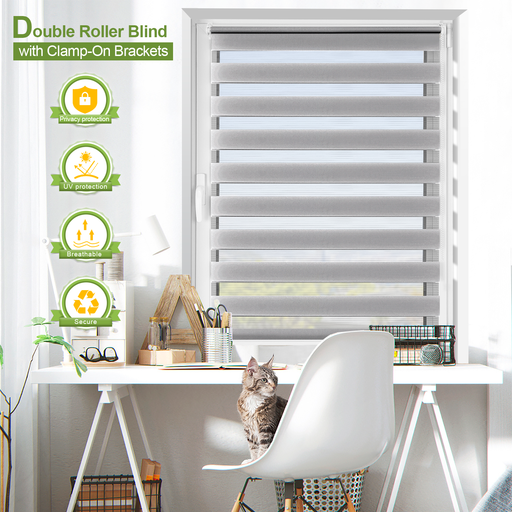
Why it's a great fit: Ideal for living rooms or home offices where light conditions change throughout the day. The clamp-on installation is straightforward and leaves no marks—perfect for renters.
The system uses adjustable clamp brackets designed for common window sash thicknesses, providing a stable hold without damaging the frame.
The dual roller blind's alternately woven fabric panels allow for seamless adjustment of privacy and light with a single pull.
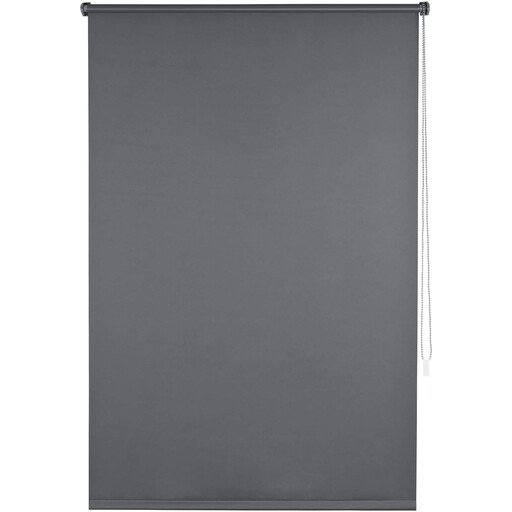
Why it's a great fit: For anyone who needs complete darkness for a restful night's sleep. The added thermal function is a practical bonus for bedrooms and children's rooms.
This blind addresses the problem of inadequate blackout with a special aluminium coating on the back, which the manufacturer claims blocks nearly 100% of light.
Combines two functions in one product: effective blackout and thermal insulation, which can contribute to a better room climate and potential energy savings.
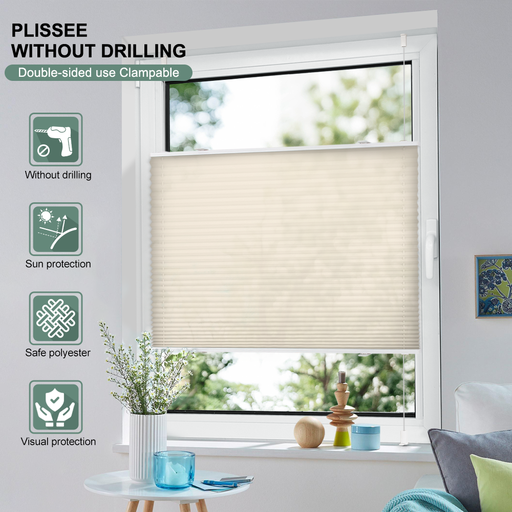
Why it's a great fit: For those seeking a modern alternative to the classic roller blind and wanting maximum flexibility in positioning their privacy screen, for example in bathrooms or on the ground floor.
The clamp-on system is specifically designed for easy, damage-free installation. The precise folding of the fabric ensures a clean look without warping.
The pleated blind can be freely positioned on the window—top, bottom, or in the middle. This allows for customised privacy without completely darkening the room.
We have compiled a complete, up-to-date list of products that fully meet these strict selection criteria and UK safety regulations.
1. Will a clamp-on blind fit any window? No, most clamp-on systems are designed for modern uPVC windows with a sash thickness of about 15 to 25 mm. They are generally not suitable for wooden windows with profiled edges, fixed-pane windows (that don't open), or sloped skylights. Be sure to measure the thickness of your window sash before purchasing.
2. Can a no-drill blind provide a complete blackout? Yes, but only if you choose a special no-drill blackout blind. Look for a light-proof coating on the back of the fabric. To minimise light leakage from the sides, it is also crucial to select an order width that allows the fabric to overlap the glass pane by a few centimetres on both sides.
3. What is the lifespan of clamp-on blinds? Durability heavily depends on the quality of the materials and the frequency of use. Models with sturdy clamp brackets made of metal or high-quality plastic and a robust fabric can last for several years with normal use. Cheaper models with simple plastic parts are more prone to premature wear and tear.