
Lieferung heute & morgen

Qualitätsgarantie

Willkommens-Angebote freischalten: KOSTENLOSE Lieferung | Bis zu 80 % RABATT | Kostenlose 30-Tage-JoyPlus-Testphase
App herunterladen
As a renter or homeowner looking to avoid unsightly drill holes in window frames or walls, you face a challenge: How do you find a reliable privacy and sun protection solution that can be installed without tools? The market for no-drill roller blinds is vast, but not every solution delivers on its promise. Many products turn out to be a poor investment due to design flaws that only become apparent after a few weeks.
This guide will help you navigate the common pitfalls. We'll show you which technical details truly matter, so you can make an informed decision and find a product that is both durable and functional.
Before you make a purchase, you should be aware of the three most common problems that occur with low-quality products:
To avoid these problems, you should check three key parameters. These form the basis for a durable and perfectly fitting solution for your windows.
The type of installation is crucial for a stable hold. Each method has specific use cases:
The fabric determines how much light enters the room and how much privacy you enjoy.
Measure precisely to avoid light gaps on the sides. A reliable rule of thumb is: the order width should exceed the width of the glass pane by about 4 cm (2 cm on each side). Note that the specified fabric width is always narrower than the total width of the blind, including the brackets. Check this detail in the product description to ensure the pane is completely covered.
Here is a selection of products tailored to specific needs and living situations.
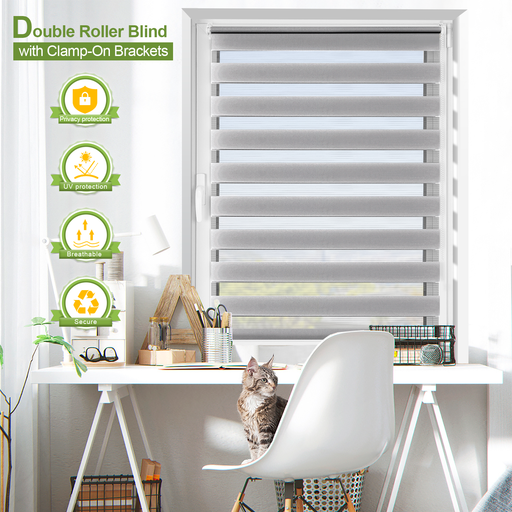
Why it's a great fit: Ideal for rental properties where a flexible, residue-free removable solution is required. The dual roller design allows for both privacy and light control as needed.
The clamp-fix system is designed for common window frame thicknesses and provides a more stable hold than simple adhesive solutions, minimizing the risk of it falling.
The alternating fabric panels (Zebra blind) offer seamless light regulation, making it a versatile all-in-one solution for day and night.
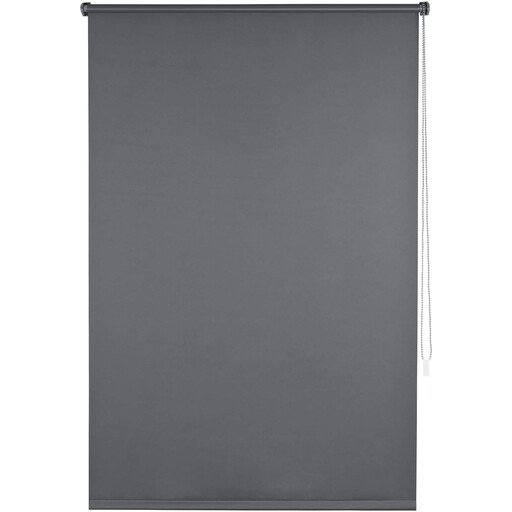
Why it's a great fit: For those who prioritize complete darkness for a restful sleep. The thermal coating also helps to regulate the room temperature.
The product description provides clear guidance on the fabric width (approx. 4 cm narrower than the total width), which allows for precise measurement and prevents side light gaps.
The special aluminium coating on the back effectively blocks light and has a thermal insulating effect, which can help cool the room in summer and retain heat in winter.
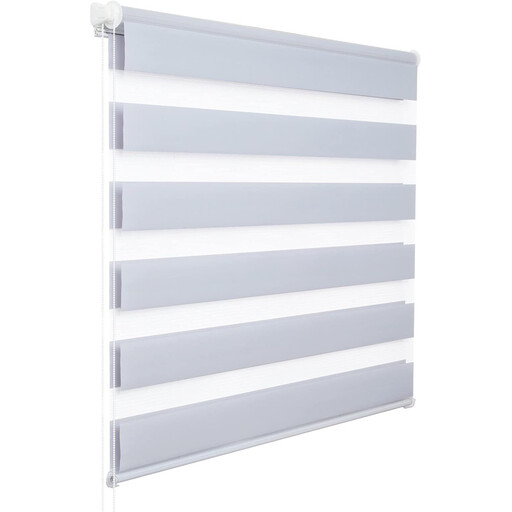
Why it's a great fit: With a height of 220 cm, this blind is specifically designed for floor-to-ceiling windows or standard balcony doors, for which shorter blinds are unsuitable.
The 100% polyester material with thermally cut edges prevents fraying, which ensures longevity, especially with long fabric panels and frequent use.
Offers both a clamp-fix option for rental properties and an included screw set for permanent installation, providing flexibility for different living situations.
We have compiled a complete, up-to-date list of products that fully meet these strict selection criteria and safety regulations.
1. How do I measure correctly for a clamp-fix roller blind? Measure the width of the glass pane (from seal to seal). Add approximately 4 cm to this measurement to determine the order width. This ensures the fabric slightly overlaps the pane on both sides. For the height, measure the entire height of the window sash. Make sure the blind does not obstruct the window handle.
2. Do no-drill roller blinds really last? Durability heavily depends on the quality of the mounting system and correct installation. High-quality clamp brackets made of robust plastic that fit the window's frame thickness precisely offer a very reliable and long-lasting hold. With adhesive solutions, surface preparation (clean and grease-free) is crucial for long-term adhesion.
3. Can I also install a no-drill pleated blind on a skylight? Standard clamp-fix systems are generally not suitable for sloped roof windows. However, there are special models, such as pleated blinds with suction cup mounts or tensioned systems, that are designed for use on skylights. For this, check the manufacturer's product description for suitability with roof windows. The WOLTU pleated blind with suction cups is an example of such a solution.