
Lieferung heute & morgen

Qualitätsgarantie

Willkommens-Angebote freischalten: KOSTENLOSE Lieferung | Bis zu 80 % RABATT | Kostenlose 30-Tage-JoyPlus-Testphase
App herunterladen
A no-drill double roller blind is an attractive solution for many households, especially in rental properties where permanent alterations to the window frame are undesirable. The ability to flexibly control light and privacy without needing a drill is a key advantage. However, the market is flooded with products of widely varying quality. Before you make a decision, it's crucial to understand the typical weak points that often only become apparent after a few weeks of use.
This guide reveals the three most common defects in clamp-fit blinds and explains which technical features you need to look for to find a durable and functional solution for your windows.
Easy installation is the main selling point for a no-drill window blind. Yet, this is precisely where costly problems lurk, often obscured by inadequate product information.
To avoid these problems, you should base your choice on objective technical parameters rather than being swayed by marketing promises.
The term clamp-fit blind describes the installation method, but not all systems are created equal. The crucial measurement is the permissible frame thickness of the window sash. Measure the thickness of your window frame (excluding the rubber seal) and compare this value with the manufacturer's specifications.
A good clamp-fit system offers adjustable brackets that can be precisely adapted to the respective thickness, ensuring a secure, wobble-free hold.
The functionality of a zebra blind depends on the quality of the fabric. Look for the following features:
A common mistake is incorrectly determining the order width. Note the difference between fabric width and total width.
Rule of thumb for determining the order width: Measure the width of the glass pane (glass width) and add your desired overlap on each side (usually 2 cm per side) to minimise light leakage at the sides. Order Width = Glass Width + approx. 4 cm Ensure that the blind does not interfere with the window handle.
Based on these objective criteria, we have identified products that are suitable for specific use cases.
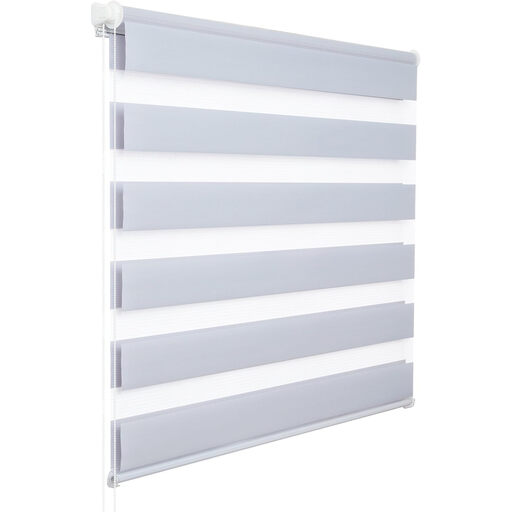
Why This Fits Their Persona: This model is designed for the most common window types in residential properties. It offers a straightforward solution for standard uPVC windows where a no-drill, clamp-on privacy blind is desired.
The clamp-fit system is clearly specified for a frame thickness of 1-10 mm, which minimises the risk of a bad buy. The edges of the polyester fabric are thermally sealed to prevent fraying.
Simple, no-drill installation for narrow window frames. The chain pull can be mounted on either the left or right side, increasing flexibility.
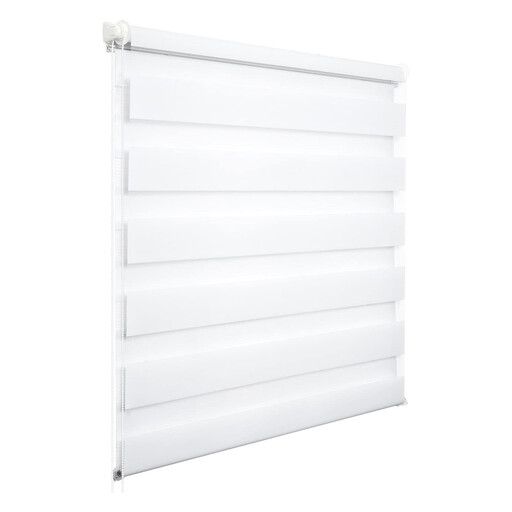
Why This Fits Their Persona: Ideal for homeowners or renters with newer, energy-efficient windows, which often have a thicker frame. The generous dimensions also make it suitable for floor-to-ceiling windows or balcony doors.
The clamp brackets are designed for a frame thickness of 13-23 mm, covering the range where standard mounts fail. This ensures a stable and secure fit on modern windows.
High compatibility with wide window frames. The robust structure and dimensionally stable polyester fabric ensure a long service life, even on large window surfaces.
We have compiled a complete, up-to-date list of products that fully meet these strict selection criteria.
Measure the width of the glass pane and add approximately 4 cm to get the order width. This ensures sufficient overlap on the sides. The height should correspond to the height of the entire window sash. Always check the manufacturer's specific measuring instructions.
The clamp-fit installation is primarily designed for uPVC (plastic) windows. For most wooden windows, clamping is not possible or not recommended due to the frame's shape and material, as it could damage the surface. The products presented here are not suitable for wooden windows, according to the manufacturer's specifications.
Most polyester double roller blinds are very low-maintenance. For cleaning, it is usually sufficient to gently dust the fabric with a soft brush or a dry microfibre cloth. For light stains, a slightly damp cloth can be used. Avoid harsh cleaning agents, as they could damage the fabric.