
Lieferung heute & morgen

Qualitätsgarantie

Willkommens-Angebote freischalten: KOSTENLOSE Lieferung | Bis zu 80 % RABATT | Kostenlose 30-Tage-JoyPlus-Testphase
App herunterladen
A no-drill roller blind is a convenient solution for rental properties and for anyone who wants to avoid damaging their window frames. However, the market is flooded with products of widely varying quality. False promises and vague product descriptions often lead to disappointment: mounting clips that fail after a few weeks, fabrics that don't truly provide a blackout effect, or measurements that ultimately don't fit.
This guide will help you navigate the typical pitfalls. We'll show you which technical details truly matter, so you can make an informed decision and find a durable, long-lasting solution for your privacy and sun protection needs.
Many products look identical at first glance, but the differences are in the details. Pay attention to these three points to avoid a bad purchase:
To make the right choice, you should focus on objective, technical parameters rather than marketing buzzwords.
The most common method is the clip-on roller blind. This involves clamping adjustable brackets directly onto the window sash. The decisive factor for a secure hold is compatibility with your window sash thickness. Measure the thickness of your window frame (excluding the rubber seal) and compare it with the manufacturer's specifications. Most systems are designed for a thickness of 15 to 22 mm. For other window types, such as fixed-pane windows or wooden doors, adhesive or suction cup solutions are an alternative, though their durability heavily depends on the surface quality.
The function of a blind is determined by its material. Here are the key differences:
Always measure the width of the glass pane before buying. To minimise side light gaps, the fabric width should overlap the glass by about 2 cm on each side. Therefore, calculate: Order Width = Glass Width + approx. 4 cm. Make sure the blind does not collide with the window handle. Manufacturers usually specify the total width; the fabric width is typically 3 to 4 cm narrower.
Based on the criteria mentioned, we have selected a few products for typical use cases.
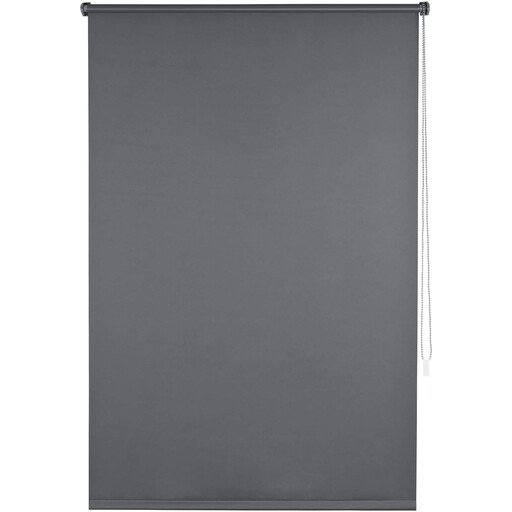
Why This Fits Their Persona: Ideal for those who need absolute darkness for restful sleep. This solution is perfect for bedrooms and children's rooms where streetlights or the morning sun are a nuisance.
This blind avoids the problem of exaggerated claims with a verifiable feature: the reverse side has an aluminium coating that, according to the manufacturer, blocks light and creates an additional thermal barrier.
High Blackout Performance: The special coating ensures the room is effectively darkened. Thermal Function: Contributes to insulation by reflecting heat in the summer and retaining warmth in the winter.
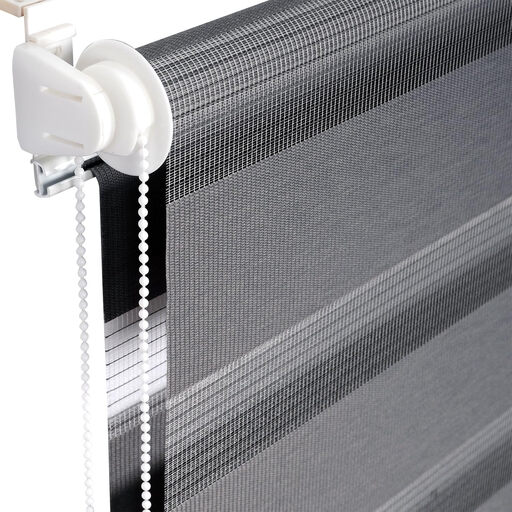
Why This Fits Their Persona: Perfect for users who value aesthetics and flexible functionality. The modern zebra design fits well in living rooms and offices where light levels need to be adjusted throughout the day.
This blind solves the problem of the rigid 'all-or-nothing' functionality of simpler blinds. Instead of just one fabric panel, it offers two, allowing for stepless control of light and privacy without having to fully raise or lower the blind.
Flexible Light Control: The alternating transparent and opaque stripes allow for precise adjustment of light levels. Modern Look: The zebra design is contemporary and serves as a decorative element.
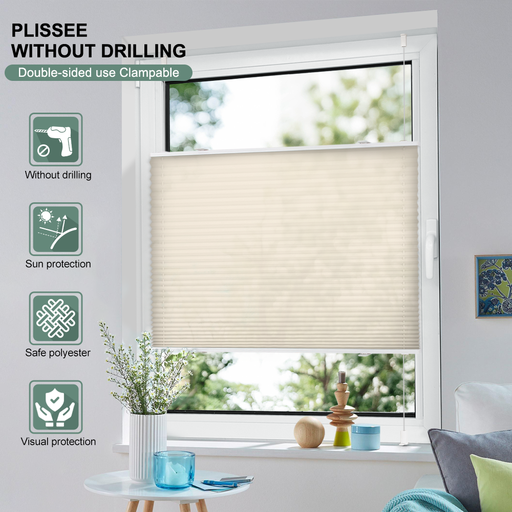
Why This Fits Their Persona: A straightforward and versatile solution for renters who need a quick, damage-free installation. The pleated design is suitable for almost any room, from the kitchen to the home office.
Unlike roller blinds that can only be moved from top to bottom, many pleated blinds are freely adjustable. This avoids the pitfall of inflexible operation. You can position it exactly where privacy or sun protection is needed at any given moment.
Variable Positioning: Can be opened from both the top and the bottom, allowing for flexible adjustment to the sun's position. Space-Saving: Folds into a slim package and is less bulky than a rolled-up blind.
We've compiled a complete, up-to-date list of products that fully meet these strict selection criteria and rigorous safety standards.
Measure the width of the glass pane (the visible glass area). For good coverage and to avoid light gaps at the sides, the fabric width of the blind should overlap the glass by a total of about 4 cm (2 cm on each side). The order width, which usually corresponds to the total width of the blind, will be correspondingly larger. Always check the product description to understand the relationship between fabric width and total width.
Durability largely depends on the quality of the mounting clips and correct installation. Models with robust, adjustable clips made from high-quality plastic or metal offer a very secure and long-lasting hold when correctly fitted to a compatible window sash. Be sure to tighten the clip screws firmly but not excessively, to avoid damaging the material.
Yes, a clip-on window blind can typically also be mounted on balcony or patio doors with glass panels, provided they have a suitable frame for the clips to clamp onto. Here too, measure the thickness of the door frame and ensure the blind does not interfere with the operation of the door handle. For doors without a suitable frame, adhesive or screw-in variants are an alternative.