
Lieferung heute & morgen

Qualitätsgarantie

Willkommens-Angebote freischalten: KOSTENLOSE Lieferung | Bis zu 80 % RABATT | Kostenlose 30-Tage-JoyPlus-Testphase
App herunterladen
A no-drill roller blind is an attractive solution for modern privacy and sun protection, especially in rental properties where damaging the window frame must be avoided. Installation via clamping or adhesive technology promises a quick and straightforward setup. However, not all products live up to their claims. Before you make a decision, you should be aware of three common weaknesses that often lead to unsatisfactory results.
This guide will help you navigate these pitfalls and find a durable, perfectly fitting blind for your needs.
To select the right clamp-fit window blind, you should examine three core aspects. These determine not only the functionality but also the longevity and precision fit of your new window treatment.
The most common method for drill-free installation is the clamp-fit roller blind. This involves attaching adjustable brackets directly onto the window sash.
Different types of blinds are suitable depending on the room and your requirements.
The quality of the material and the operating mechanism are crucial for daily use and long-term durability.
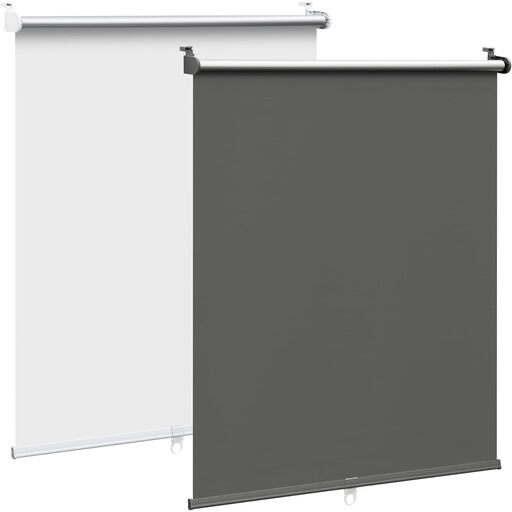
Why This Fits Their Persona: Ideal for bedrooms in rental properties where drilling is not allowed. The cordless operation is safe and straightforward, while the blackout function ensures a restful sleep.
According to the manufacturer, the silver-coated backing effectively blocks light and provides thermal insulation. The clamp brackets are designed for a specific frame thickness (16–22 mm), ensuring a stable hold without slipping.
Combines blackout functionality and thermal insulation in one product. The cordless design enhances safety in households with children.
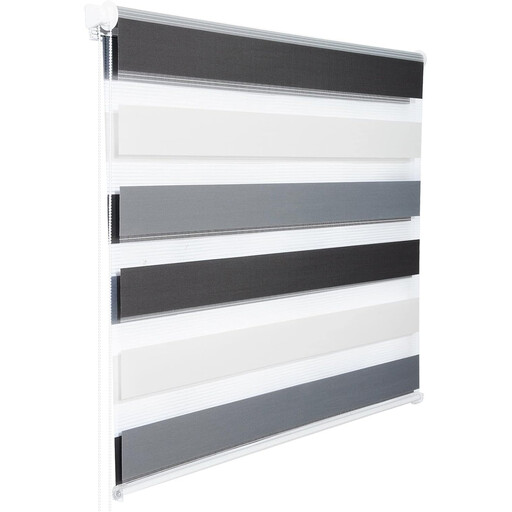
Why This Fits Their Persona: Perfect for living rooms or offices where lighting needs to be adjusted throughout the day without completely darkening the room. The multi-tone design adds a modern touch.
The alternating fabric panels allow for precise and intuitive control of light exposure. The measuring guide is clearly defined (fabric width is approx. 4-5 cm narrower than the total width), preventing incorrect purchases.
Offers seamless adjustment of privacy and brightness. The clamp brackets are suitable for common frame thicknesses of 13-23 mm.
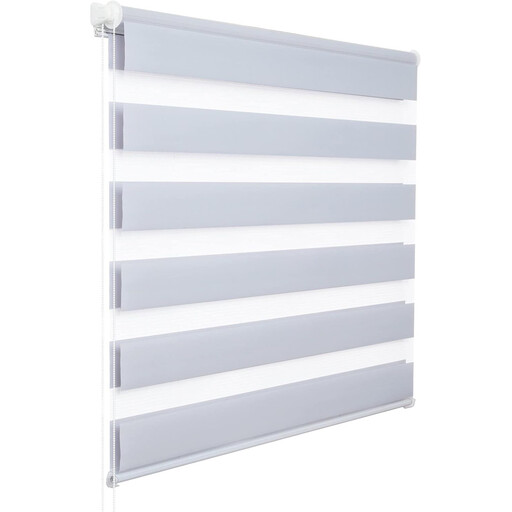
Why This Fits Their Persona: The generous dimensions are ideal for floor-to-ceiling windows or balcony doors that require a robust and easy-to-use solution without drilling into the frame or wall.
The durable polyester fabric with heat-cut edges prevents fraying, even on large surfaces and with frequent use. The chain mechanism is designed for the heavier weight, ensuring reliable operation.
Available in extra-long sizes (e.g., 220 cm) and is smooth to operate even in large formats thanks to the side-pull chain mechanism.
We have compiled a complete, up-to-date list of products that fully meet these strict selection criteria.
First, measure the width of the glass pane (glass width). Add approx. 4 cm (2 cm per side) to this measurement to get the recommended order width. This ensures sufficient overlap and minimises light leakage from the sides. The order height should correspond to the height of the entire window sash. Before ordering, check if the mounted blind could obstruct the window handle.
Yes, provided that the thickness of your window frame matches the manufacturer's specifications (e.g., 13–23 mm). The adjustable clamp brackets are tightened firmly onto the frame, offering a stable hold without the need for screws. Correctly measuring the frame thickness and carefully following the installation instructions are crucial for safety.
A blackout blind consists of a single, opaque fabric panel that provides maximum room darkening. It is the top choice for bedrooms and children's rooms. A double roller blind (or zebra blind) has two fabric layers with alternating transparent and opaque stripes. This allows for flexible light control—from full transparency to near-total darkness—making it ideal for living areas and offices.