
Lieferung heute & morgen

Qualitätsgarantie

Willkommens-Angebote freischalten: KOSTENLOSE Lieferung | Bis zu 80 % RABATT | Kostenlose 30-Tage-JoyPlus-Testphase
App herunterladen
As a Joybuy Product Recommendation Officer, I see daily how many people choose no-drill roller blinds to effortlessly add privacy and sun protection to rental apartments or their own homes. The ability to install them without tools and without causing permanent damage to the window frame is a clear advantage. However, the market is flooded with products of widely varying quality. A few common defects can mean that the satisfaction with your new blind is short-lived.
This guide highlights the crucial criteria you should check before buying and helps you make an informed decision.
Before you make a choice, you should be aware of the three most common problems that occur with low-quality products:
To avoid these problems, focus on three technical features. These determine whether a window roller blind will serve its purpose in the long run.
Drill-free installation is usually done with clamp-on or adhesive brackets.
The fabric determines light control, privacy, and other properties.
To prevent light gaps at the sides, measuring correctly is essential. Follow the golden rule: The fabric width is always approx. 4–5 cm narrower than the specified order width.
Recommended Formula for Determining the Order Width:Order Width = Width of the glass pane + approx. 4 cm (2 cm overlap per side)
The order height should be at least the height of the entire window sash. Make sure the width of the blind does not interfere with the window handle.
Here are some recommendations tailored to specific use cases that meet the quality criteria mentioned above.
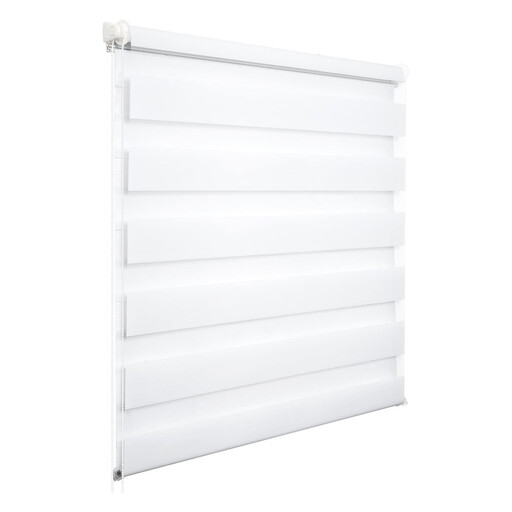
Why This Fits Their Persona: Ideal for rental apartments, as installation is damage-free and the dual blind's flexible light control is practical for living and working spaces. A hassle-free and functional solution.
The adjustable clamp brackets are designed for common window frames (13-23 mm), ensuring a stable hold. The clear measurement guide prevents purchase errors due to incorrect width selection.
Stepless light control with the zebra design; the chain pull can be mounted on the left or right; the fabric is fray-resistant thanks to a hot-cut finish.
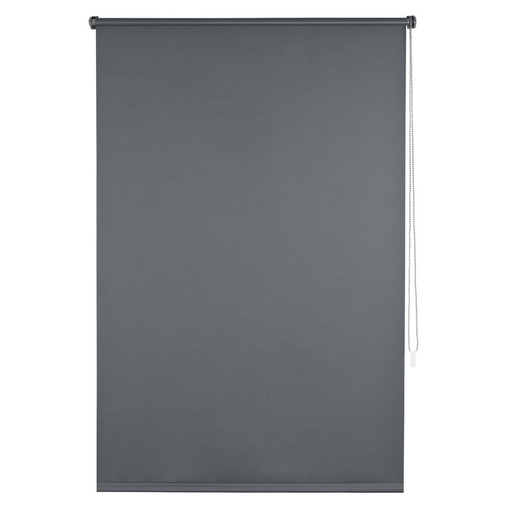
Why This Fits Their Persona: Perfect for bedrooms or home cinemas where maximum darkness is required. The additional thermal function improves the room's climate and can help reduce energy costs.
The special thermal coating on the back ensures reliable blackout performance, debunking the promise of many "blackout" blinds that only dim the room but don't completely block light.
Effective blackout and thermal insulation; robust aluminium headrail for durability; simple clip-on installation.

Why This Fits Their Persona: For users seeking a modern alternative to the classic roller blind. The pleated design offers a high-end look, and its honeycomb structure provides additional functional benefits like sound and thermal insulation.
The 100% polyester honeycomb structure and robust metal frame offer superior shape retention and durability compared to simple, thin pleated fabrics that quickly wrinkle or sag.
Improved thermal and sound insulation due to air pockets in the honeycombs; can be freely adjusted from both the top and bottom for flexible lighting conditions.
We have compiled a complete, up-to-date list of products that fully meet these strict selection criteria and German safety regulations.
When installed correctly on a suitable and clean window frame, the mounting is very reliable. Clip-on systems distribute the weight across the frame and hold securely during normal operation. With adhesive systems, the load-bearing capacity depends on the quality of the adhesive and the surface preparation. For very large or heavy blinds, a screw-in installation may still be more stable.
No, there are limitations. Clip-on roller blinds are designed for uPVC windows that can be opened. They are generally not suitable for:
A no-drill dual roller blind consists of two parallel fabric panels with alternating opaque and transparent stripes. By shifting the panels relative to each other, you can regulate the amount of light coming in. A no-drill pleated blind is made of a single, folded fabric (like an accordion). It is often tension-mounted directly within the glazing bead and can be flexibly opened from the top and bottom, allowing for very precise positioning of the privacy screen.