
Lieferung heute & morgen

Qualitätsgarantie

Willkommens-Angebote freischalten: KOSTENLOSE Lieferung | Bis zu 80 % RABATT | Kostenlose 30-Tage-JoyPlus-Testphase
App herunterladen
Installing a no-drill roller blind is a practical solution, especially in rented apartments where damaging the window frame must be avoided. However, the selection is vast, and not every product delivers on its promise. Incorrect measurements, unstable brackets, or inadequate privacy are common problems. This guide will help you navigate the typical pitfalls and make an informed decision that meets your functional and design requirements.
Before you make a decision, you should be aware of the most common issues that lead to dissatisfaction. A well-considered choice will save you not only money but also hassle.
To find the right blind, focus on three essential features: the mounting type, the fabric's function, and the type of blind.
The most common method is the clip-on roller blind. With this system, adjustable brackets are simply clamped onto the top edge of the window sash. This system is ideal for standard uPVC windows that can be tilted and opened.
Alternatives include adhesive systems that are glued directly onto the frame, or pleated blinds with suction cups, which are suitable for smooth surfaces like skylights or glass doors.
The fabric largely determines the utility of your blind.
Besides the classic roller blind, there are specialised variants.
Here are some recommendations tailored to specific user profiles, taking into account the criteria mentioned above.
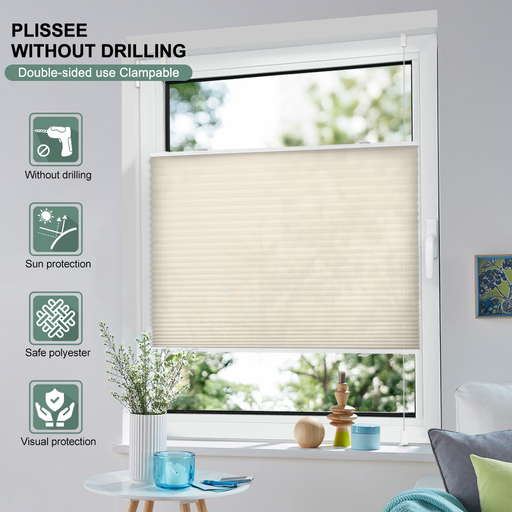
Why This Fits Their Persona: Ideal for anyone seeking a straightforward and flexible solution for standard windows in rented apartments. The pleated design provides effective privacy and can be adjusted from both the top and bottom for customised light control.
The product uses a proven clip-on system for common window frame thicknesses, thus avoiding fitment issues. The privacy fabric offers reliable screening without completely darkening the room.
Tool-free installation; flexible fabric positioning from both top and bottom.
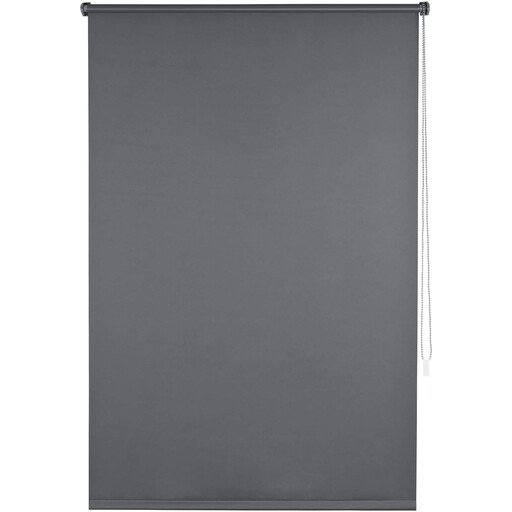
Why This Fits Their Persona: Designed for users who require maximum darkness for restful sleep. The additional thermal coating helps regulate room temperature in both summer and winter.
This blind addresses the problem of insufficient darkening with a special aluminium coating on the back, which the manufacturer claims blocks nearly 100% of light.
High degree of blackout and thermal-insulating properties; no-drill installation is possible.
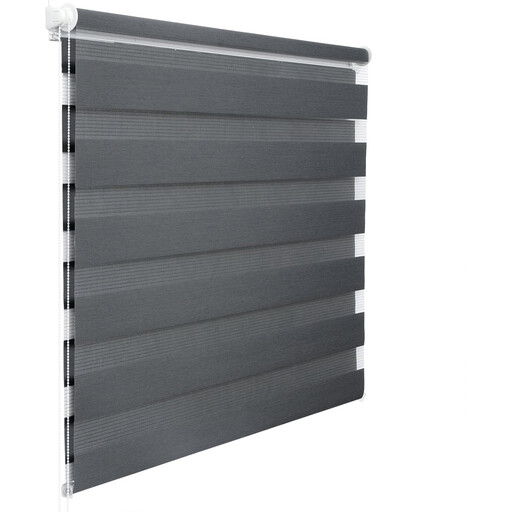
Why This Fits Their Persona: Perfect for living rooms or home offices where light levels need to be flexibly adjusted throughout the day. The modern design of the zebra blind also serves as a decorative element.
This dual roller blind solves the problem of rigid light control. Instead of just being "open" or "closed," it allows for continuous adjustment of light incidence by shifting the fabric panels.
Infinitely variable control of light and privacy; modern aesthetic with alternating stripes.
We have compiled a complete, up-to-date list of products that fully meet these strict selection criteria and local safety regulations.
First, measure the width of the glass pane (Glass Width). The Order Width of the blind should exceed the glass width by a total of approx. 4 cm (2 cm on each side) to ensure good coverage. Make sure the blind does not interfere with the window handle. The Order Height should correspond to the height of the entire window sash. Always follow the manufacturer's specific measurement instructions, as the fabric width is typically about 4-5 cm narrower than the specified total width of the blind.
Clip-on systems are primarily designed for modern tilt-and-turn uPVC windows. They are often unsuitable for old wooden windows with non-standard profiles, fixed-glazed windows, or skylights. For such cases, special solutions like pleated blinds with suction cup or adhesive mounts are available. Before purchasing, check the maximum rebate thickness of the window frame specified by the manufacturer.
Most fabrics are not suitable for machine washing. For cleaning, it is usually sufficient to regularly dust the fabric with a soft brush or a dry cloth. For light stains, a slightly damp cloth can be used. Avoid aggressive cleaning agents, as they could damage the fabric or any special coating.