
Lieferung heute & morgen

Qualitätsgarantie

Willkommens-Angebote freischalten: KOSTENLOSE Lieferung | Bis zu 80 % RABATT | Kostenlose 30-Tage-JoyPlus-Testphase
App herunterladen
Are your shower gel and shampoo bottles cluttering the floor of your shower or crowding the narrow rim of your bathtub? You're not alone. A lack of bathroom storage is a common problem, especially in rental properties where drilling into tiles is often discouraged or even prohibited. A no-drill shower caddy offers a practical, damage-free solution to create order and keep your toiletries within easy reach.
This guide introduces various mounting methods and provides objective criteria to help you make an informed decision. We'll present a selection of models that meet different requirements for material, size, and installation.
Before you decide on a model, there are several functional aspects to consider. The right choice will depend on the specific conditions of your bathroom and your personal needs.
The installation method is the most critical feature. Each option has its own specific advantages and disadvantages:
The material influences not only the aesthetics but also the durability in the humid climate of a shower.
Always check the maximum load capacity specified by the manufacturer to ensure the shelf can safely support the weight of your toiletries.
To make the best use of available space, the shape is crucial. A corner shower shelf makes efficient use of unused corners and is ideal for smaller shower stalls. Straight caddies offer a wider surface and are well-suited for mounting on straight walls above the bathtub or next to the sink.
Here is a selection of three distinct solutions that cater to different needs—from quick suction cup installation to a comprehensive storage concept.
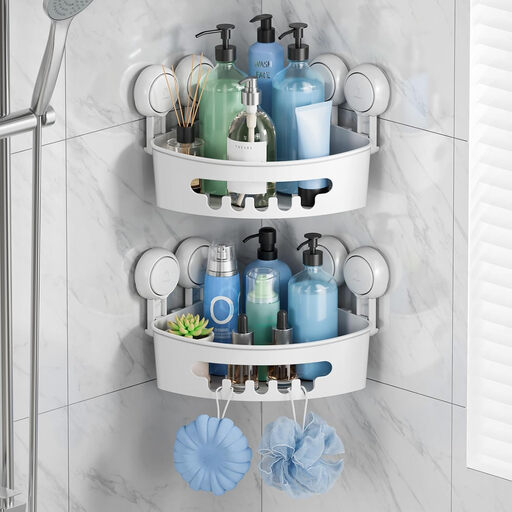
Why it stands out: This corner shower shelf uses a patented suction cup technology that, according to the manufacturer, is based on the bionic principle of octopus tentacles. Installation is tool-free and takes just seconds with a simple push. The high load capacity of up to 10 kg (22 lbs) per shelf is remarkable for a suction cup system.
Advantages:
Who is it for? Ideal for renters and anyone looking for an extremely fast, flexible, yet stable solution for 90-degree corners with smooth tile, glass, or acrylic surfaces.
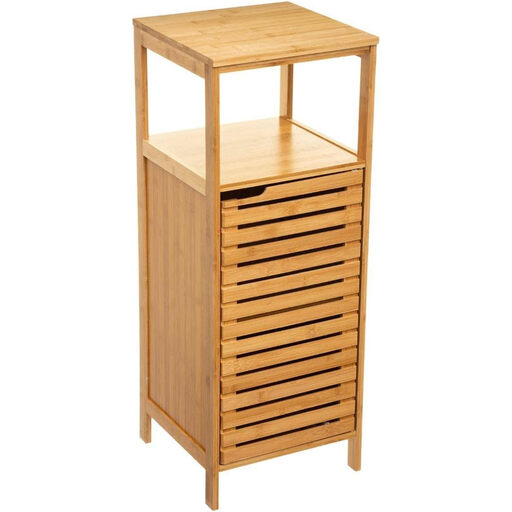
Why it stands out: This freestanding bathroom rack is more than just a bathroom shelf; it's a complete piece of furniture that offers extensive storage. With two open shelves and a closed cabinet, it can neatly store towels, toilet paper, and various toiletries. The FSC-certified bamboo wood is designed for use in humid environments.
Advantages:
Who is it for? Perfect for those with sufficient floor space who are looking for a comprehensive and stylish solution for organising the entire bathroom without altering the walls.
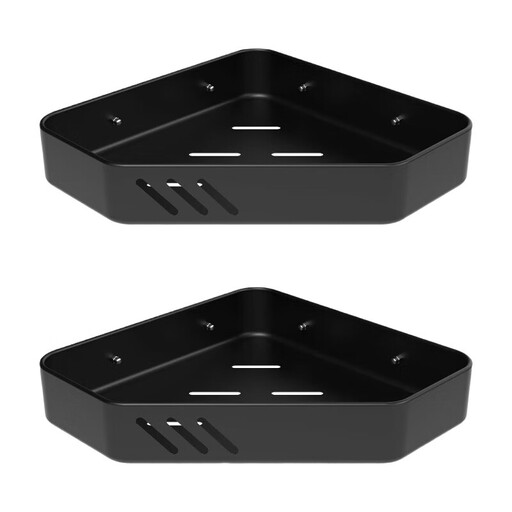
Why it stands out: This black stainless steel shower caddy offers maximum installation flexibility. It can either be mounted with the included adhesive kit for a no-drill setup or traditionally screwed in for maximum stability. The set of two triangular shelves and the modern, matte black finish make it a visually appealing choice.
Advantages:
Who is it for? For the design-conscious who prefer a solution that looks permanent but offers a damage-free installation option. This set is ideal for creating two levels of organisation in a shower corner.
This selection covers many common scenarios, but the market offers an even greater variety of shapes, materials, and sizes. If you're looking for a different colour, another mounting type, or a different design, you might find the perfect solution in our broader product category.
Explore Our Full Range of No-Nail Shower Caddies
1. How well do adhesive shower caddies actually hold? The bonding strength of modern adhesive systems is very high, provided the installation instructions are followed precisely. The keys to success are an absolutely clean, dry, and smooth surface (e.g., tile, glass) and adhering to the manufacturer's specified curing time before loading the caddy. Under these conditions, adhesive caddies can securely hold several kilograms.
2. Can I install a no-drill shower caddy on textured wallpaper or painted walls? Suction cup and most adhesive systems are not suitable for these types of surfaces. They require a smooth, non-porous surface to create a secure bond. They will not adhere reliably to rough or porous walls like textured wallpaper, plaster, or painted surfaces. For these applications, freestanding shelves are the appropriate alternative.
3. How do I remove an adhesive shower caddy without leaving residue? Most adhesive bonds can be loosened with targeted heat. Gently warm the adhesive area with a hairdryer to soften the glue. You can then slowly pry the caddy away from the wall using a plastic scraper or by sliding dental floss behind it. Any remaining adhesive residue can often be removed with special cleaning agents or rubbing alcohol. Always refer to the manufacturer's instructions for this process.