
Lieferung heute & morgen

Qualitätsgarantie

Willkommens-Angebote freischalten: KOSTENLOSE Lieferung | Bis zu 80 % RABATT | Kostenlose 30-Tage-JoyPlus-Testphase
App herunterladen
A freezer with No-Frost technology promises convenience: no more tedious defrosting. However, the purchasing process has hidden pitfalls that can quickly turn this promised convenience into an expensive, energy-guzzling appliance. Many models advertise features of questionable practical value, while crucial technical details remain buried in the fine print.
This guide will help you cut through the noise. We'll highlight the three most common purchasing mistakes and explain the objective criteria that truly matter, ensuring you find an appliance that operates reliably and efficiently.
To avoid these mistakes, you should carefully check three technical specifications before buying. These provide an objective basis for your decision, beyond marketing promises.
Since 2021, the new EU energy label has been in effect, with classes from A (very efficient) to G (inefficient). A Class C appliance consumes significantly less electricity than a Class E or F model with the same net capacity.
Choosing the right size prevents energy waste from a half-empty freezer. As a rule of thumb, allow for 50 to 80 litres of net capacity per person in the household.
These two values determine where your appliance can be placed and how quietly it will run.
A useful additional feature is the Super Frost function. It rapidly lowers the temperature for a short period to quickly freeze large quantities of fresh food without thawing items already stored.
Here are some models that represent a considered choice for different needs and households, based on their technical specifications.
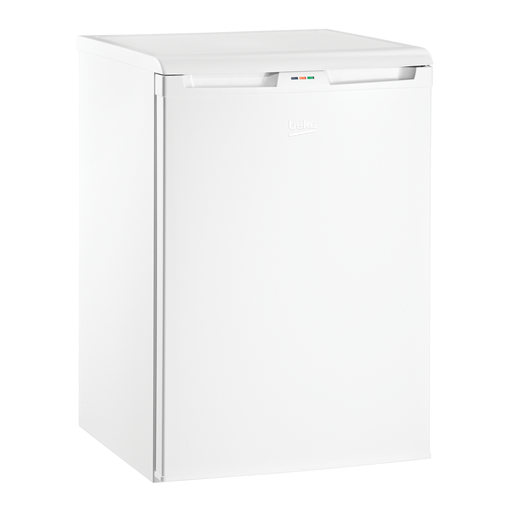
Why This Fits Their Persona: Ideal for small households or as a secondary appliance. This compact model offers enough space for the essentials without taking up a large footprint or breaking the budget. Perfect for anyone looking for a practical and unobtrusive solution.
The MinFrost technology significantly reduces ice build-up. This is a great compromise that minimises the need for defrosting without the cost of a full No-Frost system. At 37 dB, it is also very quiet for its price range.
Very quiet operation (37 dB) and a compact, table-top design. The reversible door hinge offers additional flexibility for placement.
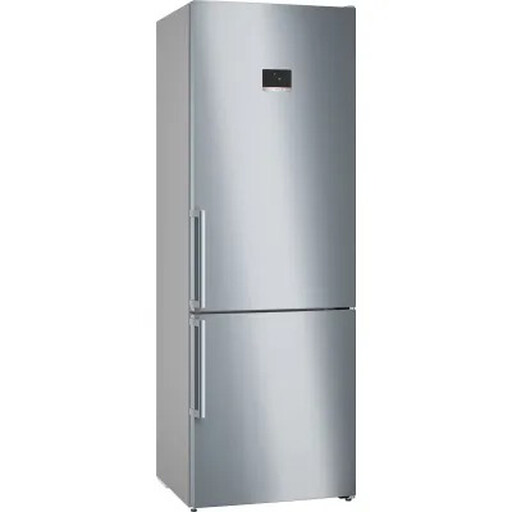
Why This Fits Their Persona: For families who value quality, durability, and low running costs. This appliance combines a very large net capacity with advanced freshness systems and top-tier energy efficiency.
With an energy efficiency class of B, it is one of the most economical appliances on the market, neatly avoiding the energy cost trap. Its extremely quiet operation (35 dB) and wide climate class (SN-T) make it a worry-free choice for any location.
Outstanding energy efficiency (Class B), Total NoFrost, and VitaFresh XXL drawers to keep food fresh for longer.
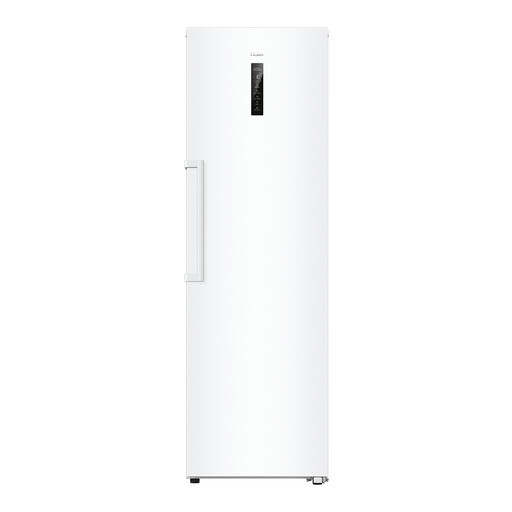
Why This Fits Their Persona: Perfect for those who store large quantities and require maximum flexibility. Whether for garden harvests, bulk shopping, or meal prep, this appliance offers enormous storage space and unique adaptability.
The SN/T climate class makes it suitable for basements, and its high energy efficiency class (C) prevents high electricity bills. The Instaswitch function offers real added value that goes beyond standard marketing.
Very large net capacity (301 L), high energy efficiency (Class C), and the innovative Instaswitch function, which allows the appliance to be converted into a refrigerator if needed.
We have compiled a complete, up-to-date list of products that fully meet these strict selection criteria and all relevant safety regulations.
Electricity consumption primarily depends on the energy efficiency class, size, and set temperature. A modern No-Frost freezer with energy efficiency class C (approx. 200 litres) uses about 120-160 kWh per year. In comparison, an old Class F appliance can easily consume over 300 kWh. While the No-Frost technology itself requires some energy, it prevents thick layers of ice that would force the compressor to work harder and drive up consumption.
Yes, as long as the appliance has the appropriate climate class. For unheated basements where the temperature can drop below 10°C, you need a model with the SN (Subnormal) climate class. Appliances marked SN-T are the most flexible, as they operate reliably in an ambient temperature range of +10°C to +43°C. Check for this information on the energy label or in the product data sheet.
These terms describe different technologies for reducing ice build-up: