
Lieferung heute & morgen

Qualitätsgarantie

Willkommens-Angebote freischalten: KOSTENLOSE Lieferung | Bis zu 80 % RABATT | Kostenlose 30-Tage-JoyPlus-Testphase
App herunterladen
Purchasing a new fridge-freezer is a decision that will shape your daily kitchen routine for years. But the market is flooded with technical jargon and marketing promises that make the selection process difficult. A freestanding model with No-Frost technology is on many wish lists, but not every appliance with these features is a worthwhile investment. Specific weaknesses often lead to disappointment, such as unexpectedly high electricity bills or disruptive operating noise.
This guide highlights the most common pitfalls and explains which technical parameters truly matter, enabling you to make an informed decision.
Many appliances advertise features that don't deliver on their promises in practice. Pay close attention to these three points to avoid costly mistakes:
To make the right choice, you should focus on objective, measurable criteria. These three factors are crucial for performance and long-term costs.
The new EU energy label with classes A to G has been in effect since 2021. An energy-efficient fridge-freezer in class A, B, or C may be more expensive to purchase but often pays for itself over the years through lower electricity costs. The annual consumption is stated in kilowatt-hours (kWh/a). Multiply this value by your current electricity price to estimate the annual running costs. An appliance with an inverter compressor adjusts its performance according to demand, which can further reduce energy consumption.
The required usable capacity depends on your household size and shopping habits. As a rule of thumb:
Pay attention not only to the total volume but also to the split between the fridge and freezer sections. Adjustable shelves, special freshness zones for fruit, vegetables, meat, and fish, and a well-designed door layout enhance everyday convenience.
A No Frost fridge prevents the build-up of ice layers in the freezer compartment using a circulating air system that extracts moist air. This not only saves you from manual defrosting but also ensures a constant temperature and lower energy consumption, as the compressor doesn't have to work against a layer of ice. Systems like Multi-Air-Flow also distribute cold air evenly across all levels of the refrigerator, which keeps food fresh for longer.
Instead of making a one-size-fits-all recommendation, we have identified models tailored to specific needs and household types.
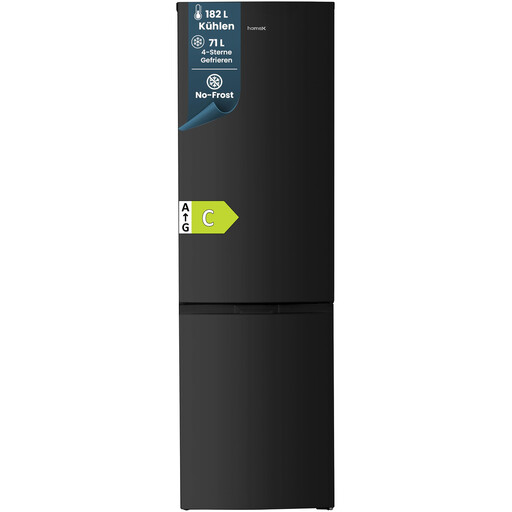
Why it's a good fit: It offers essential modern features like Total No Frost and good energy efficiency (Class C) at an accessible price. With 253 litres of usable capacity, it's ideal for couples or small families looking for a reliable appliance without unnecessary extras.
This model features Total NoFrost, which makes manual defrosting in both sections unnecessary—a clear advantage over appliances with only partial No Frost.
Focuses on core performance with a solid energy efficiency class, forgoing complex and often unused additional features.

Why it's a good fit: With a huge XXL capacity of 621 litres, an excellent energy efficiency class B, and very quiet operation, this Bosch fridge-freezer is ideal for large families who value durability, low running costs, and plenty of space.
With an operating noise of just 35 dB (Noise Emission Class B), the appliance is significantly quieter than average and won't be disruptive even in open-plan kitchens. The SN-T climate class ensures reliable operation in almost all indoor ambient temperatures.
A combination of enormous storage space, top-tier energy efficiency, and advanced food preservation systems like VitaFresh plus.
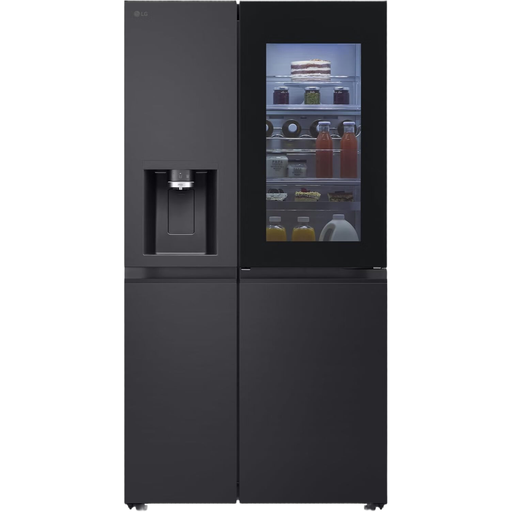
Why it's a good fit: This stylish LG fridge in black is a statement piece. As a Side-by-Side fridge, it not only offers plenty of space but also technical refinements like the InstaView door-in-door mechanism and a water and ice dispenser that make everyday life more convenient.
The appliance offers a complete package of modern conveniences, including Total No Frost and DoorCooling+, ensuring the price is justified by tangible benefits and not just marketing.
Innovative features like InstaView reduce cold air loss by minimising the need to open the door, combining convenience with energy efficiency.
We have compiled a complete, up-to-date list of products that fully meet these strict selection criteria and rigorous safety standards.
A freestanding appliance needs sufficient space for ventilation to operate efficiently. Maintain a clearance of at least 5 cm on the sides and at the back from walls or furniture. The location should be dry, level, and not exposed to direct sunlight or other heat sources like radiators or ovens.
The climate class indicates the ambient temperature range in which the appliance functions optimally. The most common classes are:
The costs depend on the appliance's annual consumption (kWh/a) and your electricity tariff. An energy efficiency class C model with a consumption of approx. 160 kWh/a would incur annual costs of about €56, assuming an electricity price of 35 cents/kWh (160 kWh * €0.35/kWh). By comparison, a class E appliance with 250 kWh/a would cost about €87.50 per year. Investing in a higher efficiency class can therefore be worthwhile.