
Lieferung heute & morgen

Qualitätsgarantie

Willkommens-Angebote freischalten: KOSTENLOSE Lieferung | Bis zu 80 % RABATT | Kostenlose 30-Tage-JoyPlus-Testphase
App herunterladen
A dog that pulls hard can turn daily walks into a stressful experience for both pet and owner. The force exerted on the dog's neck is not only uncomfortable but can also lead to health issues. A well-fitting no-pull harness offers a practical solution by redirecting pressure from the sensitive neck area to the more robust chest.
This article serves as your guide. We will introduce you to various pieces of equipment and explain their functional features to provide you with an objective basis for your purchasing decision.
Selecting the right accessory depends on your dog's individual needs. Three criteria are particularly important to consider.
An ergonomic dog harness is designed to conform to the dog's body shape without restricting shoulder movement. Look for multiple adjustable straps to allow for a precise fit to your dog's build. Good padding, for example, made from breathable mesh fabric, increases comfort and prevents chafing, especially for dogs with short fur.
The durability of a harness is largely determined by the material used. Robust nylon webbing is a common choice as it is resilient and easy to clean. For dog walking gear, safety is a key aspect. Reflective stitching or applications significantly increase visibility at dusk and in the dark. Sturdy buckles and D-rings made of metal alloys ensure the harness holds up reliably even under strong pulling.
A typical feature of no-pull harnesses is an additional leash attachment ring on the chest area (front ring). When the leash is clipped here, the dog is gently guided to the side when it pulls. This reorientation interrupts the pulling motion without causing pain or pressure on the neck. This method can effectively support training for more relaxed loose-leash walking.
Based on functionality and safety aspects, we have compiled a selection of products that may be of interest to owners of medium to large-sized dogs.
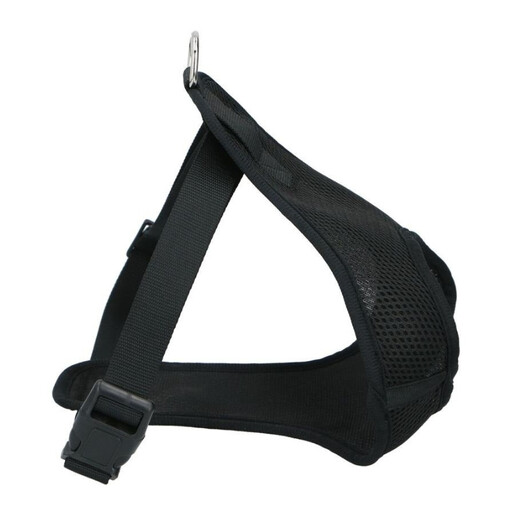
Why it's a winner: This harness is designed for comfort and control. Its construction evenly distributes pulling pressure across the chest, which discourages pulling without choking the dog. The four adjustment points allow for a custom fit to the dog's body, which is crucial for a secure and comfortable experience.
Benefits:
Who it's for: Owners of large dog breeds such as Golden Retrievers, Labradors, or German Shepherds who are looking for a reliable and comfortable dog harness for large dogs for daily use.
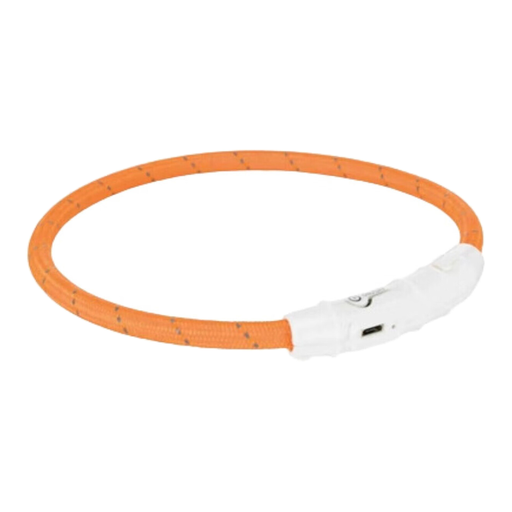
Why it's a winner: Visibility is essential in the dark. This light-up dog collar from TRIXIE provides an active light source, complementing the passive reflectors of a harness. It is USB rechargeable and, according to the manufacturer, provides up to five hours of flashing light or three hours of continuous light.
Benefits:
Who it's for: All dog owners who regularly walk at dusk or at night and want active illumination to maximise their dog's visibility.
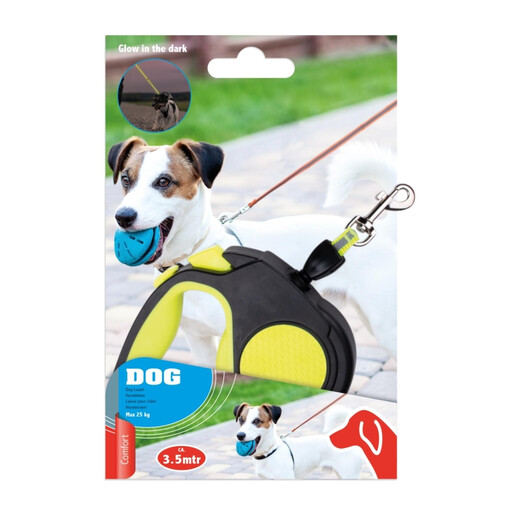
Why it's a winner: This retractable leash combines controlled freedom with an added safety feature. The 3.5-metre length gives the dog room to explore, while the ergonomic handle ensures a secure grip. Its special feature is the glow-in-the-dark material, which acts as a reflective dog leash and improves visibility at night.
Benefits:
Who it's for: Dog owners who prefer a flexible leash for walks in parks or quieter areas and don't want to compromise on added safety in low-light conditions.
Haven't found the right model for your dog yet? The market offers a wide variety of harnesses tailored to different needs, sizes, and activities. From lightweight models for small dogs to specialised harnesses for dog pulling sports, there is a solution for almost every requirement.
Discover our entire selection of dog harnesses and find the right gear for your adventures together.
1. How exactly does a no-pull harness work? Most no-pull harnesses feature an attachment ring on the front of the chest. When the dog pulls, the tension on the leash gently turns its body to the side. This slight change in direction interrupts the forward momentum and redirects its attention back to the handler. This happens without causing pain or pressure on the neck.
2. How do I find the right size dog harness? Measure your dog's chest circumference at its widest point, just behind the front legs. Compare this measurement with the manufacturer's size chart. After putting the harness on, you should be able to comfortably slide two fingers between the strap and the dog's body. This ensures the harness is snug enough not to slip, but not so tight that it restricts breathing or movement.