
Lieferung heute & morgen

Qualitätsgarantie

Willkommens-Angebote freischalten: KOSTENLOSE Lieferung | Bis zu 80 % RABATT | Kostenlose 30-Tage-JoyPlus-Testphase
App herunterladen
Finding a tasty snack that fits a health-conscious lifestyle can be a challenge. Many products on supermarket shelves contain hidden sugars that aren't always obvious at first glance. For anyone looking to reduce their sugar intake without giving up a convenient snack, bars with no added sugar offer a smart alternative.
This article serves as your guide. We'll introduce different types of bars and explain what to look for when choosing the right product to meet your dietary goals.
The selection of reduced-sugar snacks is vast. To make an informed decision, a few key criteria are particularly important.
The "no added sugar" label means that no table sugar (sucrose) or other sugary ingredients like syrup or honey have been added to the product. However, the bars can still contain naturally occurring sugars, for example, from fruit or grains.
Instead of sugar, sugar alcohols or sweeteners are often used. Common examples include:
A look at the ingredients list reveals which sweeteners are used and whether the product is suitable for your specific needs, such as a vegan diet.
Depending on your individual goal—whether it's muscle building, weight management, or simply a healthy snack—different nutritional profiles are important.
Sugar-free snacks come in many varieties. The base of the bar largely determines its taste, texture, and nutritional profile.
Based on objective product features like ingredients, nutritional values, and specific characteristics, we have compiled a selection of different bars.
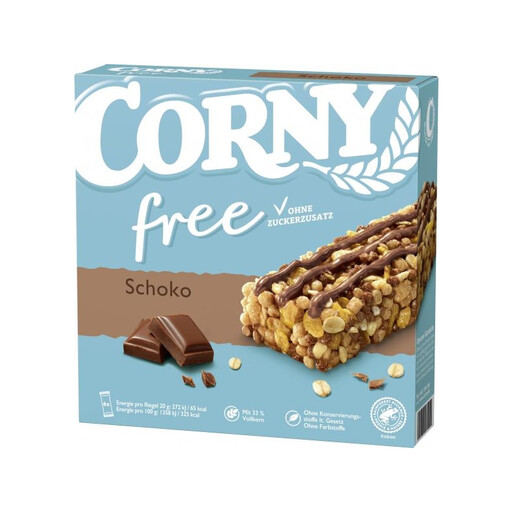
Why it stands out: This muesli bar combines roasted whole grain flakes with milk chocolate, all with no added sugar. At just 67 kcal per bar, it's a light option for a quick snack.
Advantages:
Who it's for: Individuals looking for a light, calorie-conscious snack for on the go or at the office, who prefer the classic muesli bar taste.
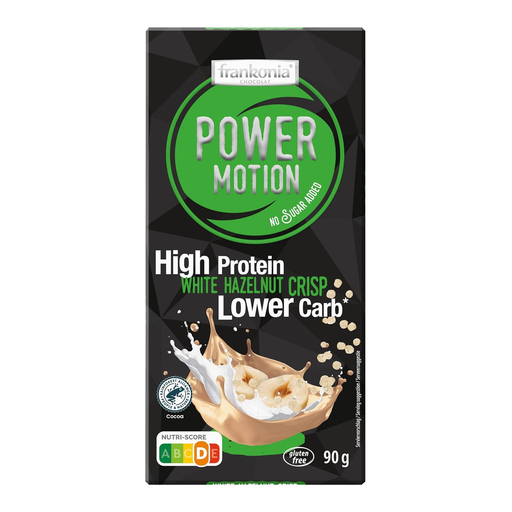
Why it stands out: This bar is positioned as a protein bar with no added sugar, featuring a high protein content and reduced carbohydrate levels. The combination of white chocolate, hazelnut paste, and crispy soy and milk protein crisps creates a unique taste experience.
Advantages:
Who it's for: Athletes and health-conscious individuals seeking a protein-rich, low-carb snack for after a workout or as a filling in-between meal.
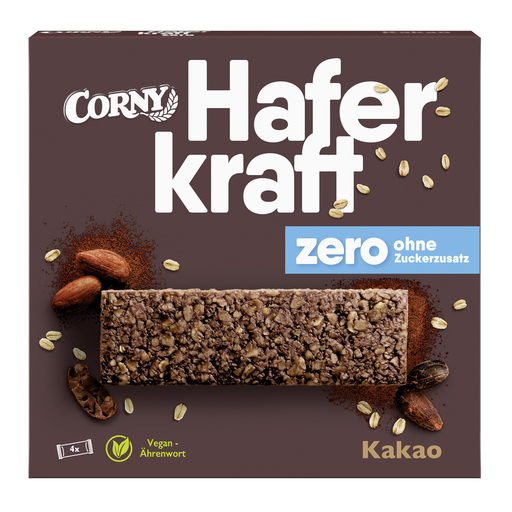
Why it stands out: As a vegan bar with an oat base, the Corny Haferkraft Zero offers a moist and soft alternative. With 52% whole grain oats and an intense cocoa flavour, it's a purely plant-based option with no added sugar.
Advantages:
Who it's for: Vegans and anyone who prefers a moist, fibre-rich oat bar as a source of energy before sports or for daily life.
The products featured here offer a glimpse into the variety of bars with no added sugar. However, everyone has different taste preferences and dietary needs. If you're looking for more alternatives or want to specifically compare other sugar-free snacks, you'll find a wider selection in our category.
Discover more products in our selection of Low-Carb Finger Food and find the perfect snack for your lifestyle.
The "no added sugar" label is legally defined and states that no monosaccharides or disaccharides (like table sugar) or other foods with a sweetening effect (like honey or syrup) have been added to the product. However, the bars can still contain naturally occurring sugars, e.g., from grains or milk. They also often contain sugar alcohols or sweeteners to achieve the desired sweetness.
This question cannot be answered with a simple yes or no. Although no sugar is added, the bars contain carbohydrates and sugar alcohols (like maltitol), which can affect blood sugar levels. Individual tolerance and the impact on blood sugar should be considered. People with diabetes are advised to discuss the suitability of such products and how to account for carbohydrate units with their doctor or a nutritionist.
Various sweeteners are used in bars with no added sugar. The most common include: