
Lieferung heute & morgen

Qualitätsgarantie

Willkommens-Angebote freischalten: KOSTENLOSE Lieferung | Bis zu 80 % RABATT | Kostenlose 30-Tage-JoyPlus-Testphase
App herunterladen
Dried mango has become a popular, fruity snack. Whether as a convenient on-the-go treat, a sweet addition to muesli, or simply an alternative to traditional sweets, this dried tropical fruit is incredibly versatile. However, buying dried mango comes with a few pitfalls that can spoil the experience. Many products on the market vary significantly in quality, taste, and ingredients.
This guide will help you avoid the most common purchasing mistakes and make an informed decision. We'll show you which criteria truly matter so you can find the perfect dried mango that meets your expectations.
Not every package delivers on the promise of its colourful branding. Before you choose a product, you should be aware of these three typical problems:
To avoid these pitfalls, a close look at the product details is essential. The following three parameters are crucial for your selection.
The most important source of information is the ingredients list. It reveals what's really inside the package.
The cut and drying method significantly influence the chewing experience. Large, thick dried mango slices are typically juicier and softer to the bite. They retain more of the fresh fruit's fleshy consistency. Thinner strips, on the other hand, can be drier and tougher. A good product should not be overly fibrous, which indicates careful selection of the raw fruit.
Beyond the classic sweet-and-sour variety, there is a growing selection of special flavours, often originating from the Asian snacks category. A popular option is spicy dried mango, which is seasoned with chili powder and offers an exciting combination of sweetness and heat. Other creative blends combine mango with dried plum or other spices. These varieties are perfect for anyone seeking an extraordinary taste experience.
Based on the criteria above, we have curated a selection of products suited for different taste profiles and uses.

Why it's a great fit: Ideal for those who want to enjoy the pure, unadulterated fruit flavour of mango without any additives. The focus here is clearly on the fruit's natural aroma.
This product consistently avoids the sugar trap. According to the manufacturer, no sugar is added, allowing the fruit's natural sweetness to shine through.
No added sugar, only the fruit's own sweetness. The ingredients list is short and transparent: mango strips, potato starch, and an antioxidant.
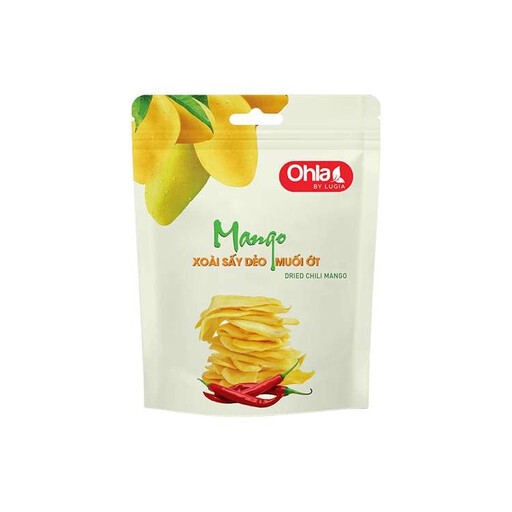
Why it's a great fit: For snack lovers seeking a change from the classic sweet taste. The combination of fruity mango and a subtle chili note creates an exciting flavour experience.
This product avoids the pitfall of flavour monotony. It offers a clear and distinctive spicy-sweet profile that stands out from standard products.
A balanced blend of the sweetness of ripe mango and the heat of chili. According to the manufacturer, no artificial flavours are used.
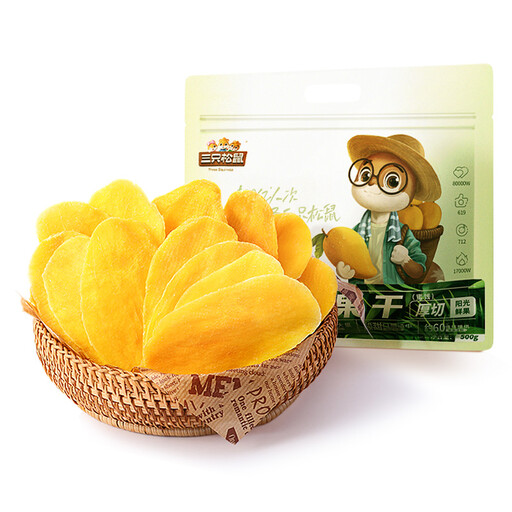
Why it's a great fit: The large 500g pack is ideal for families, sharing with friends, or stocking the pantry. A practical and straightforward snack for many occasions.
This product avoids the pitfall of small, overpriced portions. The bulk pack offers a large quantity, making it an economical choice for regular consumption.
Large 500g value pack, perfect for sharing. The mango pieces are described as thick and juicy, suggesting a pleasant texture.
We have compiled a complete, up-to-date list of products that fully meet these strict selection criteria.
To preserve freshness and a soft texture, store dried mango in an airtight container in a cool, dry, and dark place after opening. This prevents the fruit pieces from drying out or absorbing moisture.
Sulfites (like sodium metabisulfite, E223) are approved preservatives that extend shelf life and maintain colour. They are harmless for most people. However, individuals with a sulfite sensitivity or asthma should be cautious and choose products without this additive. The label on the packaging is crucial here.
The surest way is to check the ingredients list. If it only lists "Mango" (and possibly a preservative like sulfites), no sugar has been added. Terms like "no added sugar" on the front of the package are also a good indicator but should always be verified by checking the ingredients list. Products without added sugar often have a slightly less intense sweetness and a firmer texture.