
Lieferung heute & morgen

Qualitätsgarantie

Willkommens-Angebote freischalten: KOSTENLOSE Lieferung | Bis zu 80 % RABATT | Kostenlose 30-Tage-JoyPlus-Testphase
App herunterladen
Whether in a noisy open-plan office, on a crowded commuter train, or during a long-haul flight—the desire for peace and uninterrupted sound is universal. Noise-cancelling headphones promise a solution, but the market is overwhelming and full of marketing hype. Many buyers only realise after weeks of use that their expensive device is uncomfortable, the noise cancellation is disappointing, or the microphone quality is unusable for phone calls.
As your Joybuy Product Recommendation Officer, I'm here to help you navigate these pitfalls. We'll focus on the objective criteria that truly matter, so you can make an informed decision and not fall for empty advertising claims.
To avoid the traps mentioned above, you should check three core technical areas before buying. These determine whether a pair of headphones is suitable for your daily life.
The acronym ANC stands for Active Noise Cancellation. Microphones on the headphones pick up ambient sounds, and a processor generates an opposite sound wave (anti-noise) that neutralises the noise. There are qualitative differences here:
The form factor has a direct impact on passive noise isolation and comfort. There are three main types:
Pay attention to the weight (under 300 grams is a good benchmark for over-ear models) and the materials of the ear cushions (e.g., soft protein leather or memory foam).
For wireless noise-cancelling headphones, these points are essential.
Based on the objective criteria above, we have identified a few models that are particularly well-suited for specific user groups in the UK and Europe.
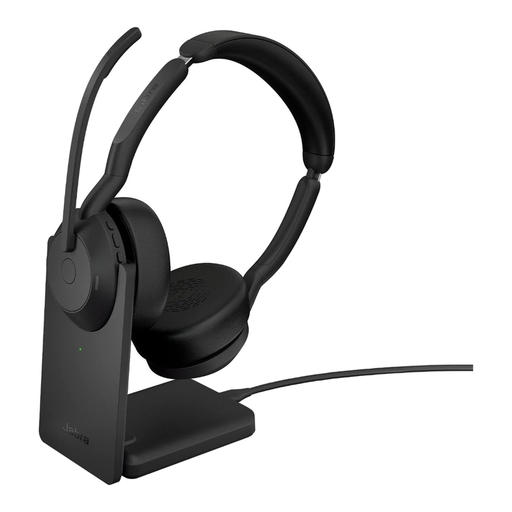
Why This Fits Their Persona: Specifically designed for professional use. Compatibility with UC platforms like Zoom and Google Meet, as well as the busylight that signals to colleagues when you're on a call, are extremely practical in a daily office environment.
Sidesteps the "forgotten microphone" trap with dedicated noise-cancelling microphone technology that ensures crystal-clear calls—even in a loud open-plan office.
Powerful ANC for focused work and up to 18 hours of battery life. The lightweight on-ear design with "Air Comfort" technology is built for all-day use.
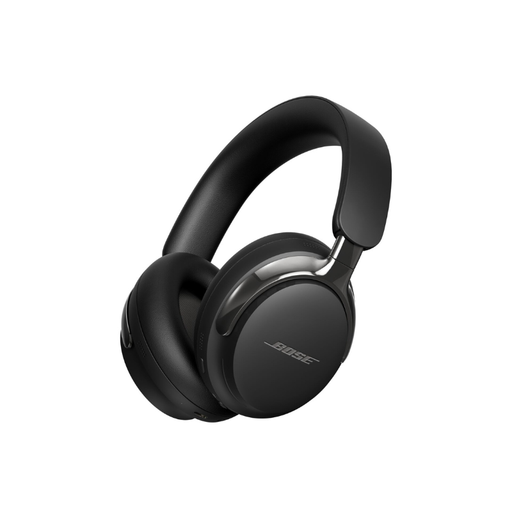
Why This Fits Their Persona: For users who refuse to compromise on noise cancellation and sound quality. Ideal for long-haul flights and the undisturbed enjoyment of high-resolution music.
Avoids the "total silence" illusion with advanced ANC technology. According to the manufacturer, the CustomTune technology individually calibrates noise cancellation and audio playback to the user's ears.
Offers up to 24 hours of battery life with ANC. The over-ear design with plush cushions and a foldable frame makes it a comfortable and practical travel companion.
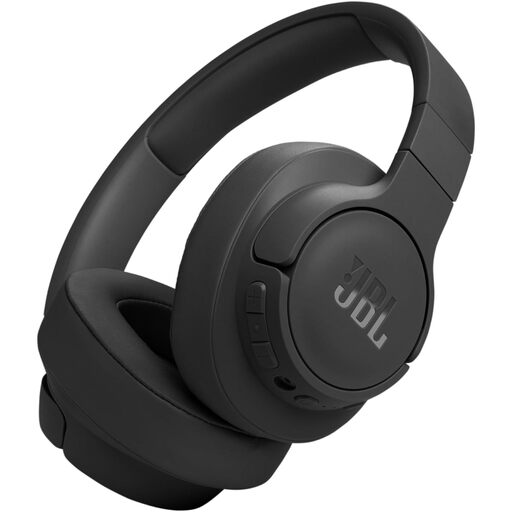
Why This Fits Their Persona: A solid overall package for daily use, commuting, or occasional travel. It offers a balanced mix of ANC, sound, and long battery life at an attractive price-to-performance ratio.
Counteracts the "comfort compromise." Weighing only 232 grams and featuring a foldable design, it's lightweight and portable without becoming uncomfortable during long listening sessions.
Outstanding battery life of up to 70 hours (ANC off). The adaptive noise cancellation and multipoint connection are features often found only in higher price brackets.
We have compiled a complete, real-time updated list of products that fully meet these strict selection criteria and European safety regulations.
1. How long does the battery of noise-cancelling headphones last with ANC turned on? Battery life varies greatly depending on the model and volume level. As a rule of thumb, activating ANC reduces the manufacturer's stated maximum battery life by about 20-40%. A good pair of Bluetooth noise-cancelling headphones should last at least 20 hours with ANC activated. Look for models with a fast-charging function for added flexibility.
2. Can you use noise-cancelling headphones with a cable? Yes, most over-ear and on-ear models offer this option. They typically come with a 3.5mm audio cable. This is useful when the battery is dead or if you want to connect to devices without Bluetooth, such as an in-flight entertainment system. Note, however, that on some models, ANC may not work in wired mode as the electronics require power.
3. Does active noise cancellation reduce sound quality? With early generations of ANC, there could be a slight hiss or a change in the sound profile. Modern, high-quality ANC headphones have largely solved this problem. Processors and algorithms are now so advanced that sound quality is barely affected. Nevertheless, some audiophiles prefer to disable ANC in a quiet environment for a more purist listening experience.