
Lieferung heute & morgen

Qualitätsgarantie
App herunterladen
Kategorien
Selecting a pair of over-ear headphones with active noise cancellation (ANC) is a matter of weighing technical specifications. The effectiveness of the noise reduction, audio quality, battery life, and wearing comfort are the decisive criteria for users seeking an immersive listening experience or needing to concentrate in noisy environments. This article analyses the key factors and presents a selection of models tailored to specific user profiles.
An informed purchasing decision requires consideration of several technical specifications. The following points form the basis for an objective comparison.
The core feature, Active Noise Cancellation, neutralises ambient sounds by generating anti-noise. Its effectiveness depends on the technology used. Hybrid ANC, which uses microphones on both the outside and inside of the earcup, typically offers more precise noise detection and cancellation. Adaptive systems dynamically adjust the intensity of the cancellation to the surroundings. A switchable transparency or ambient mode is essential for situations where environmental awareness is necessary, such as in city traffic.
Sound reproduction is primarily determined by the drivers and the supported audio codecs. Drivers with a 40 mm diameter are a common standard in this segment, enabling balanced playback across the frequency spectrum. For users who value a bass-forward sound, models with special bass modes or larger drivers are of interest. For wireless headphones, the Bluetooth codec is crucial for transmission quality. While SBC is the basic codec, AAC (for Apple devices) and especially LDAC offer a higher bitrate and thus potentially more detailed audio playback.
For mobile users such as commuters and travellers, battery life is a critical factor. Modern headphones with long battery life achieve runtimes of 30 to over 80 hours with ANC disabled. With active noise cancellation enabled, the runtime is reduced. A fast-charging feature, which provides several hours of playback after just a few minutes of charging, offers additional flexibility for daily use. Charging is typically done via a USB-C port.
Most current over-ear Bluetooth headphones use Bluetooth 5.0 or higher, ensuring a stable connection and good range. A multipoint connection allows for simultaneous pairing with two devices, such as a laptop and a smartphone. This is particularly practical for the home office, enabling seamless switching between video conferences and calls. The quality of the built-in microphones, often supported by beamforming technology or AI-powered noise reduction, determines voice clarity during phone calls.
Over-ear headphones are often worn for many hours. A low weight (typically between 230g and 280g), soft memory foam ear pads, and an adjustable headband are crucial for long-term comfort. A foldable or swivelling design makes it easier to transport the headphones in the included pouch or case.
The following models have been selected based on their technical specifications and specific use cases.
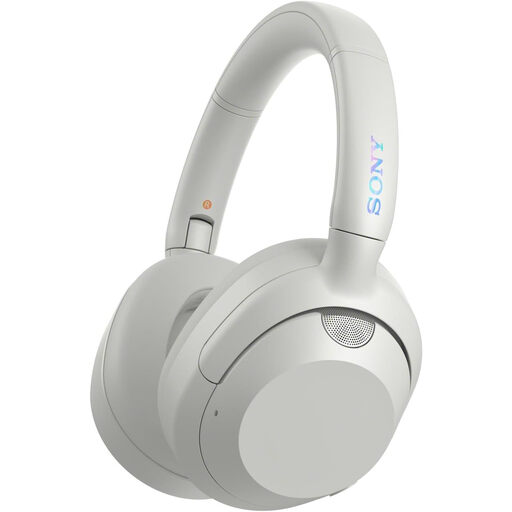
Why we recommend this product The Sony WH-ULT900N is designed for users who prioritise powerful bass reproduction without sacrificing advanced features. It uses the same Integrated Processor V1 as Sony's higher-end models and offers two customisable bass modes via a dedicated ULT button. This allows for targeted sound tuning for bass-heavy music genres.
Advantages
Who it's for This model is aimed at music lovers with a preference for headphones with good bass, as well as users looking for a feature-rich overall package with high-quality noise cancellation and connectivity for daily use.
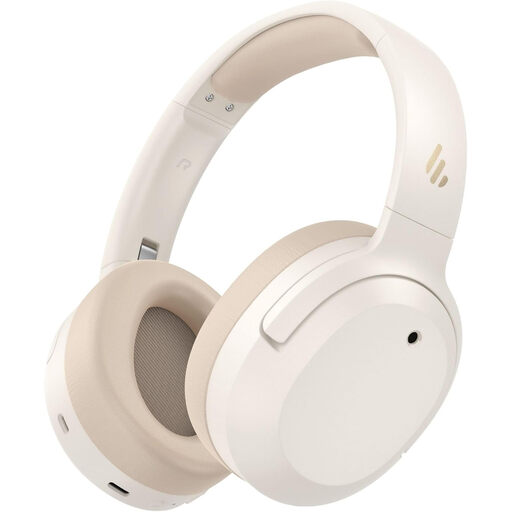
Why we recommend this product The Edifier W820NB Plus stands out with its exceptionally long battery life and support for high-resolution audio. With up to 88 hours of playback (ANC off) and compatibility with the LDAC codec, it offers a remarkable combination of endurance and sound quality in its price segment. According to the manufacturer, the noise cancellation achieves a depth of up to -49 dB.
Advantages
Who it's for Ideal for budget-conscious audiophiles, long-distance travellers, and any user for whom maximum battery life is a top priority and who prefers to charge their headphones infrequently.
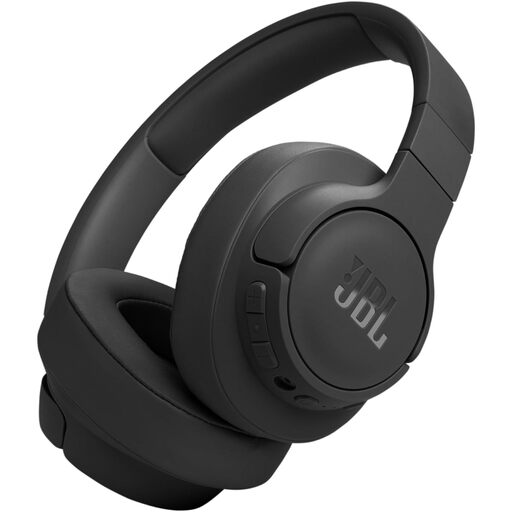
Why we recommend this product The JBL Tune 770 NC offers a balanced combination of long battery life, low weight, and reliable performance. With up to 70 hours of playback (ANC off) and a weight of just 232 grams, it is a highly portable companion. The adaptive noise cancelling adjusts to the environment, and the renowned JBL Pure Bass Sound provides a solid sonic foundation.
Advantages
Who it's for This model is a great choice for travel headphone users and commuters who are looking for a lightweight, durable, and straightforward device from an established audio brand.
The models presented here are a selection tailored to specific use cases. If you would like to compare other options with different specifications or in other price ranges, you can find a comprehensive overview in our Over-Ear Noise-Cancelling Headphones category.
1. What is the difference between active noise cancellation (ANC) and passive noise isolation? Passive noise isolation is purely physical, achieved through the design and materials of the headphones that seal the ear and thus block sound. Active noise cancellation (ANC) is an electronic technology that uses microphones to pick up ambient sounds and neutralises them by generating an out-of-phase sound signal (anti-noise). ANC is particularly effective against constant, low-frequency noises like aircraft engines or the rumble of a train.
2. How important is battery life for wireless headphones? The importance of battery life is highly dependent on the user's profile. For users who commute daily, travel long distances, or use their headphones in the office, a long runtime of over 20 hours (with ANC) is recommended to avoid daily charging. A fast-charging feature provides an extra safety net in case the battery runs out unexpectedly.
3. Can you use noise-cancelling headphones with a cable? Yes, most over-ear models with ANC, including those presented here, come with a detachable 3.5mm audio cable. This allows them to be used even when the battery is dead or with devices that don't have Bluetooth, such as in-flight entertainment systems. When used in wired mode, the ANC function may still be available depending on the model, as long as the battery has a charge.