
Lieferung heute & morgen

Qualitätsgarantie
App herunterladen
Kategorien
The reduction of ambient noise in headphones is based on the principle of Active Noise Cancellation (ANC). This technology uses microphones to capture external sound waves. An internal processor then generates an out-of-phase sound wave (anti-noise) that neutralises the original sound before it reaches the wearer's ear. The result is a significantly quieter listening environment. This article analyses the technical parameters relevant to selecting noise-cancelling headphones and presents a selection of models for various use cases.
Selecting the right model depends on several technical specifications that define its real-world performance and usability.
The effectiveness of noise cancellation is largely determined by the form factor and the implemented ANC technology.
From a technical standpoint, there are also different types of ANC systems. Hybrid ANC systems, which use both outward-facing (feedforward) and inward-facing (feedback) microphones, are considered particularly effective as they can correct a broader frequency range of unwanted noise.
The quality of wireless audio transmission is determined by the Bluetooth codec used.
The Bluetooth version (e.g., Bluetooth 5.4) affects the connection's stability, range, and energy efficiency. Features like Multipoint Connection allow for simultaneous connection to two devices, making it easy to switch between a laptop and a smartphone.
Headphones with long battery life are crucial for highly mobile users. Manufacturer specifications typically differ for playback with and without ANC enabled. The charging case for true wireless models significantly increases the total runtime. Modern standards like USB Type-C and wireless charging capabilities (Qi standard) offer added flexibility.
The IP (Ingress Protection) rating indicates how resistant a device is to the ingress of dust and water. For example, an IP57 certification means the device is dust-protected and can withstand temporary immersion in water. This is a relevant factor for use during sports or in bad weather.
Based on the technical criteria above, we present three models that cater to different user profiles.
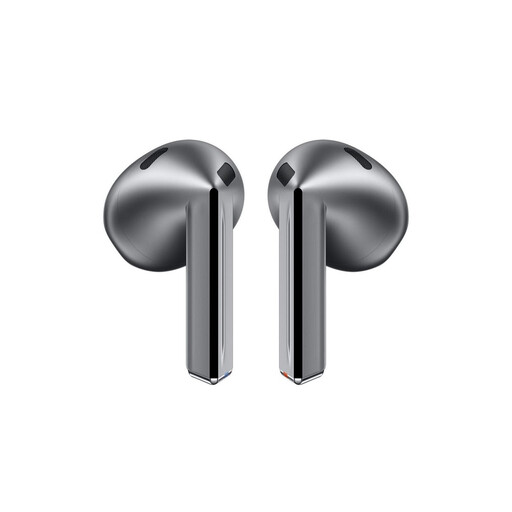
Why We Recommend This Product The Samsung Galaxy Buds 3 R530 are True Wireless Stereo (TWS) wireless headphones that offer a balanced combination of functionality and design. The integration of active noise cancellation, a robust IP57-rated build, and flexible charging options make them a versatile companion for everyday life.
Advantages
Who It's For This model is suitable for users seeking compact and lightweight in-ear headphones with ANC for the daily commute, phone calls, and light sports activities. The high protection rating and wireless charging capability enhance their practical utility.
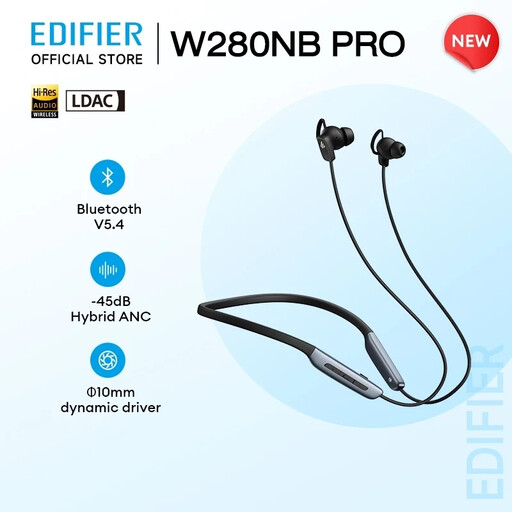
Why We Recommend This Product The Edifier W280NB Pro are positioned as neckband-style noise-cancelling headphones with a focus on high-quality audio. The Hi-Res Audio Wireless certification, combined with the LDAC codec, specifically targets users who value detailed sound reproduction.
Advantages
Who It's For This model is designed for audio enthusiasts who want to leverage the sound benefits of Hi-Res Audio and prefer the security of a neckband. The long battery life and effective noise cancellation make them a great choice for commuters and travellers.
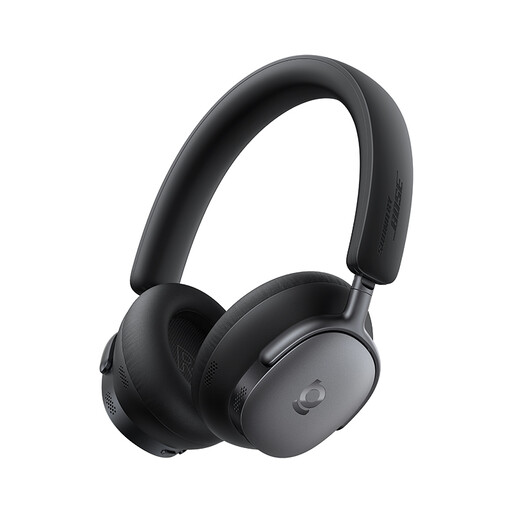
Why We Recommend This Product The Baseus Inspire XH1 are Bluetooth over-ear headphones equipped with an exceptionally long battery life and powerful noise cancellation. The "Sound by Bose" designation suggests a collaboration on acoustic tuning. The combination of superior comfort and technical features like Dolby Spatial Audio and LDAC support is remarkable.
Advantages
Who It's For These headphones for travel and focused work are ideal for users who need maximum battery life and highly effective noise isolation. Their superior comfort makes them perfect for extended use in the office, at home, or on long-haul flights.
The models presented here cover specific use cases. The market offers a wide variety of other ANC headphones with different focuses on design, sound profile, and price. For a broader selection of form factors and brands, you can consult our main category for Sound Headphones.
1. What is the difference between active (ANC) and passive noise cancellation? Passive noise cancellation results from the physical barrier of the headphones, i.e., the materials and the design (e.g., the way over-ear models enclose the ear). Active Noise Cancellation (ANC) is an electronic technology that actively cancels out ambient sounds by generating anti-noise. The most effective headphones combine both methods.
2. Does ANC affect sound quality? In the early days of ANC technology, a slight background hiss or a minor change in the sound profile could occur. However, modern, high-quality ANC systems are now so optimised that their impact on audio quality is minimal. On some models, activating ANC can even subtly boost the bass range, which some users find pleasant.
3. Are noise-cancelling headphones suitable for sports? Yes, especially in-ear headphones with ANC, provided they have a secure fit and an appropriate IP rating (e.g., IPX4 or higher). This certification ensures protection against sweat and light rain. Over-ear models are less common for intense sports due to their size and lower breathability.