
Lieferung heute & morgen

Qualitätsgarantie

Willkommens-Angebote freischalten: KOSTENLOSE Lieferung | Bis zu 80 % RABATT | Kostenlose 30-Tage-JoyPlus-Testphase
App herunterladen
The search for the right pair of noise-cancelling Bluetooth headphones can quickly become overwhelming. The market is flooded with technical jargon, marketing promises, and a vast selection of models. As your Joybuy Product Recommendation Officer, I'm here to help you separate the crucial information from the noise, avoid common pitfalls, and make an informed decision.
Many buyers invest in a model only to find that the noise cancellation is barely noticeable, the battery doesn't last a full day, or the headphones give out at the first sign of rain. Let's take a closer look at the most common problems.
Common Pitfalls When Buying Noise-Cancelling Headphones:
To avoid disappointment, you should focus on a few crucial technical parameters. These will help you objectively evaluate a headphone's performance.
The core of any good pair of noise-cancelling headphones is its ANC technology. It analyses ambient sounds via external microphones and generates an opposite-phase sound signal to neutralise the noise. This is particularly effective for low, monotonous frequencies like the drone of an airplane or the rattle of a train. Modern systems often offer adaptive ANC, which automatically adjusts to the ambient volume, or a transparency mode that selectively allows important sounds like announcements or conversations to pass through.
The choice of form factor largely depends on your personal use case:
For many music lovers, headphones with deep bass are a must-have. The driver size (in mm) and supported audio codecs (e.g., SBC, AAC, LDAC) provide an indication of the potential sound quality. For professionals and commuters, good headphones with a microphone are also crucial. Multiple microphones with noise reduction technology (like cVc or ENC) ensure your voice is clearly separated from background noise during calls.
Instead of making a one-size-fits-all recommendation, we have selected models tailored to specific needs.
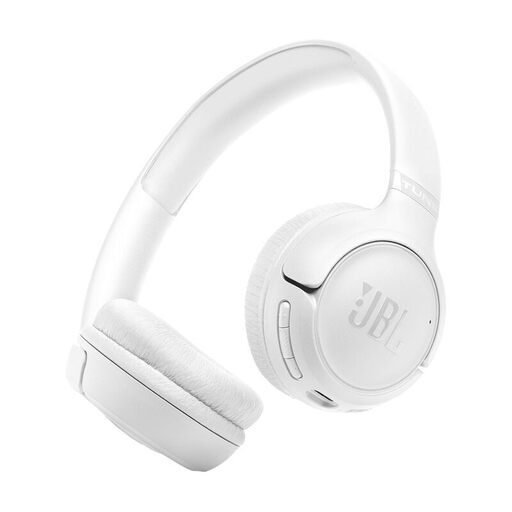
Why This Fits Their Persona: Ideal for users who need a reliable companion for long days. Whether travelling, commuting, or in the office, these headphones are designed for continuous use, putting an end to constant battery anxiety.
This model sidesteps the unrealistic battery life trap by offering an objectively massive runtime. The manufacturer claims up to 76 hours are possible, which allows for several days of use without recharging, even with heavy ANC usage.
Extremely long battery life of up to 76 hours. Quick-charge function (5 minutes for 5 hours of playback). Foldable, lightweight design for high portability.
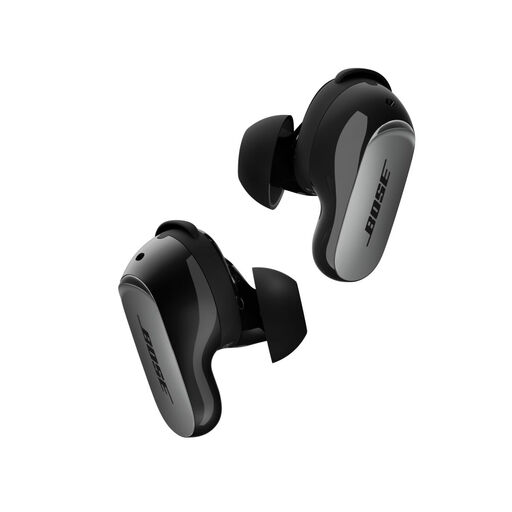
Why This Fits Their Persona: Perfect for users seeking an oasis of calm in noisy environments like public transport or open-plan offices. These in-ear headphones are engineered for maximum and intelligent noise cancellation.
These earbuds avoid the "noise cancellation" trap by employing advanced, measurable technology. The CustomTune technology analyses your unique ear shape to personalise the noise cancellation and sound—a world away from simple passive isolation.
Highly advanced active noise cancellation with various modes (Quiet, Aware, Immersion). Personalised sound via CustomTune technology. Secure and comfortable fit with nine fit combinations.
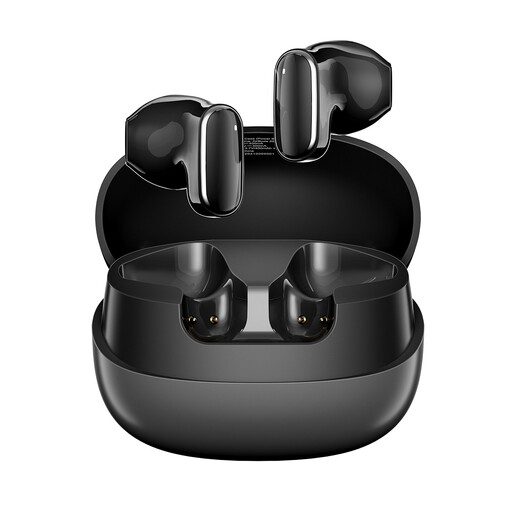
Why This Fits Their Persona: Designed for people who don't want to give up their music during sweaty workouts or runs in the rain. Durability and a secure fit are the top priorities here.
This model avoids the trap of vague water resistance claims by clearly specifying its IPX7 rating. This means the headphones are protected not just from sweat and splashes, but also from brief submersion, making it a clear and reliable feature.
High water resistance with an IPX7 rating. Long total playtime of up to 40 hours with the charging case. Ergonomic design for a secure fit during movement.
We've compiled a complete, up-to-date list of products that fully meet these strict selection criteria and safety standards.
1. How long do noise-cancelling Bluetooth headphones last? The lifespan depends on usage intensity and care. The battery is often the component with the most limited lifespan. With daily use, battery capacity can noticeably decline after 2-3 years. The mechanical durability (hinges, padding) varies greatly depending on the material and build quality. Regular cleaning and storing them in the provided case can extend their life.
2. Can I use noise-cancelling Bluetooth headphones for sports? Yes, but suitability depends on the model. Look for in-ear headphones with a secure fit (often achieved with ear hooks or special silicone wings) and an appropriate IP rating. IPX4 is the minimum, protecting against sweat and light rain. For more intense workouts or bad weather, waterproof headphones with an IPX7 rating or higher are a safer choice.
3. Does noise cancellation improve sound quality? Indirectly, yes. ANC doesn't alter the audio signal itself, but by reducing distracting ambient noise, it allows you to hear music more clearly and with greater detail at a lower volume. You no longer need to crank up the volume to drown out the noise, which not only improves the listening experience but also protects your hearing.