
Lieferung heute & morgen

Qualitätsgarantie

Willkommens-Angebote freischalten: KOSTENLOSE Lieferung | Bis zu 80 % RABATT | Kostenlose 30-Tage-JoyPlus-Testphase
App herunterladen
The search for the right noise-cancelling headphones can quickly become overwhelming. The market is flooded with models that all promise absolute silence and perfect sound. But often, bold marketing claims hide technical compromises that only become apparent after the purchase. As your Joybuy Product Recommendation Officer, I'm here to help you recognise these pitfalls and make an informed decision based on facts, not marketing hype.
Before we dive into the important features, let's address the three most common disappointments buyers experience. Understanding these points will protect you from a bad purchase.
To separate the wheat from the chaff, focus on three verifiable technical features. These are the key determinants of the quality and real-world usability of noise-cancelling Bluetooth headphones.
The quality of noise cancellation depends on the technology used. ANC headphones use microphones to analyse ambient noise and generate an anti-noise signal.
A reliable indicator of endurance is the manufacturer's stated runtime with ANC turned on. A good figure for all-day use is 20 hours or more. For heavy users, a fast-charging feature is also crucial. A spec like "5 hours of playback after 10 minutes of charging" is a practical advantage for life on the move.
Modern wireless headphones should do more than just play music.
Instead of creating a one-size-fits-all ranking, we have selected models that meet specific needs and cleverly avoid the pitfalls mentioned.
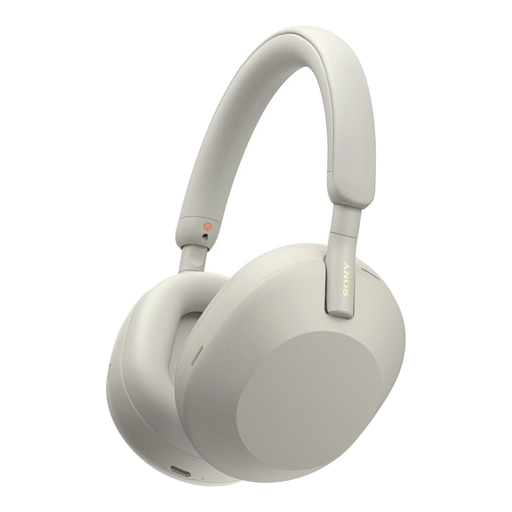
Why This Fits Their Persona: Ideal for blocking out engine noise on a plane or chatter on a train. The lightweight design and long battery life are built for long-haul travel and daily commutes. The multipoint connection makes it easy to switch between a work laptop and a personal smartphone.
Sidesteps the ANC trap with an Auto NC Optimiser that automatically adjusts noise cancellation based on the environment and the fit of the headphones. The stated battery life of up to 30 hours with ANC is a realistic figure for continuous use.
Precise, adaptive noise cancellation via multiple microphones; Multipoint connection for two devices simultaneously; Support for high-resolution audio via LDAC.
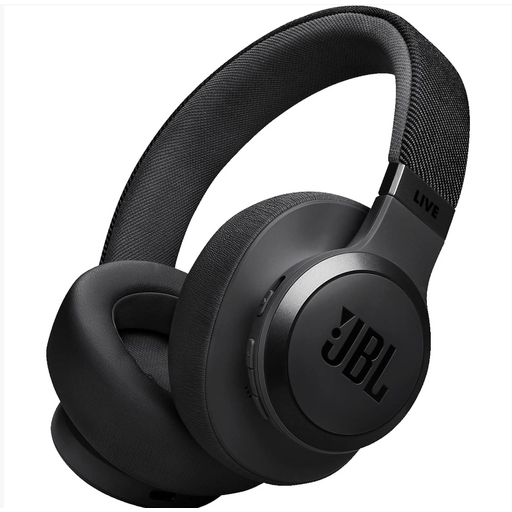
Why This Fits Their Persona: Designed for users who need to switch seamlessly between video conferences on a laptop and calls on a smartphone. The multipoint connection and very long battery life easily cover several intensive workdays.
Addresses the battery trap with a realistic claim of up to 50 hours of runtime with ANC activated. The multipoint connection is a core feature, preventing the frustration of manual device switching and bypassing the home office trap.
Very long battery life of up to 50 hours with ANC; Simultaneous connection to two Bluetooth devices (Multipoint); True Adaptive Noise Cancelling.
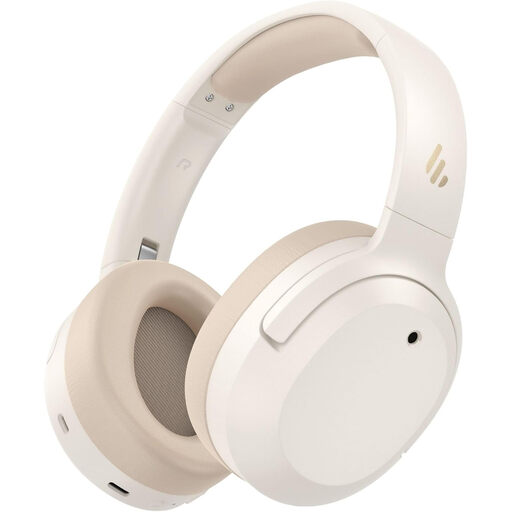
Why This Fits Their Persona: Offers features often found only in more expensive models, such as Hi-Res Audio via LDAC and strong ANC performance. An excellent choice for students or home users looking for outstanding value for money.
Refutes fantasy battery life claims with a realistic and above-average figure of up to 49 hours with ANC activated. Support for the LDAC codec ensures high audio quality and is more than just a marketing buzzword.
Support for high-resolution audio (LDAC); Exceptional battery life of up to 49 hours with ANC; Multipoint connection.
We have compiled a complete, up-to-date list of products that fully meet these strict selection criteria and UK safety regulations.
The mechanical lifespan of a well-maintained pair of headphones can be five years or more. The limiting factor is usually the built-in battery. It will retain its full capacity for about two to three years, or 500 to 800 charge cycles, before its performance noticeably declines.
No. Call quality depends critically on the number and orientation of the microphones, as well as the voice isolation software (often referred to as cVc or AI-based noise reduction). Models explicitly marketed for office use that feature multiple beamforming microphones generally offer significantly better performance.
Passive noise isolation is created by the physical seal of the headphones' design and materials (e.g., thick, enclosing earcups). It is most effective against high-frequency sounds. Active Noise Cancellation (ANC) is an electronic system that uses microphones and speakers to create an "anti-noise" wave to actively cancel out ambient sounds. ANC is particularly effective against low, constant noises.