
Lieferung heute & morgen

Qualitätsgarantie

Willkommens-Angebote freischalten: KOSTENLOSE Lieferung | Bis zu 80 % RABATT | Kostenlose 30-Tage-JoyPlus-Testphase
App herunterladen
The search for the right noise-cancelling headphones can quickly become overwhelming. Manufacturers promise an oasis of calm, but not every model lives up to the marketing hype. Many users invest in a device only to find it's unsuitable for their needs—whether for travel, in an open-plan office, or during their daily commute. This guide will help you identify the critical features and sidestep common marketing traps.
Before you make a decision, you should be aware of three common problems that often only become apparent after the purchase:
To avoid a bad purchase, focus on these three objective criteria. They are the primary determinants of a headphone's performance and value.
Active Noise Cancellation (ANC) works by generating "anti-noise" to neutralise ambient sound. However, there are differences:
A good ANC headphone combines effective active cancellation with solid passive isolation from well-sealed ear pads.
For mobile users, battery endurance is a key criterion. Pay attention to two metrics:
The sound quality of a Bluetooth headphone depends not only on its drivers but also on the supported transmission standard (codec).
Instead of making a one-size-fits-all recommendation, we have selected models that meet specific needs and successfully avoid the pitfalls mentioned.
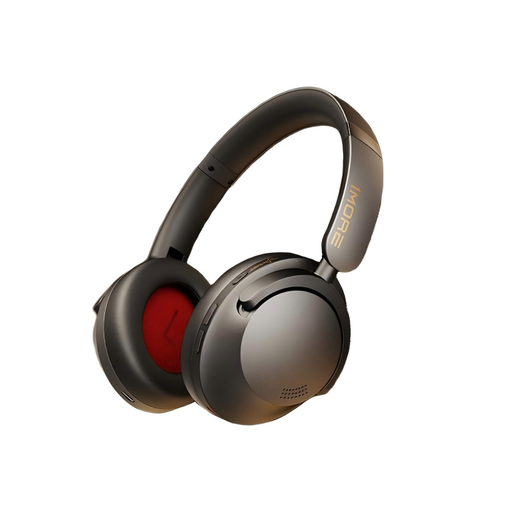
Why This Fits Their Persona: Ideal for long journeys or multi-day business trips without constant access to a power outlet. The lightweight design and soft ear pads are engineered for hours of comfortable wear.
With up to 65 hours of battery life with ANC enabled, this model sidesteps the trap of insufficient runtime. The soft protein leather ear pads and low weight prevent the problem of poor long-term comfort.
Support for LDAC for Hi-Res Audio playback. The QuietMax technology targets a wide frequency range, which enhances overall ANC performance.

Why This Fits Their Persona: For users who want solid ANC performance for their daily commute or focused study sessions without needing a premium budget.
This model avoids the trap of exaggerated claims by offering adaptive noise cancellation that focuses on mid and high frequencies—reducing noise by up to 98% according to the manufacturer. This is a concrete figure that goes beyond vague marketing statements.
A 40-hour battery life with ANC is remarkable in this price category. The 8° rotating ear cups ensure a better fit and prevent pressure points.
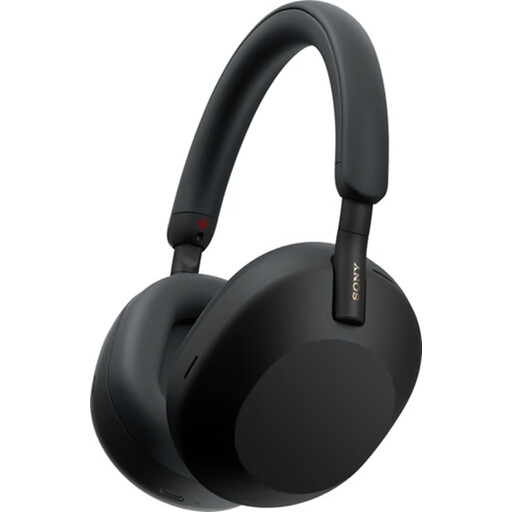
Why This Fits Their Persona: Perfect for professionals who need to switch seamlessly between laptop meetings and smartphone calls, requiring clear voice quality and effective isolation from office noise.
This model directly addresses the pitfall of poor microphone quality. According to Sony, its "Precise Voice Pickup Technology" uses four beamforming microphones and AI-based noise reduction to ensure clear voice transmission even in loud environments.
Multipoint connection allows pairing with two devices simultaneously. The headphones switch automatically, for instance, from music on your laptop to a call on your smartphone.
We have compiled a complete, up-to-date list of products that fully meet these strict selection criteria and German safety regulations.
1. How long does the battery on noise-cancelling headphones really last? The actual battery life depends heavily on usage. Manufacturer specifications are often based on medium volume. At high volume with ANC constantly active, the runtime can be 10–20% lower. Models with a stated runtime of over 30 hours (with ANC) are a safe bet for intensive use over several days.
2. Can I use noise-cancelling headphones for phone calls in the office? Yes, but the quality varies greatly. Look for models that explicitly advertise multiple microphones and technologies for ambient noise suppression for calls (e.g., beamforming or AI algorithms). A single microphone without special filtering is usually insufficient for a noisy open-plan office.
3. What is the difference between over-ear and in-ear ANC headphones?Over-ear headphones enclose the entire ear, providing good passive noise isolation that supports the ANC effect. They are often more comfortable for long periods of wear. In-ear models (like the Apple AirPods Pro) are more compact and discreet, ideal for sports and on-the-go use. Their ANC performance depends heavily on a perfect fit in the ear canal, which is why multiple ear tip sizes are usually included.