
Lieferung heute & morgen

Qualitätsgarantie

Willkommens-Angebote freischalten: KOSTENLOSE Lieferung | Bis zu 80 % RABATT | Kostenlose 30-Tage-JoyPlus-Testphase
App herunterladen
The ability to effectively reduce ambient sound is the core performance feature of noise-cancelling headphones. This technology, also known as Active Noise Cancellation (ANC), uses microphones to analyse environmental noise and generates an inverse sound wave to neutralise it. The result is a significantly quieter listening environment, which is particularly suitable for commuters, travellers, and individuals in noisy office settings. This article analyses the technical criteria for selecting a suitable model and presents a selection of products with different areas of focus.
Selecting the right model is based on a balance of technical specifications. The following parameters are relevant for making an informed decision.
The effectiveness of the noise cancellation is the primary criterion. Modern ANC headphones often use adaptive systems that adjust to the surrounding environment in real-time. They are particularly effective at reducing low-frequency, constant noises such as aircraft engines or the rattle of a train. A transparency mode, which selectively allows ambient sounds in when needed, enhances everyday usability and safety in traffic.
Sound quality is determined by the built-in drivers, acoustic tuning, and supported Bluetooth codecs. Drivers with a 40 mm diameter are a common standard in over-ear headphones for achieving a wide frequency spectrum. For high-resolution audio transmission, codecs like LDAC or aptX HD are relevant, as they enable a higher bitrate than the standard SBC codec. This is especially important for users of Hi-Res audio sources.
Headphones with long battery life are essential for on-the-go use. Runtimes between 20 and 40 hours with ANC activated are considered solid. Some models offer over 50 hours of playback without ANC. A fast-charging feature, which provides several hours of playback after just a few minutes of charging, is a convenient feature for daily use. The charging standard is increasingly USB-C.
As over-ear Bluetooth headphones, the earcups completely enclose the ear, which provides a degree of passive noise isolation. The weight, the clamping force of the headband, and the earpad materials (e.g., memory foam, protein leather) are crucial for long-term wearing comfort. A foldable or swivelling design makes them easier to transport, turning the headphones into ideal headphones for travel.
Modern headphones use standards like Bluetooth 5.3 for a stable and energy-efficient connection. Multipoint connectivity allows for a simultaneous connection to two devices, such as a laptop and a smartphone. An integrated microphone is standard, but the quality for phone calls and video conferences varies. An over-ear headphone with a microphone that features technology to suppress background noise during calls offers a clear added value.
The following selection includes models that stand out for their specific technical features and use cases.
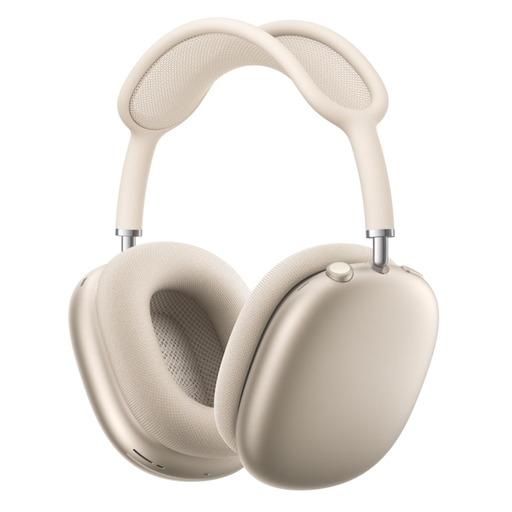
Why we recommend this product The Apple AirPods Max are designed for seamless integration into the Apple ecosystem. The combination of Apple-designed dynamic drivers and computational audio, powered by the H1 chip, aims for high-fidelity sound reproduction. The construction, featuring a knit-mesh canopy and memory foam ear cushions, is engineered for comfort and an effective acoustic seal.
Pros
Who it's for This model is primarily aimed at users who are deeply embedded in the Apple ecosystem and value a seamless user experience, premium materials, and advanced audio features like Spatial Audio.
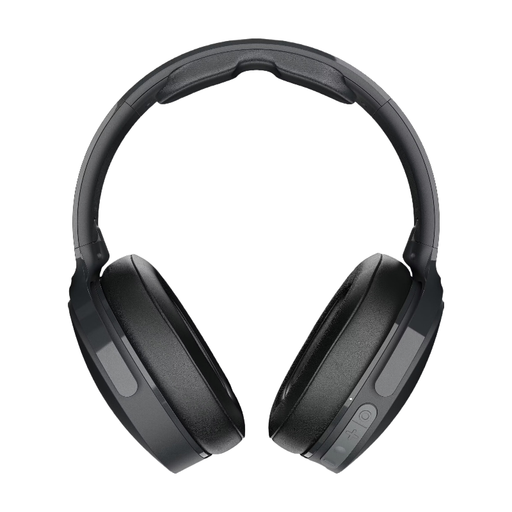
Why we recommend this product The Skullcandy Hesh Evo is positioned as a functional all-rounder with a focus on very long battery life and practical everyday features. With 36 hours of playback and a rapid charge function, it's a long-lasting companion. The integration of Tile finding technology is a useful additional feature.
Pros
Who it's for Users looking for a reliable over-ear headphone with a very long battery life and practical features like Tile finding technology. This model is suitable for daily use and for travel where endurance and durability are a priority.
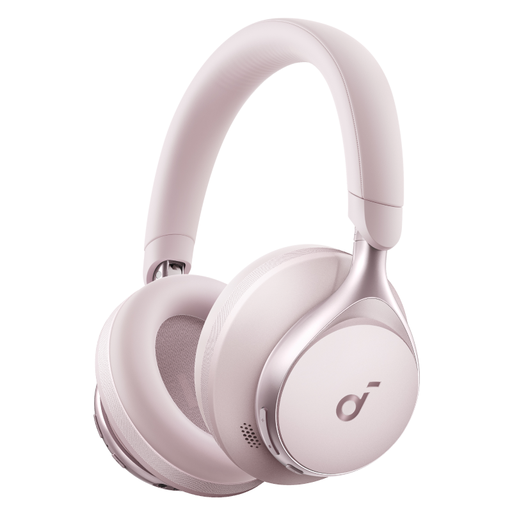
Why we recommend this product The Soundcore Space One focuses on strong noise cancellation and high-resolution audio transmission. According to the manufacturer, it achieves improved suppression of mid and high-frequency sounds compared to previous models. Support for the LDAC codec enables more detailed wireless audio playback from compatible sources.
Pros
Who it's for This model is designed for users whose priority is maximum noise isolation and high-resolution audio quality. The long battery life with ANC makes it a great choice for long journeys or for focused work in noisy environments.
The selection presented here represents specific use cases and technical specialisations. For a broader overview of different models and brands offering various combinations of price, design, and features, you can find more options in our main category.
Discover our entire range of Active Noise Cancelling Wireless Headphones here.
1. What is the difference between active and passive noise cancellation? Passive noise cancellation (or noise isolation) is achieved through the physical barrier of the headphones, especially with over-ear models that enclose the ear. Active Noise Cancellation (ANC) is an electronic technology that uses microphones and speakers to actively generate an inverse sound wave to neutralise ambient noise.
2. Can you use noise-cancelling headphones without music? Yes, the ANC function on most models can be activated independently of audio playback. This is useful for simply creating a quiet environment in noisy settings like aeroplanes or open-plan offices, without listening to music or other content.
3. How long should the battery of an ANC headphone last? A battery life of 20 to 30 hours with ANC turned on is considered a good standard for daily use. Some models, like the Soundcore Space One featured here, offer up to 40 hours with ANC, which is particularly advantageous for long journeys or multi-day use without recharging.