
Lieferung heute & morgen

Qualitätsgarantie
App herunterladen
Kategorien
The core function of noise-cancelling headphones is the ability to precisely reduce ambient sound. This technology, also known as Active Noise Cancellation (ANC), uses microphones to analyse external sound waves and generates a corresponding anti-noise signal to neutralise them. The result is a significantly quieter listening environment, ideal for commuters, office workers, and travellers. This article analyses the technical criteria for selecting a suitable model and presents a curated selection of devices.
The decision for a specific model should be based on an analysis of objective technical parameters. The following criteria are crucial for functionality and practical use.
The effectiveness of the noise cancellation is a primary selection criterion. Modern headphones often use hybrid ANC technology, which employs both outward-facing (feedforward) and inward-facing (feedback) microphones. This allows for more precise detection and cancellation of a broader frequency spectrum of ambient noise. Some models also offer adaptive noise cancellation, which automatically adjusts to the environment—for example, to pressure changes in an aircraft cabin or to wind noise outdoors.
For high-resolution audio transmission over Bluetooth, the supported codecs are significant. While the SBC codec is considered the baseline standard, more advanced codecs like AAC (primarily for Apple devices) or LDAC (developed by Sony) enable the transmission of audio data at a higher bitrate. This results in more detailed and clearer sound reproduction. Audiophiles should pay close attention to compatibility with high-resolution audio codecs.
For mobile use, battery life is a critical factor. Manufacturer specifications typically refer to usage with the ANC function activated. Runtimes of 20 to 40 hours are common for current over-ear models. A fast-charging feature, which provides several hours of playback after just a few minutes of charging, significantly enhances everyday flexibility. Charging is usually done via a standard USB-C port.
Over-ear Bluetooth headphones completely enclose the ear, contributing to noise isolation through their passive dampening. The weight of the headphones, the earcup materials (e.g., memory foam), and the adjustability of the headband determine long-term wearing comfort. A lightweight and foldable design is advantageous for transport, especially for travellers.
A stable Bluetooth connection is fundamental. Multipoint connectivity (also known as multipoint pairing) is a particularly useful feature for the modern workday. It allows the headphones to be connected to two devices simultaneously, such as a laptop and a smartphone. This enables seamless switching between a video call on the computer and an incoming call on the phone without having to manually change the connection.
Based on the aforementioned technical criteria, we present a selection of models that stand out for their specific features.
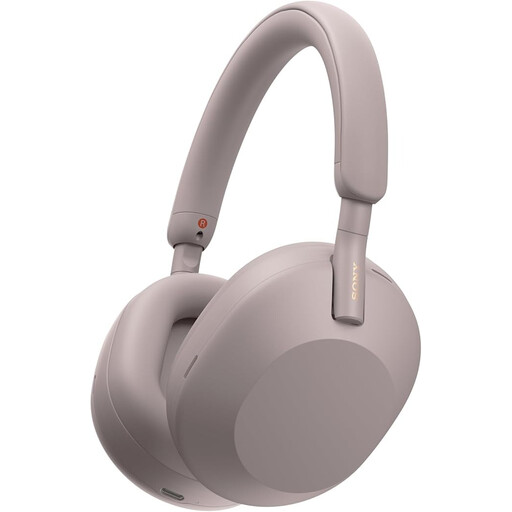
Why we recommend this product: The Sony WH-1000XM5 stands out with its advanced, adaptive noise cancellation. The integrated Auto NC Optimiser automatically adjusts ANC performance based on wearing conditions and the surrounding environment. Combined with support for the LDAC codec, this model delivers high-resolution audio for discerning listeners.
Advantages:
Best for: This model is ideal for frequent flyers, commuters, and home office users who prioritise precise, adaptive noise cancellation and detailed audio resolution.
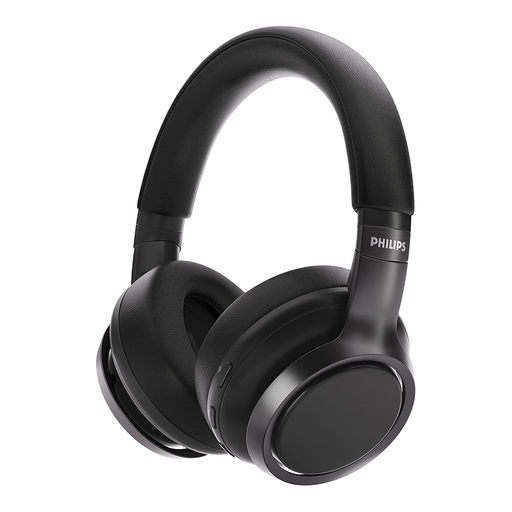
Why we recommend this product: The Philips TAH9505BK offers a solid combination of effective noise cancellation and practical everyday features. Its Advanced Active Noise Cancellation Pro technology reliably filters out ambient noise, while the 40mm drivers ensure a balanced sound. The foldable design and long battery life make it a convenient travel companion.
Advantages:
Best for: Users looking for a reliable all-rounder for daily use in the office, at home, or while travelling, who value straightforward operation and a comfortable design.
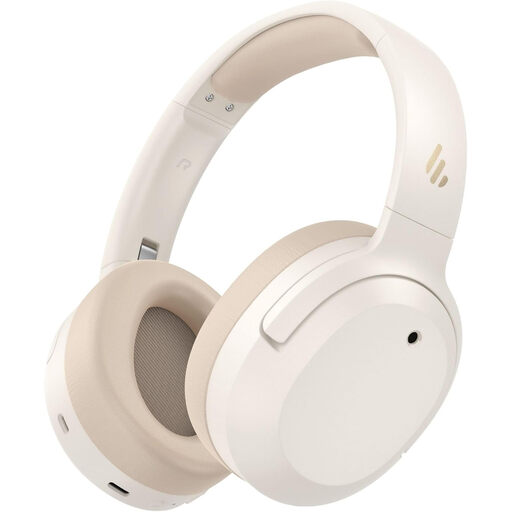
Why we recommend this product: The Edifier W820NB Plus stands out with its exceptionally long battery life of up to 49 hours with ANC enabled. Despite this, it offers modern features like High-Resolution Audio with LDAC support and multipoint connectivity. This positions it as a model with a strong balance of technical features and endurance.
Advantages:
Best for: This model is ideal for users for whom maximum battery life is the top priority. It also appeals to those seeking a comprehensive feature set, including Hi-Res Audio and multipoint connectivity, at an accessible price point.
The selection presented here represents only a fraction of the available technologies and designs. The market offers a multitude of devices with different focuses, whether on sound signature, design, or specific software features. You can find a broader overview of other models in our Wireless Over-Ear Headphones category.
Passive noise isolation is created by the physical barrier of the headphones, particularly with over-ear models that enclose the ear. It primarily dampens high frequencies. Active Noise Cancellation (ANC) is an electronic technology that uses microphones and anti-noise signals to specifically reduce low and mid-range frequencies, such as engine roar or air conditioning hum.
Battery life is a crucial factor for portability and mobile use. A long runtime of over 20 hours ensures that the headphones can be used on long-haul flights or across several workdays without needing to be recharged. A fast-charging feature provides additional peace of mind for spontaneous use.
Yes, on most models, the ANC function can be activated independently of audio playback. This is useful for creating a quiet environment for concentration or relaxation in noisy settings like an open-plan office or a train, without having to listen to music.