
Lieferung heute & morgen

Qualitätsgarantie

Willkommens-Angebote freischalten: KOSTENLOSE Lieferung | Bis zu 80 % RABATT | Kostenlose 30-Tage-JoyPlus-Testphase
App herunterladen
Finding the right pair of noise-cancelling headphones can quickly become overwhelming. Manufacturers advertise a host of features, but not all promises hold up in real-world use. Whether in a loud open-plan office, on the daily commute, or during a long-haul flight – the ability to effectively block out ambient noise is crucial for an undisturbed listening experience.
However, many buyers only realise after their purchase that their new device doesn't meet their expectations. To help you make an informed decision, we'll highlight the most common pitfalls and explain which technical specifications truly matter.
Marketing claims can be misleading. Pay attention to these three points to avoid falling into the most common traps:
To avoid a bad purchase, you should base your selection on objective technical data. These three parameters are decisive for performance and everyday usability.
Noise-cancelling headphones typically use active technology (ANC). In this process, external microphones capture ambient noise, and a processor generates a precise counter-signal that neutralises the interference.
The type of wireless connection significantly determines sound quality and stability.
For wireless headphones for travel and daily use, battery endurance is a key criterion.
Based on the criteria mentioned, we have compiled a selection of models suitable for different user groups and their specific requirements.
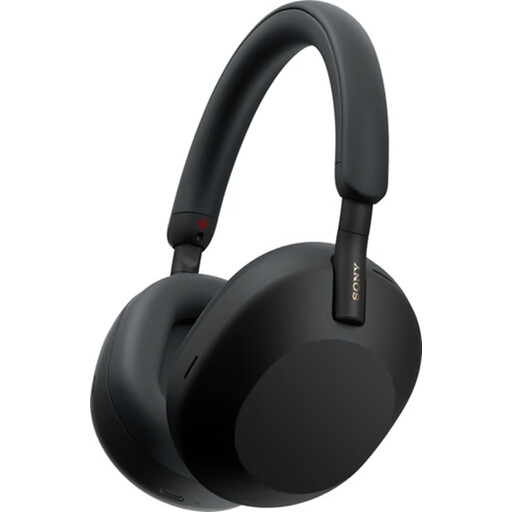
Why This Fits Their Persona: Ideal for commuters and travellers who need an undisturbed environment. The light weight and soft cushions ensure comfort even on long-haul flights, while the adaptive noise cancellation adjusts to changing noise levels.
The adaptive ANC, with eight microphones and two processors, filters a wide spectrum of frequencies, thus avoiding the pitfall of ineffective noise cancellation in complex environments.
Support for the LDAC codec for high-resolution audio; multipoint connection for two devices simultaneously; up to 30 hours of battery life with ANC.
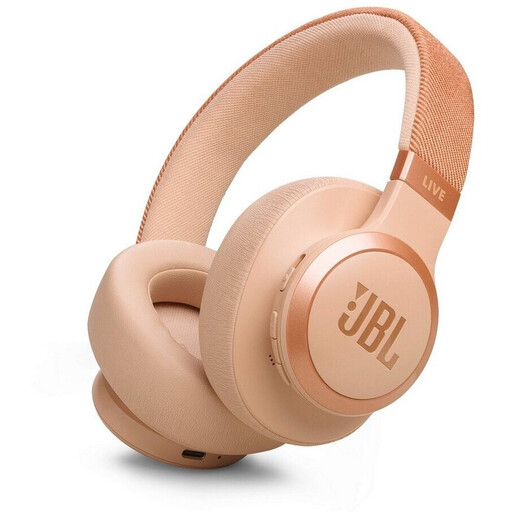
Why This Fits Their Persona: Designed for the hybrid workday. The multipoint connection allows for seamless switching between a laptop meeting and a smartphone call, while the comfort holds up for a full day of work.
The call technology is designed to clearly isolate the voice and minimise background noise, thereby avoiding the trap of poor microphone quality in an otherwise excellent pair of headphones.
True Adaptive Noise Cancelling with Smart Ambient technology; up to 50 hours of battery life with ANC; simultaneous connection with two Bluetooth devices.
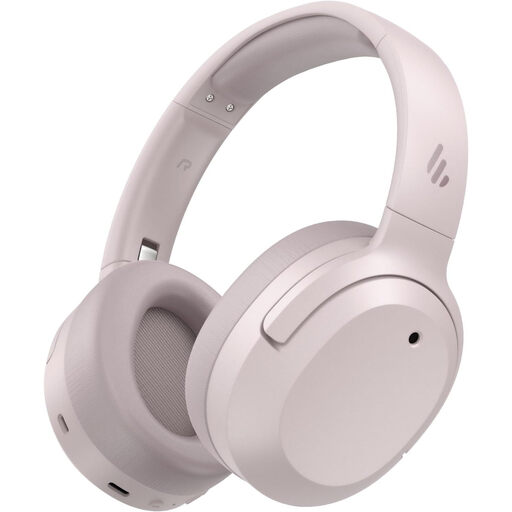
Why This Fits Their Persona: Offers a solid feature set for users seeking excellent value for money. With Hi-Res Audio certification and long battery life, it's a great choice for daily music enjoyment without the premium price tag.
Despite the accessible price, no compromises are made on comfort. The lightweight, foldable design and soft memory foam earcups prevent the pitfall of an uncomfortable fit during extended use.
Very long battery life of up to 49 hours with ANC; supports LDAC for high-resolution audio; multipoint connection and a dedicated low-latency gaming mode.
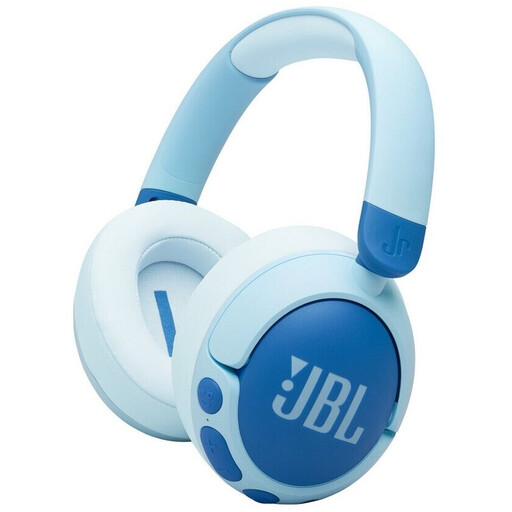
Why This Fits Their Persona: Specifically designed for children, with a focus on hearing protection and simple operation. The robust build and large controls are designed for kids' hands, ideal for travel or focused learning.
These kids' headphones with volume limiting address the biggest concern for parents: according to the manufacturer, the volume is limited to under 85 dB to protect children's sensitive hearing.
JBL Safe Sound (<85 dB); Active Noise Cancelling so the volume doesn't need to be turned up in noisy environments; ability to manage listening time via the JBL Headphones App.
We have compiled a complete, up-to-date list of products that fully meet these strict selection criteria and local safety regulations.
1. How long does the battery of a noise-cancelling headphone last with ANC active? Battery life varies by model and volume level. Most current over-ear Bluetooth headphones offer a runtime of between 20 and 40 hours with ANC enabled. Models with particularly long endurance can even exceed 50 hours, according to manufacturer specifications.
2. Can I use noise-cancelling headphones with a cable? Yes, most over-ear models come with a 3.5mm audio cable. This is useful when the battery is dead or if you want to connect to non-Bluetooth devices, such as an in-flight entertainment system. Typically, passive audio playback will work without battery power, but ANC and other digital features will not.
3. What is the difference between active and passive noise cancellation? Passive noise cancellation (or noise isolation) is achieved through the physical design of the headphones. Well-sealing earcups block a portion of ambient noise, especially in the high-frequency range. Active Noise Cancellation (ANC) is an electronic technology that uses microphones and an anti-noise signal to specifically cancel out low and mid-range frequencies (e.g., engine noise, air conditioning). Effective noise cancellation combines both methods.