
当日/次日达

品质保障

开启新人专享福利: 全场免邮 | 低至 2 折 | 免费试用 30 天 JoyPlus 会员
下载 Joybuy
The market for non-alcoholic beverages is constantly expanding, offering an impressive variety. But as the selection grows, so does the confusion. Many consumers invest in products that don't live up to their promises, whether in taste or ingredients. Before placing your next order, you should know the most common pitfalls to avoid disappointment and unnecessary expense.
A common problem is misleading labelling. A drink advertised as "sugar-free" can still have a high calorie count, often due to the use of sugar alcohols. Another critical detail is the alcohol content. In Germany, the term "alcohol-free" doesn't necessarily mean a product contains 0.0% alcohol. For individuals who must or want to abstain from alcohol completely, this distinction is crucial. Finally, flavour quality remains a challenge; many non-alcoholic alternatives taste overly sweet or artificial, failing to provide a satisfying drinking experience.
To make an informed decision, it's helpful to focus on a few core parameters instead of being swayed by marketing messages. These objective criteria will help you assess the quality and suitability of a drink for your needs.
The terms sugar-free drinks and low-calorie drinks are not always interchangeable. Pay close attention to the ingredients list to understand how a product is sweetened.
The distinction is clearly defined by law and is of great importance to many consumers.
The base of a beverage significantly defines its character. A non-alcoholic aperitif based on de-alcoholised wine and herbal extracts offers a more complex flavour profile than a simple sugar-free soft drink. A sugar-free drink syrup, in turn, provides flexibility in dosage and can be mixed with still or sparkling water, making it a cost-effective option for regular consumption.
Instead of making a blanket recommendation, we have identified products that address specific needs and use cases.
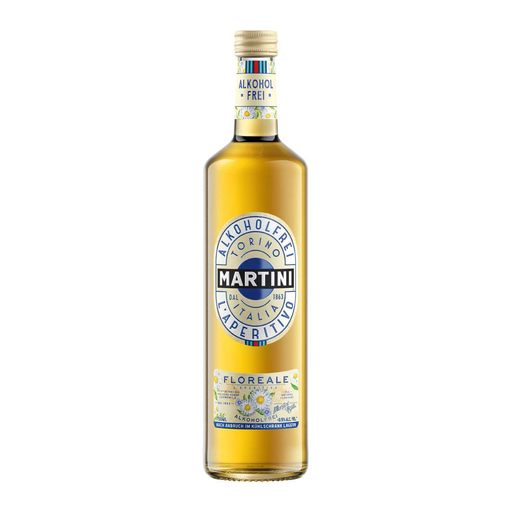
Why it's a great fit: Ideal for anyone seeking a sophisticated, adult alternative for the aperitivo moment. It works beautifully as a base for mocktails or served neat over ice, replacing a classic aperitif without compromising on taste.
It sidesteps the trap of bland flavour with a complex blend of de-alcoholised wine and botanicals like Roman chamomile. The result is a multi-layered, floral profile that goes far beyond a simple soft drink.
Delivers an authentic aperitif experience with less than 0.5% alcohol. The de-alcoholised wine base preserves its characteristic body.
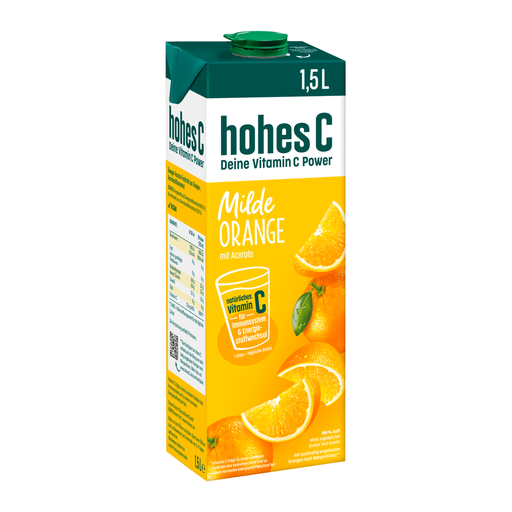
Why it's a great fit: A reliable choice for daily family life. This juice comes in a convenient bulk pack and offers a natural alternative to sugary sodas that is popular with all age groups.
This product is transparent: it is 100% juice with no added sugar. It doesn't fall into the 'sugar-free' category but offers natural fruit sweetness. The low-acid version is also gentler on the stomach.
One glass (250 ml) covers the daily requirement of Vitamin C. The bulk pack of 8 bottles ensures a long-lasting supply and excellent value for money.
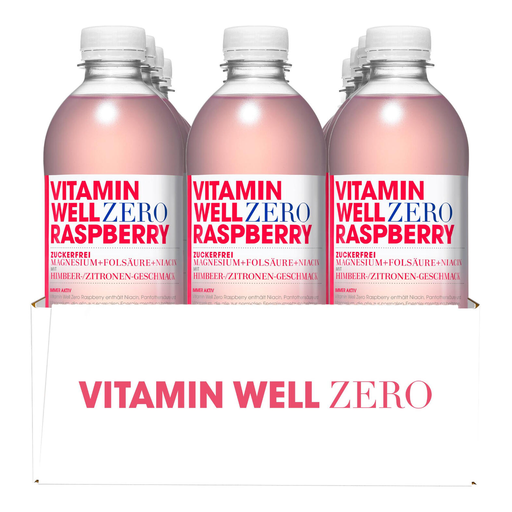
Why it's a great fit: Perfect for athletes and health-conscious individuals looking for functional, everyday refreshment. It provides hydration and vitamins without any sugar or calories.
This drink directly addresses the pitfall of hidden calories. It is a true zero-sugar drink with 0g of sugar and only 1 kcal per 100 ml, sweetened with sucralose and erythritol.
Enriched with a range of vitamins, including D3, E, Niacin, and B12, it supports the body beyond simple hydration.
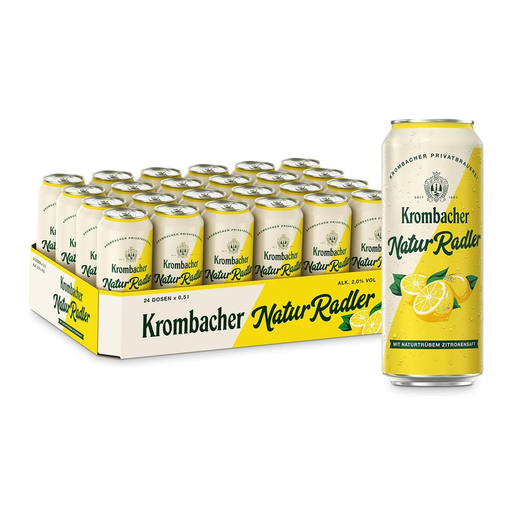
Why it's a great fit: For anyone who loves the taste of a Radler but wants to enjoy it anytime, without hesitation. It's the ideal refreshment after sports, at a barbecue, or for designated drivers.
This product resolves the ambiguity around residual alcohol. The 0.0% alcohol label guarantees that it is completely alcohol-free, making it suitable for everyone without restriction.
Combines the taste of non-alcoholic beer with lemon soda for an authentic, refreshing Radler experience. At 24 kcal per 100 ml, its calorie content is moderate.
We have compiled a complete, up-to-date list of products that fully meet these strict selection criteria and German regulations.
1. What is the exact difference between "alcohol-free" and "0.0% alcohol"? In Germany, beverages labelled as "alcohol-free" are legally permitted to contain up to 0.5 percent alcohol by volume (ABV). This is harmless for most adults. However, the "0.0% alcohol" or "no alcohol" label guarantees that there is no measurable alcohol in the product. This option is the safest choice for pregnant women, children, and individuals who strictly avoid alcohol.
2. Are sugar-free drinks always low-calorie? Not necessarily. While zero-sugar drinks sweetened with sweeteners like aspartame or sucralose are typically almost calorie-free, products with sugar alcohols (e.g., erythritol) can contain a small number of calories. Drinks labelled "no added sugar" can contain natural fruit sugars and therefore calories. A look at the nutritional information per 100 ml provides clarity.
3. How long do non-alcoholic aperitifs like Martini Floreale last after opening? After opening, de-alcoholised, wine-based aperitifs should be stored in the refrigerator. Manufacturers generally recommend consuming the product within a few days to ensure freshness and full flavour. Specific details can usually be found on the product's label.